28
No. of Vendors
29
No. of Products
13
Verified Products
CHECKOUT OUR LATEST ARTICLE

Angie Lacia
Hotel distribution optimization expertProducts (29)

Blastness - Rate Shopper + Parity Check
by Blastness Vendor verified
Cendyn Rate Match®
by CendynVendor verified
Amadeus RevenueStrategy360
by AmadeusVendor verified
D-EDGE - RateScreener
by D-EDGEVendor verified
Hotellistat Rateshopper
by Hotellistat GmbHVendor verifiedAI Powered

HotelRunner Competition Analysis
by HotelRunnerVendor verifiedAI Native

Lighthouse Pricing
by LighthouseVendor verified
RateIntel.io
by RateIntel.ioVendor verified.jpg)
Parity Watch Tower
by RateGain Partially verified
Rate Shopping Tools for hotels
Pricing a hotel room without knowing what comparable hotels are charging for the same night is like setting a menu price without knowing what competitors charge for the same dish. The absolute rate matters less than the relative rate, and the relative rate can only be known with regular, accurate competitive rate data. Hotels that price without this context consistently leave revenue on the table when they are below the market and lose bookings when they are above it.
Rate Shopping Tools give hotel revenue managers and commercial teams real-time visibility into competitor rates across OTA platforms, GDS, and direct channels. Modern platforms have evolved from manual rate checking into automated monitoring systems that alert revenue managers to market changes, feed data directly into revenue management system (RMS) platforms, and provide the competitive rate intelligence that pricing strategy requires.
What are Rate Shopping Tools for hotels?
Hotel
Rate Shopping Tools are technology platforms that automatically monitor and report
competitor room rates across OTA platforms, GDS, metasearch, and direct booking
channels. They collect rate data for a defined competitive set across future
dates, room types, and rate plans, presenting this data in dashboards and
alerts that enable revenue managers to make competitive positioning decisions
quickly and with current market information.
Core
functions include:
•
Automated competitor rate monitoring across OTA and direct
channels
•
Configurable competitive set management by market and room type
•
Rate parity monitoring across the hotel's own distribution
channels
•
Pricing alerts when competitor rates change significantly
•
Integration with revenue management system (RMS) and hotel
business intelligence tools
Why do Rate Shopping Tools matter for hotels?
Revenue
management without competitive rate context is incomplete. The revenue
management system (RMS) generates demand forecasts and pricing recommendations,
but whether those prices are competitive requires real-time data about what the
market is actually offering. Rate shopping tools provide this external context
that purely internal data systems cannot supply.
•
Competitive positioning cannot be assessed without competitor
data:
knowing whether the hotel is priced appropriately for its position in the
competitive set requires systematic competitor rate monitoring
•
Manual rate checking is too slow and incomplete for dynamic
markets:
checking competitor rates manually on OTA platforms is time-consuming,
inconsistent, and cannot scale to monitor the full competitive set across
future dates
•
Rate parity violations create contractual and commercial risk: monitoring the
hotel's own rates across distribution channels identifies parity violations
that manual oversight consistently misses
•
RMS optimization depends on competitive rate input: revenue management
system (RMS) platforms that receive competitor rate data generate more
market-aware pricing recommendations
What problems do Rate Shopping Tools help solve?
•
Unknown competitive positioning creating pricing errors: regular automated
competitor rate data reveals whether the hotel is priced appropriately relative
to its competitive set
•
Slow response to market rate changes: real-time alerts when
competitors change rates significantly enable faster pricing response than
manual monitoring allows
•
Rate parity violations undetected across channels: automated monitoring
of the hotel's own rates across OTA and direct channels identifies parity
inconsistencies before they create contractual issues
•
Revenue managers spending time on manual rate checking: automated rate
collection replaces the time revenue managers spend manually checking
competitor rates on individual OTA platforms
•
No historical rate trend data for strategic planning: rate shopping
platforms that retain historical competitor data provide the trend context that
seasonal rate strategy and budget planning require
What capabilities should hotels expect?
•
Automated rate collection from all major OTA platforms including
Booking.com and Expedia
•
Configurable competitive set with flexible date range and room
type monitoring
•
Rate parity monitoring across the hotel's own distribution
channels
•
Alert configuration for significant competitive rate movements
•
Integration with revenue management system (RMS) and hotel
business intelligence tools
How do Rate Shopping Tools fit into the hotel technology ecosystem?
•
Revenue management system (RMS): competitor rate data
from rate shopping tools feeds RMS pricing models for market-aware rate
recommendations
•
Hotel business intelligence tools: competitive rate data
integrates with internal performance data in BI platforms for combined market
positioning analysis
•
Market intelligence tools: rate shopping complements the broader
market performance benchmarking that market intelligence platforms provide
•
Channel manager: rate parity alerts from rate shopping tools
can inform channel manager rate adjustments to maintain consistency across
distribution
Which hotel types benefit most?
•
Hotels in competitive markets with multiple comparable
properties:
where competitive rate positioning significantly affects booking decisions and
rate monitoring provides continuous commercial value
•
Hotels using revenue management systems: where competitive
rate data input improves RMS pricing recommendations
•
Hotels with active rate management programs: where revenue
managers make frequent rate adjustments based on market conditions that require
current competitor data
•
Multi-property hotel groups: where portfolio-level competitive
monitoring across different markets provides commercial intelligence for group
revenue management
What should hotels evaluate before selecting a platform?
•
OTA and channel coverage breadth: the platform must
monitor all the booking channels through which the competitive set sells its
rooms
•
Competitive set configurability: the ability to define
different competitive sets by room type, market segment, and date range
determines analytical flexibility
•
Update frequency and data recency: rate data must be
refreshed frequently enough to support timely pricing decisions in fast-moving
markets
•
RMS integration capability: direct data feeds from rate shopping
tools into the revenue management system (RMS) maximize the commercial value of
competitive rate data
•
Rate parity monitoring quality: own-channel rate
parity detection must cover all distribution channels through which the hotel
sells rooms
What common mistakes should hotels avoid?
•
Monitoring too many competitors diluting focus: a tightly defined
competitive set of genuinely comparable hotels provides more actionable
intelligence than a broad list that includes non-comparable properties
•
Using rate data without a pricing response process: rate shopping tools
generate information that only creates commercial value when revenue managers
have a defined process for acting on competitive rate signals
•
Ignoring rate parity monitoring: focusing only on
competitor rates while missing the hotel's own parity violations creates
contractual risk and booking leakage to cheaper channels
•
No historical rate trend analysis: using rate shopping
data only for current day checking misses the seasonal and trend analysis that
strategic rate planning requires
How have Rate Shopping Tools evolved?
Hotel
rate shopping has evolved from manual OTA browsing and spreadsheet competitor
tracking into automated monitoring platforms. Early rate shopping involved
revenue managers checking competitor prices manually on individual booking
platforms, a process that was time-consuming and produced data that was already
partially out of date. Automated rate collection tools emerged from around
2010. By 2025, rate shopping platforms with real-time alerts, RMS integration,
and comprehensive parity monitoring had become standard commercial
infrastructure in professionally managed hotels.
What trends are shaping Rate Shopping Tools?
•
RMS integration deepening for automated pricing response: tighter connectivity
between rate shopping tools and revenue management system (RMS) platforms is
enabling faster automated pricing responses to competitive rate changes
•
Metasearch rate monitoring expanding coverage: Google Hotel Ads and
metasearch rate visibility is being incorporated alongside traditional OTA
monitoring
•
AI-powered competitive pricing analysis: machine learning is
identifying pricing patterns and competitive positioning insights from rate
data that manual analysis cannot extract
•
Total rate intelligence including packages and ancillaries: rate shopping is
expanding beyond base room rates into package pricing and ancillary rate
monitoring
What impact can Rate Shopping Tools deliver?
•
Improved competitive rate positioning through continuous market
monitoring
•
Faster pricing response to market changes through real-time
alerts
•
Rate parity compliance through systematic own-channel monitoring
•
Better RMS performance through competitive data input to pricing
models
What should hotels prioritize when comparing providers?
Hotels
evaluating Rate Shopping Tools should prioritize OTA and channel coverage
breadth, update frequency, RMS integration capability, and competitive set
configurability.
•
Channel coverage breadth: all relevant booking platforms for the
competitive set must be monitored
•
Data update frequency: recency determines the usefulness of
competitive data for timely decisions
•
RMS integration: direct data feeds to revenue management
system (RMS) platforms maximize commercial value
• Competitive set configurability: flexible configuration enables the market-relevant analysis that generic monitoring cannot provide
News (5)

What ChatGPT’s decision to move away from in-platform transactions means for hotels

AI is rewiring how people choose hotels
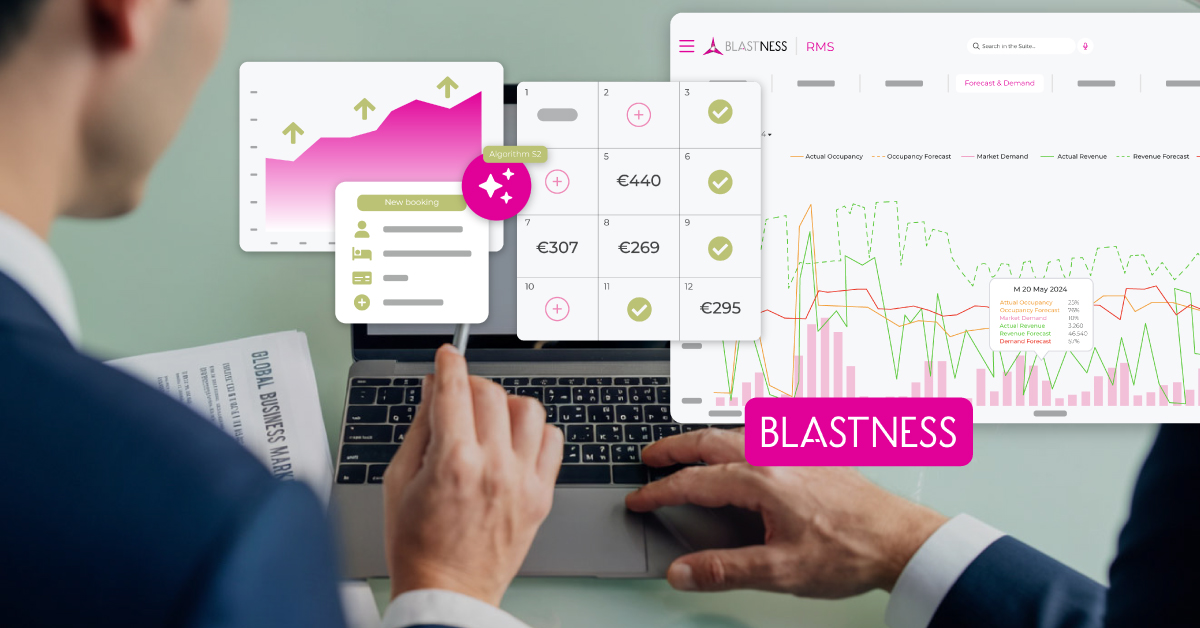
How to choose the right RMS for your property
How to choose the right RMS for your property

How hotels can navigate sudden shifts in global travel demand
Blogs (5)
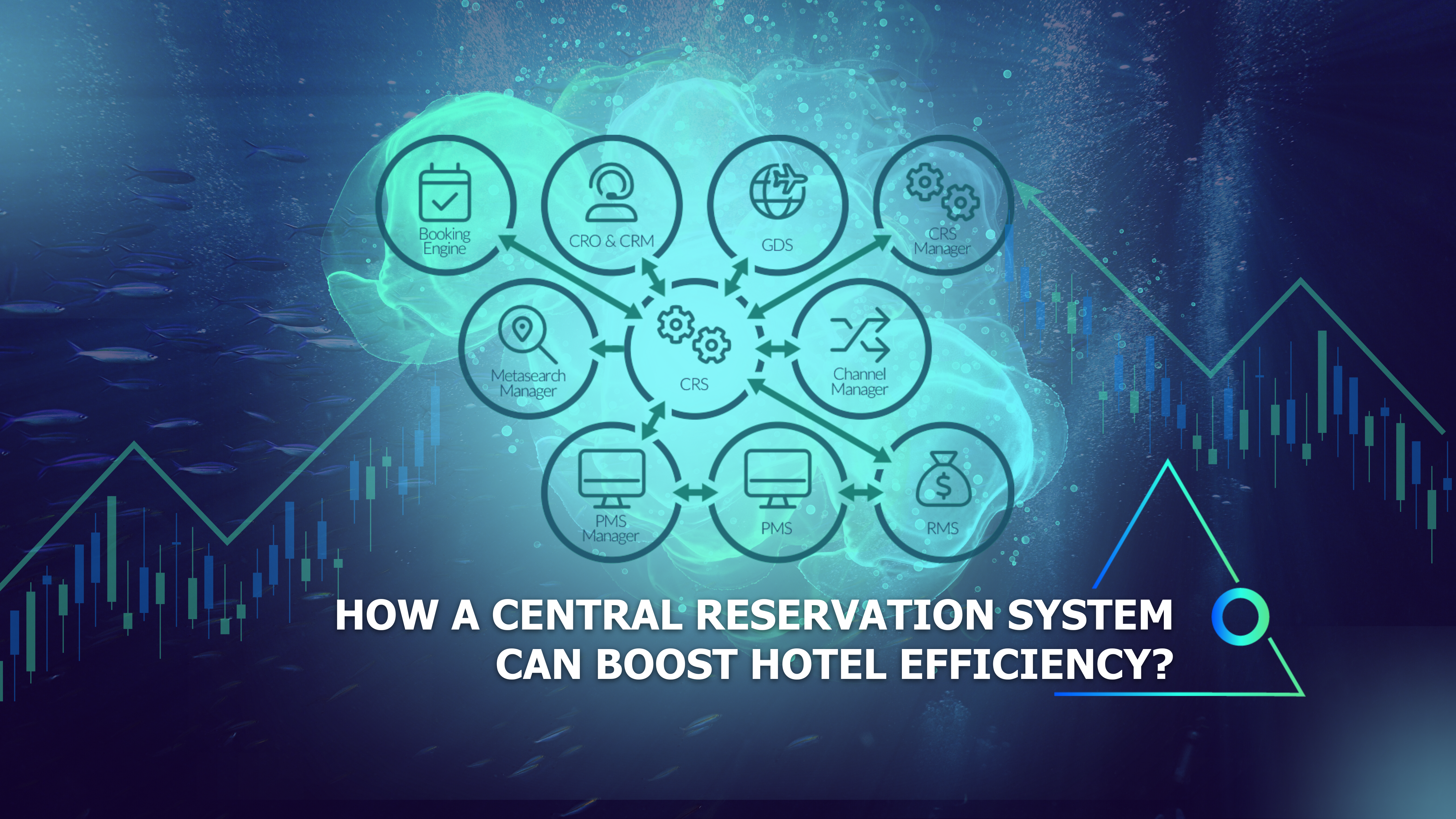
Boost Hotel Efficiency with a Central Reservation System (CRS)

Disruptive Trends & the Future of Hospitality

The Impact of Hotel CRM on Customer Loyalty

Choosing a Revenue Management System for Your Hotel

7 Ways Hospitality Technology Enhances Hotel Operations & Profitability