126
No. of Vendors
135
No. of Products
34
Verified Products
CHECKOUT OUR LATEST ARTICLE

Angie Lacia
Hotel distribution optimization expertProducts (135)
RMS Cloud
by RMS Vendor verified
WINHMS PMS
by Romeo Bravo SoftwareVendor verifiedWincloud Property management solution
by Romeo Bravo SoftwareVendor verified
Daylight PMS
by ShijiVendor verified
Stayntouch Hotel PMS
by StayntouchVendor verified
Versa PMS
by AgilysysVendor verifiedAI Native

bookingMaster hotel management software
by BookingMasterVendor verified
Eptera PMS
by EPTERAVendor verified-(1).jpg)
Hotelogix Multi-Property Management System
by HotelogixVendor verifiedProperty Management System (PMS) for Hotels
Every hotel runs on real-time decisions across departments, yet in many properties the systems meant to support those decisions are fragmented and disconnected, creating slower service, preventable errors, and missed opportunities.
Property Management Systems (PMS) address this by providing a centralized operational platform that connects reservations, front office, housekeeping, billing, and guest data in one environment. A well-implemented PMS reduces manual workload, improves departmental coordination, and gives hotel teams the real-time visibility they need to run operations confidently. Modern PMS platforms have evolved well beyond front desk software into connected operational hubs that sit at the center of the hospitality technology stack.
What is a Property Management System (PMS)?
A
Property
Management System (PMS) is a hospitality technology platform designed to manage
and coordinate the daily operational workflows of hotels, resorts, serviced
apartments, and other accommodation providers. Rather than managing
reservations, housekeeping, billing, and guest data through separate systems or
manual processes, a PMS brings these functions together in a single connected
operational environment.
Core
functions a PMS manages include:
•
Reservations and room inventory across direct and third-party
channels
•
Check-in, check-out, and front office workflows
•
Guest profiles including stay history, preferences, and loyalty
data
•
Housekeeping coordination and real-time room status
•
Billing, folio management, and financial reconciliation
•
Operational reporting and performance visibility
Why does a PMS matter for hotels?
Hotel
operations depend on accurate, real-time information flowing between
departments. When that information is delayed, inconsistent, or manually
transferred between systems, the consequences show up directly in guest
experience, staff productivity, and operational accuracy. A PMS is the system
that keeps operational information synchronized across the property and ensures
that the right people have the right data at the right time.
Key
reasons a PMS matters for hotels:
•
Operational coordination requires real-time data: departments cannot
work effectively when reservation, housekeeping, and billing information is out
of sync
•
Manual processes create preventable errors: check-in delays,
billing mistakes, and housekeeping miscommunications often trace back to
disconnected workflows
•
Guest experience depends on operational visibility: faster check-ins,
accurate folios, and personalized service all require centralized guest data
that a PMS makes accessible
•
Technology integration starts with the PMS: revenue management,
distribution, payments, and guest engagement systems all depend on PMS data to
function effectively
•
Reporting and decision-making require clean operational data: occupancy trends,
financial performance, and operational efficiency metrics all flow from a
well-structured PMS
•
Scalability demands centralized operational infrastructure: hotel groups managing
multiple properties cannot maintain consistency and visibility without a PMS
that supports centralized oversight
What problems does a PMS help hotels solve?
The
problems a PMS addresses are largely operational in nature, but their
consequences reach into commercial performance, guest satisfaction, and
technology connectivity. Hotels that underinvest in PMS infrastructure often
find that operational inefficiencies create compounding costs across the entire
organization.
Common
problems a PMS addresses:
•
Disconnected departmental workflows: reservations,
housekeeping, and billing operating in silos create coordination gaps that
affect both staff efficiency and guest experience
•
Manual check-in and check-out processes: paper-based or
disconnected front office workflows slow service delivery and increase the risk
of errors
•
Incomplete or inaccessible guest data: without a centralized
guest profile, personalization and service consistency are difficult to deliver
at scale
•
Billing and reconciliation errors: manual folio
management increases the risk of posting errors, missed charges, and financial
discrepancies
•
Limited operational reporting visibility: without structured
PMS data, understanding occupancy trends, housekeeping performance, and
financial activity requires significant manual effort
•
Integration gaps across the technology stack: a PMS with weak API
connectivity limits the hotel's ability to connect revenue management,
distribution, and guest engagement systems effectively
What capabilities should hotels expect from modern PMS platforms?
Modern
PMS platforms have evolved significantly beyond traditional front desk
functionality. The most capable solutions now support cloud-based operations,
mobile accessibility, automation workflows, multi-property management, and deep
integration across the wider hospitality technology stack. Hotels should
evaluate platforms not just on core operational features, but on their
architecture, integration quality, and long-term scalability.
Core
capabilities to evaluate include:
•
Reservation and booking management across direct, OTA, and group
channels
•
Front office operations including check-in, check-out, and room
assignment
•
Guest profile management with stay history, preferences, and
loyalty data
•
Housekeeping and room status coordination in real time
•
Billing, folio management, and financial reconciliation
•
Multi-property and enterprise management with centralized
oversight
•
Mobile and cloud accessibility for operational teams across the
property
•
Integration with Revenue Management Systems (RMS), Customer
Relationship Management (CRM) platforms, Channel Managers, Central Reservation
Systems (CRS), payment gateways, and Business Intelligence (BI) tools
How does a PMS fit into the hotel technology ecosystem?
The
PMS sits at the operational center of the hotel technology stack. It is the
primary source of reservation, occupancy, guest, and financial data that other
systems depend on to function effectively. A revenue management system needs
PMS occupancy data to generate pricing recommendations. A CRM needs PMS guest
profiles to support personalization. A BI platform needs PMS operational data
to build meaningful performance reports. The quality of the PMS and its
integration architecture directly influences the performance of every connected
system.
Common
integrations include:
•
Revenue Management Systems (RMS): use PMS occupancy and
booking data to support pricing optimization and demand forecasting
•
CRM platforms: pull PMS guest profiles to enable
segmentation, personalization, loyalty management, and marketing workflows
•
Channel Managers and CRS: synchronize rates, availability, and
reservations across distribution channels
•
Payment gateways and POS systems: connect guest folios,
dining transactions, and financial workflows
•
Guest messaging platforms: support automated communication
throughout the guest journey using PMS reservation data
•
Business Intelligence (BI) systems: use PMS operational
data to enable advanced reporting, forecasting, and performance visibility
•
Digital check-in and smart room systems: support mobile
access, digital keys, and connected guest experiences
Which hotel types benefit most from a PMS?
Property
Management Systems are used across virtually every accommodation segment. The
core need for centralized operational management is universal, though the
complexity, scale, and integration requirements of the right PMS vary
significantly depending on the property type and operational model.
•
Independent hotels: benefit from operational efficiency, reduced
manual workload, and improved guest data management without needing large
operational teams
•
Boutique properties: gain the guest personalization and service
consistency that centralized guest profiles and connected workflows enable
•
Branded hotel groups: require standardized operational frameworks,
centralized governance, and consistent performance visibility across multiple
properties
•
Multi-property and enterprise operators: depend on
portfolio-wide oversight, centralized reporting, and scalable operational
infrastructure
•
Resorts and extended-stay properties: benefit from PMS
capabilities that support complex billing structures, longer guest stays, and
multi-outlet operational coordination
•
Serviced apartments and hostels: require flexible PMS
configurations that support different room types, billing models, and
operational workflows
Typical
users include front office teams, housekeeping managers, revenue managers,
finance departments, and hotel leadership responsible for daily operational
performance.
What should hotels evaluate before selecting a PMS?
Selecting
a PMS is one of the most significant technology decisions a hotel makes. It
affects daily operations, guest experience, integration capability, and
long-term technology strategy simultaneously. Hotels should evaluate platforms
not just on feature depth, but on operational fit, integration architecture,
and the vendor's ability to support a successful deployment and ongoing
relationship.
Key
evaluation areas:
•
Integration depth and API quality: the PMS must connect
reliably with RMS, CRM, CRS, payments, and other core systems in the hotel's
technology environment
•
Cloud architecture and scalability: cloud-native
platforms offer greater flexibility, remote accessibility, faster updates, and
stronger long-term scalability
•
Operational fit: the platform should align with the actual
complexity of the property or group, not simply check the most feature boxes
•
User experience and adoption: front office and
operational teams use the PMS every day, making usability and workflow clarity
critical for productivity
•
Multi-property and governance capabilities: hotel groups need
centralized controls, standardized reporting, and portfolio-wide operational
visibility
•
Reporting and data accessibility: structured access to
operational and commercial data is increasingly important for decision-making
and technology connectivity
•
Implementation and migration support: PMS migrations are
operationally complex and require strong vendor support, training, and change
management
What common mistakes or challenges should hotels avoid?
PMS
decisions that go wrong typically share common patterns: underestimating
migration complexity, prioritizing features over operational fit, or selecting
a platform without fully assessing its integration architecture. Given how
central the PMS is to hotel operations, the consequences of a poor selection or
a poorly managed deployment are felt across the entire organization.
Common
pitfalls to avoid:
•
Underestimating migration complexity: moving from one PMS
to another involves operational disruption, retraining, historical data
migration, and integration reconfiguration that requires careful planning
•
Prioritizing features over operational fit: a PMS with impressive
functionality that does not match the hotel's operational structure will create
more friction than it resolves
•
Overlooking integration quality: a PMS with weak API
connectivity limits the hotel's ability to build an effective technology
ecosystem around it
•
Underestimating total implementation costs: customization,
onboarding, integration work, and training costs are frequently underestimated
during the evaluation process
•
Selecting for current needs only: PMS platforms should
be evaluated against future operational and technology requirements, not just
current workflows
•
Vendor lock-in risks: hotels should assess contract flexibility,
data portability, and long-term adaptability before committing to a platform
How has the PMS category evolved?
The
PMS category has undergone a fundamental shift over the past decade. What was
once a largely closed, on-premise system managing front desk operations has
evolved into a cloud-native, API-connected operational platform that sits at
the center of a much broader technology ecosystem. The expectations placed on a
modern PMS extend well beyond what earlier generations of the technology were
designed to deliver.
Key
shifts in how the category has evolved:
•
On-premise systems are being replaced by cloud-native platforms
that offer greater flexibility, scalability, and faster product development
cycles
•
API connectivity has become a primary evaluation criterion as
hotels build more connected and specialized technology stacks
•
Mobile-first operations have changed how front office,
housekeeping, and management teams interact with the PMS
•
The PMS has shifted from a standalone system to the operational
hub connecting revenue management, distribution, guest engagement, and
commercial intelligence tools
•
Multi-property and enterprise management capabilities have
become standard requirements for hotel groups evaluating PMS platforms
•
AI-supported workflows are beginning to influence forecasting,
operational recommendations, and automated guest communication within PMS
environments
What trends are shaping the future of PMS platforms?
The
PMS category continues to evolve as hotels place greater emphasis on
operational flexibility, technology connectivity, and data-driven workflows.
Several trends are reshaping how hospitality organizations think about and
invest in property management infrastructure.
•
Cloud-first and mobile-first architecture: the industry
continues shifting away from legacy on-premise systems toward cloud-native
platforms that support operational mobility and remote access
•
Composable hospitality technology stacks: hotels increasingly
prefer modular ecosystems where the PMS connects with specialized systems
through APIs rather than operating as an all-in-one platform
•
AI-supported operational workflows: AI is beginning to
influence forecasting, housekeeping optimization, automated communication, and
operational recommendations within PMS environments
•
Deeper integration ecosystems: PMS platforms are
being evaluated increasingly on how effectively they connect with revenue
management, distribution, guest engagement, and commercial intelligence tools
•
Self-service and contactless guest journeys: digital check-in,
mobile keys, and automated communication are becoming standard expectations
that modern PMS platforms must support
•
Enterprise governance and centralized visibility: hotel groups are
placing greater emphasis on standardized operational frameworks and
portfolio-wide reporting as part of PMS evaluation
What operational or commercial impact can a PMS deliver?
A
well-implemented PMS improves operational efficiency, guest experience quality,
and commercial performance simultaneously. Because the PMS is the operational
foundation that other systems depend on, its impact extends across the entire
technology ecosystem. Hotels that invest in the right PMS and implement it
effectively typically see improvements that reach well beyond front desk
operations.
Potential
impacts include:
•
Faster, more accurate front office operations through automated
check-in, check-out, and room assignment workflows
•
Improved guest experience through centralized guest profiles
that support personalization and service consistency
•
Reduced billing errors and faster financial reconciliation
through automated folio management
•
Better departmental coordination through real-time housekeeping,
maintenance, and operational status visibility
•
Stronger commercial performance through clean operational data
that supports revenue management and forecasting
•
Greater technology ecosystem effectiveness as connected systems
perform better with reliable PMS data at their foundation
What should hotels prioritize when comparing PMS providers?
Hotels
evaluating Property Management Systems should look beyond feature comparisons
and assess how effectively a platform supports operational fit, integration
flexibility, and long-term technology strategy. The right PMS should reduce
operational complexity, improve coordination across departments, and provide
the data foundation that connected hospitality technology systems depend on.
Key
priorities when comparing providers:
•
Integration depth and API reliability: the PMS must connect
cleanly with the hotel's existing and planned technology systems
•
Cloud architecture and scalability: cloud-native
platforms provide stronger long-term flexibility, update cycles, and remote
operational support
•
Operational fit for property type and complexity: the platform should
match the hotel's actual operational structure and scale, not just its feature
wishlist
•
Usability across operational teams: front office,
housekeeping, and management teams all interact with the PMS daily, making
workflow clarity and ease of use essential
•
Migration and implementation support: PMS transitions are
operationally complex and require experienced vendor support to manage
effectively
•
Multi-property and enterprise capabilities: hotel groups should
assess centralized governance, standardized reporting, and portfolio-wide
operational visibility
•
Long-term vendor roadmap and stability: the PMS is a
foundational technology investment, making vendor reliability and product
development direction important evaluation factors
Start your comparison on ExploreTECH
News (5)

Explorar Hotels & Resorts unveils guest experience with Shiji’s Daylight PMS
.png)
RBS acquires Zeko to accelerate AI innovation across hospitality
Grand Continent Hotels Ltd. upgrades to Hotelogix cloud to centralise group operations

Mews is named official PMS of AAHOA: a partnership built for modern hotel ownership
.png)
From PMS to operating system: Mews OS and the next era of hospitality tech
Blogs (5)
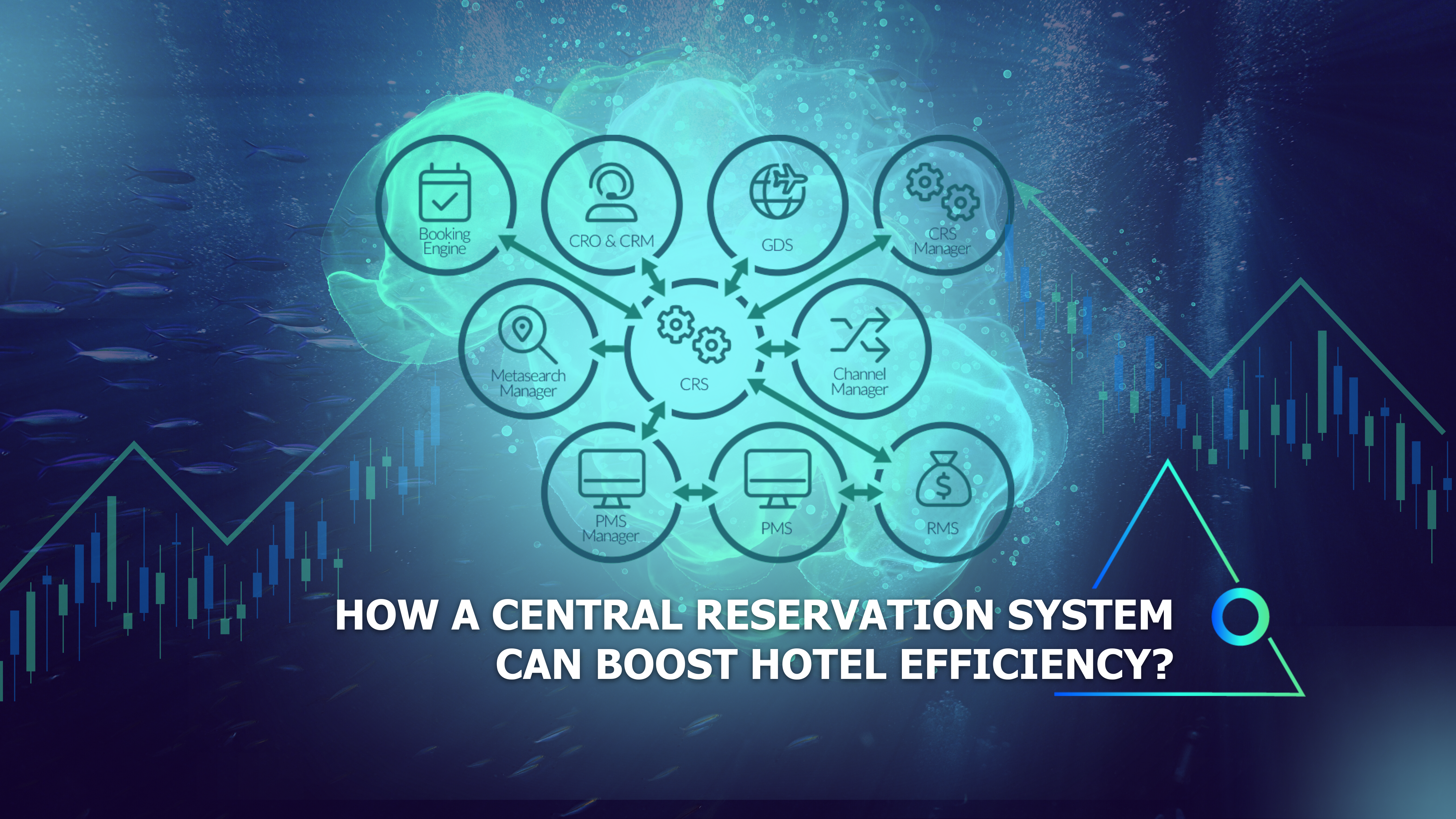
Boost Hotel Efficiency with a Central Reservation System (CRS)

Disruptive Trends & the Future of Hospitality

The Impact of Hotel CRM on Customer Loyalty
Choosing a Revenue Management System for Your Hotel

7 Ways Hospitality Technology Enhances Hotel Operations & Profitability