12
No. of Vendors
12
No. of Products
2
Verified Products

Carlos Abou-Diwan
Technology systems design & implementationProducts (12)

WooHoo X Series (JBL by HARMAN)
by Smartbeings Vendor verified
Angie by Nomadix®
by Nomadix Partially verified
Aiello Voice Assistant (AVA)
by Aiello Unverified
Crave In Room Tablets
by Crave InteractiveUnverified
Hotel Genie
by Hotel GenieUnverified
Huawei Agile POL solution
by HuaweiUnverified
intertouch Assistant
by InterTouchUnverified
Alexa Smart Properties by Navoo
by NAVOOUnverified
NevoAssist
by NevotekUnverifiedSmart Assistance Devices for Hotels
The concept of a smart hotel room has moved from a futuristic aspiration to a practical reality across a growing number of properties. At the center of many connected room strategies sits a smart assistance device, a physical hub that gives guests intuitive access to room controls, hotel services, and information through touch, voice, or app-based interaction.
Smart Assistance Devices for hotels are purpose-built in-room technology hubs that consolidate room control, guest service requests, hotel information, and entertainment management into a single accessible interface. Emerging as a distinct category in hospitality from around 2018 onwards and accelerating significantly through 2022 to 2025, these devices sit at the intersection of guest experience, operational efficiency, and connected room strategy.
What are Smart Assistance Devices for hotels?
Smart
Assistance Devices are dedicated in-room technology hubs designed specifically for
hotel environments. Unlike consumer smart speakers adapted for hotel use,
purpose-built hospitality smart assistance devices combine touch-screen
interfaces, voice interaction, room control capabilities, and hotel service
integration within a single managed platform that is designed with hotel
privacy, operational workflows, and brand requirements in mind.
Core
functions include:
•
Room environment control including lighting, temperature, and
curtains
•
Hotel service requests including housekeeping, room service, and
maintenance
•
Hotel information and local recommendations
•
Entertainment control and streaming integration
•
Alarm, wake-up call, and do-not-disturb management
Why do smart assistance devices matter for hotels?
Guests
interact with their hotel room in dozens of small ways throughout a stay,
adjusting temperature, requesting towels, setting wake-up calls, asking about
restaurant hours. Each of these interactions is either smooth and frictionless
or slow and frustrating, and their cumulative effect shapes the overall
impression of the stay. Smart assistance devices consolidate these interactions
into a single intuitive interface that reduces friction, reduces front desk
call volumes, and contributes to the hotel's positioning as a modern,
technology-forward property.
•
Consolidated room interaction reduces friction: a single device that
handles room controls, service requests, and hotel information is significantly
more intuitive than multiple disconnected interfaces
•
Front desk call volumes include many automatable requests: common requests for
information, wake-up calls, and basic services can be handled directly through
the device without staff involvement
•
Connected room strategies require a central guest interface: as hotels invest in
GRMS and IoT infrastructure, a smart device provides the most accessible
control point for guests
•
Accessibility improvements benefit all guests: touch and voice
interfaces provide room control options for guests with mobility or visual
impairments that physical controls and phones do not support
What problems do they help solve?
•
Multiple disconnected room control interfaces: guests who must use
separate controls for lighting, climate, entertainment, and services experience
unnecessary complexity
•
High volumes of routine service calls: requests that can be
handled through a device rather than a phone call reduce operational workload
during peak periods
•
Unfamiliar room technology: a well-designed central interface
reduces the time guests spend figuring out how to control their room
environment
•
Limited accessibility for guests with specific needs: touch and voice-based
interfaces significantly improve room usability for guests who find physical
controls or telephone interaction challenging
•
Underutilized connected room infrastructure: GRMS and IoT
investments deliver greater guest-facing value when paired with an intuitive
device interface that makes them accessible
What capabilities should hotels expect?
•
Touch screen interface with intuitive room control and service
request navigation
•
Voice interaction capability with hospitality-specific commands
and responses
•
GRMS integration for lighting, climate, and curtain control
•
PMS integration for guest recognition and personalized content
•
Multilingual interface support for international guests
How do smart assistance devices fit into the hotel technology ecosystem?
•
Guest Room Management Systems (GRMS): provide the room
automation infrastructure that the device controls, including lighting,
temperature, and curtain systems
•
Property Management Systems (PMS): enable guest
recognition, personalized welcome content, and service request routing based on
reservation data
•
IPTV and entertainment systems: connect entertainment
controls within the device interface for unified room management
•
Voice assistant platforms: some smart assistance devices
incorporate or complement dedicated voice assistant functionality
Which hotel types benefit most?
•
Luxury and upscale properties: where connected room
experiences and frictionless guest interaction are central to the service
proposition
•
Full-service hotels with active room service and housekeeping
operations:
benefit from device-based service request routing that reduces phone-based
operational coordination
•
Properties with international guest mixes: gain significant
value from multilingual interfaces that serve guests in their preferred
language
•
Hotels investing in smart room infrastructure: smart assistance
devices maximize the guest-facing return on GRMS and IoT investment
What should hotels evaluate before selecting a platform?
•
GRMS and PMS integration quality: room control and
personalization capabilities depend entirely on reliable integration with
operational systems
•
Interface design and usability: the device must be
intuitive for guests with varying technology comfort levels and require no
instruction to use effectively
•
Voice recognition accuracy: evaluate performance across accents,
languages, and ambient noise conditions representative of the hotel's guest mix
•
Privacy architecture: guest interaction data handling, storage
practices, and privacy controls must meet the expectations of both guests and
regulatory requirements
•
Hardware reliability and support: in-room devices
require ongoing firmware management and responsive hardware support from the
vendor
What common mistakes should hotels avoid?
•
Deploying without GRMS integration: a smart device that
cannot actually control room systems delivers a fraction of its potential value
and frustrates guests who expect integrated functionality
•
Underestimating content management requirements: hotel information
displayed on the device must be kept accurate and current, requiring ongoing
content management commitment
•
Selecting consumer devices without hospitality customization: generic smart
speakers lack the privacy controls, operational integration, and brand
customization that hotel deployments require
•
No staff training on device capabilities: front desk and
housekeeping teams must understand how devices route requests and manage
workflows to support guests effectively
How have smart assistance devices evolved?
Smart
assistance devices emerged as a distinct hospitality category from around 2018,
initially as adapted consumer smart speakers before purpose-built hospitality
platforms began to dominate from 2021 onwards. The category accelerated during
2022 to 2024 as contactless service preferences increased demand for
device-based interaction. By 2025, touch-screen hospitality hubs with
integrated voice, GRMS control, and PMS connectivity had established themselves
as the standard form factor for the category.
What trends are shaping smart assistance devices?
•
AI-powered conversational interfaces: natural language AI
is making device interactions more fluid, contextually aware, and capable of
handling complex guest requests
•
Deeper smart room integration: devices are becoming
more central to connected room ecosystems as GRMS and IoT adoption grows across
hotel segments
•
Personalization through guest data: PMS and CRM
integration is enabling devices to surface personalized content, preferences,
and recommendations
•
Multilingual AI capability: real-time AI translation is improving
the quality of multilingual guest interaction beyond simple pre-translated
menus
What impact can they deliver?
•
Reduced front desk call volumes through automated handling of
common service requests and information queries
•
Improved guest satisfaction through more intuitive and
responsive room interaction
•
Greater return on GRMS and IoT infrastructure investment through
accessible guest-facing controls
•
Better accessibility for guests with mobility or sensory
impairments
What should hotels prioritize when comparing providers?
Hotels
evaluating Smart Assistance Devices should look beyond hardware design and
assess how effectively a platform integrates with operational systems, delivers
intuitive guest interaction, and supports the hotel's broader connected room
strategy.
•
GRMS and PMS integration reliability: these integrations
determine the device's functional value and must be verified in practice
•
Interface usability across guest profiles: the device must be
accessible to all guests without instruction or technical confidence
•
Privacy and data management: guest interaction data handling must
meet regulatory requirements and guest expectations
•
Vendor support and firmware management: ongoing device
management and responsive support are essential for reliable in-room deployment
Start your comparison
on ExploreTECH
Blogs (5)
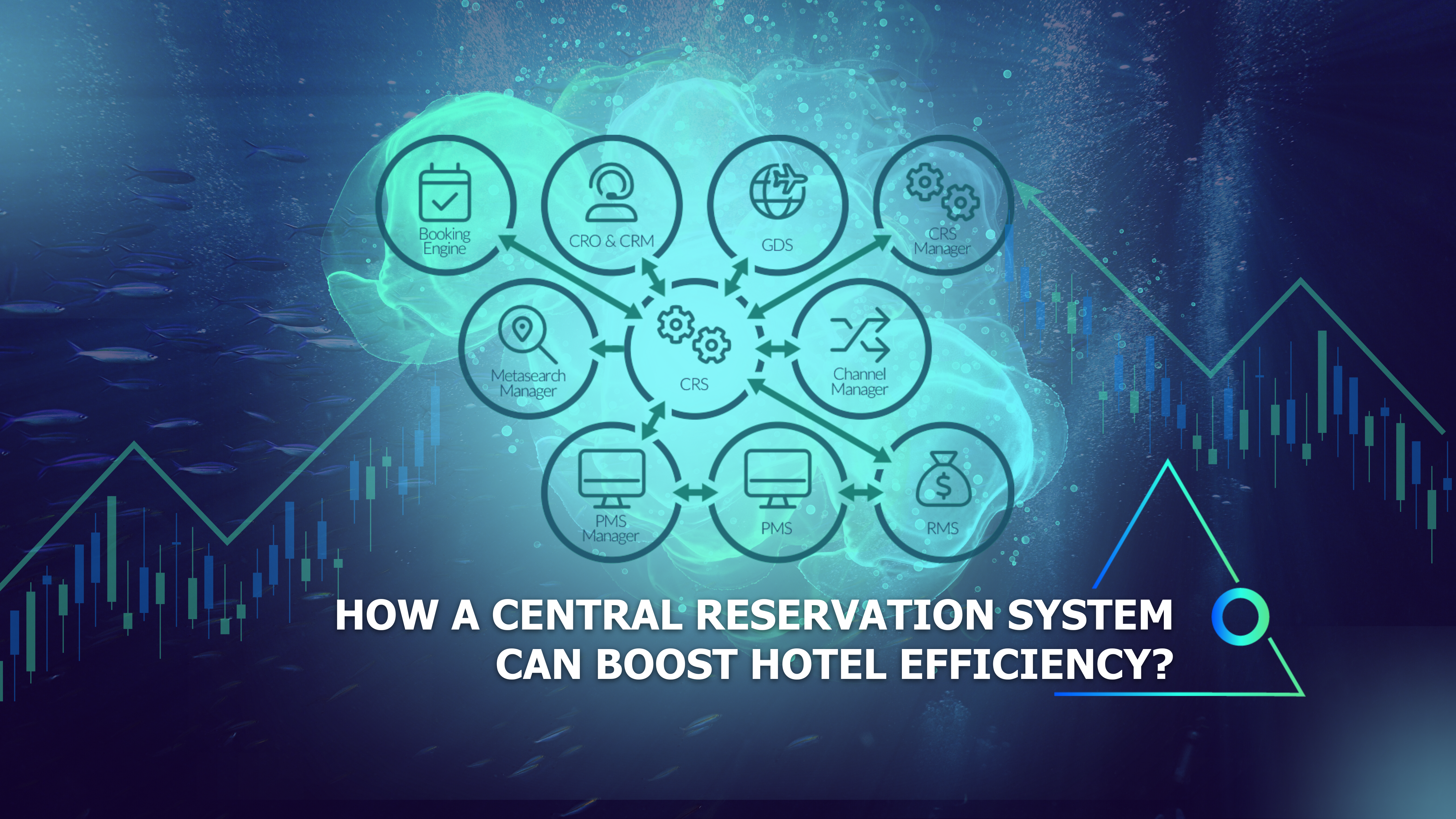
Boost Hotel Efficiency with a Central Reservation System (CRS)

Disruptive Trends & the Future of Hospitality

The Impact of Hotel CRM on Customer Loyalty

Choosing a Revenue Management System for Your Hotel

7 Ways Hospitality Technology Enhances Hotel Operations & Profitability