28
No. of Vendors
32
No. of Products
13
Verified Products
Products (32)

SmartVOICE
by Prologic First Vendor verified
SmartTEL Call Accounting System
by Prologic FirstVendor verifiedtouché Central Order Taking
by Prologic FirstVendor verified
innLine
by TigerTMSVendor verified
OmniPCX Enterprise Communication Server
by Alcatel-Lucent Partially verified
Avaya Vantage™
by AvayaPartially verifiedPhone H200 Series
by AvayaPartially verified
Meraki Phone System
by CiscoPartially verified
OneView Voice
by GuestTekPartially verifiedTelephone Systems and PBX for Hotels
Hotel telephony sits at the intersection of guest communication, operational coordination, and infrastructure management. While digital messaging has reduced in-room phone usage significantly, telephone systems remain essential for emergency communication, accessibility compliance, internal operations, and guest service workflows that digital channels cannot fully replace.
Hotel Telephone Systems and PBX (Private Branch Exchange) platforms provide the voice communication infrastructure that connects guest rooms, front desk, housekeeping, maintenance, and management across the property. Modern solutions have evolved from hardware-intensive on-premises PBX systems into cloud-based or hybrid VoIP platforms that reduce infrastructure costs, integrate with property management systems, and support the operational communication workflows that hotel departments depend on.
What are Hotel Telephone Systems and PBX?
A
Private
Branch Exchange (PBX) is the internal telephone switching system that manages voice
communication across a hotel property, connecting guest room phones, front desk
extensions, departmental lines, and external calls through a centralized
platform. Modern hotel PBX systems increasingly use Voice over IP (VoIP)
technology to deliver telephony over data network infrastructure rather than
dedicated telephone cabling.
Core
functions include:
•
Guest room telephone management and in-room calling features
•
Internal extension management across all hotel departments
•
External call routing and PSTN connectivity
•
Voicemail and automated attendant services
•
Integration with property management systems for guest billing
and room status
Why do Hotel Telephone Systems matter?
While
smartphone adoption has reduced in-room phone usage among most guest segments,
hotel telephony infrastructure remains operationally essential. Emergency
calling requirements, accessibility compliance, internal department
coordination, and guest service workflows that depend on room-to-desk
communication all require reliable telephone infrastructure regardless of how
much guests prefer digital channels for routine requests.
•
Emergency communication is a regulatory requirement: in-room phones must
support emergency calling capabilities that smartphone-only environments cannot
guarantee
•
Accessibility compliance depends on telephone infrastructure: guests with hearing
or mobility impairments may depend on in-room telephone services that digital
alternatives do not fully support
•
Internal operations depend on reliable voice communication: housekeeping,
maintenance, security, and front desk coordination require dependable internal
calling that business-grade telephony provides
•
Call accounting connects telephone usage to guest billing: PMS-integrated call
accounting ensures that chargeable calls are correctly posted to guest folios
What problems do Hotel Telephone Systems help solve?
•
Legacy PBX infrastructure maintenance costs: aging on-premise PBX
hardware creates increasing maintenance costs and reliability risks that modern
VoIP platforms eliminate
•
Disconnected call accounting and guest billing: telephone systems not
integrated with property management systems require manual billing entry that
introduces errors
•
Limited internal communication flexibility: modern hotel
operations require communication tools that work across mobile devices, not
just fixed desk phones
•
High external call costs on legacy systems: VoIP-based systems
typically reduce external calling costs significantly compared to traditional
PSTN connections
•
Inflexibility for property changes and expansions: cloud-based PBX
systems can add extensions and modify configurations without hardware changes
What capabilities should hotels expect?
•
VoIP-based or hybrid telephony infrastructure with on-premise
and cloud options
•
PMS integration for guest name display, room status, and call
billing
•
Call accounting and reporting for chargeable call management
•
Mobile extension capability for staff working across the
property
•
Emergency calling compliance including direct connection to
emergency services
How do Hotel Telephone Systems fit into the hotel technology ecosystem?
•
Property management systems: PMS integration enables guest name
display on incoming calls, automatic wake-up call management, and call charge
posting to guest folios
•
Guest messaging platforms: modern telephony platforms
increasingly integrate with digital guest communication tools to provide
unified communication management
•
Call accounting software: dedicated call accounting systems
connect with PBX infrastructure to track, rate, and bill guest telephone usage
•
Security and CCTV systems: emergency calling integration connects
telephone infrastructure with security response protocols
Which hotel types need robust telephone infrastructure most?
•
Large full-service hotels: with high room counts and multiple
departments requiring coordinated internal communication
•
Hotels with conference and event facilities: where temporary
extension management and public address integration are operational
requirements
•
Luxury properties: where in-room telephone quality and feature
set remain part of the guest experience expectation
•
Hotels with strict accessibility compliance requirements: where in-room
telephone infrastructure must meet specific regulatory standards for guest
accessibility
What should hotels evaluate before selecting a platform?
•
Cloud versus on-premise architecture: assess the long-term
cost, flexibility, and support implications of cloud-based VoIP versus
on-premise PBX infrastructure
•
PMS integration quality: guest name display, wake-up call
management, and call billing must connect reliably with the hotel's property
management system
•
Emergency calling compliance: verify that the
system meets local regulatory requirements for emergency service access from
guest rooms
•
Mobile extension capability: assess whether the system supports
staff communication through mobile devices as well as fixed extensions
•
Migration path from legacy systems: understand the
infrastructure changes, retraining requirements, and service continuity
approach for transitioning from existing PBX
What common mistakes should hotels avoid?
•
Delaying legacy PBX replacement until failure: aging on-premise PBX
systems become increasingly expensive to maintain and parts availability
diminishes, creating avoidable operational risk
•
Selecting a system without PMS integration: disconnected call
accounting requires manual billing processes that introduce errors and consume
front desk time
•
Underestimating migration complexity: telephone system
transitions involve cabling, hardware, number porting, and staff training that
require careful planning
•
Ignoring mobile staff communication requirements: modern hotel
operations require communication tools that follow staff across the property,
not just fixed desk extensions
How have Hotel Telephone Systems and PBX evolved?
Hotel
telephony has shifted from hardware-intensive on-premise PBX systems into
cloud-based and hybrid VoIP platforms. The transition from dedicated telephone
cabling to IP-based delivery has reduced infrastructure costs and increased
flexibility significantly. In-room phone usage has declined substantially as
guests use personal devices, but the operational and compliance role of hotel
telephony has remained. By 2025, cloud-hosted PBX platforms had become the
standard choice for new hotel telephony deployments and legacy system
replacements.
What trends are shaping Hotel Telephone Systems?
•
Cloud PBX adoption accelerating: cloud-hosted
telephony is replacing on-premise PBX systems as infrastructure costs and
maintenance complexity drive migration
•
Unified communications convergence: hotel telephony is
increasingly part of broader unified communications platforms that integrate
voice, messaging, and video
•
Reduced in-room phone usage driving cost optimization: hotels are
reassessing in-room telephone hardware investment as guest usage declines
across most segments
•
Staff mobility tools replacing fixed extensions: mobile PBX extensions
and push-to-talk applications are replacing fixed desk phones for operational
staff
What impact can modern Hotel Telephone Systems deliver?
•
Reduced infrastructure and maintenance costs through VoIP and
cloud-based deployment
•
Accurate guest call billing through PMS-integrated call
accounting
•
Improved internal communication flexibility through mobile
extension capability
•
Regulatory compliance for emergency calling and accessibility
requirements
What should hotels prioritize when comparing providers?
Hotels
evaluating Telephone Systems and PBX should assess how effectively a solution
meets current operational requirements while providing the flexibility and cost
efficiency that modern VoIP and cloud architectures offer.
•
PMS integration quality: call billing, wake-up calls, and guest
name display depend on reliable PMS connectivity
•
Emergency compliance: local regulatory requirements for emergency
calling must be met without exception
•
Cloud versus on-premise total cost of ownership: assess
infrastructure, maintenance, and support costs across the deployment lifecycle
• Mobile staff communication capability: the system should support staff communication across the property, not just fixed locations
Start your comparison
on ExploreTECH
Blogs (5)
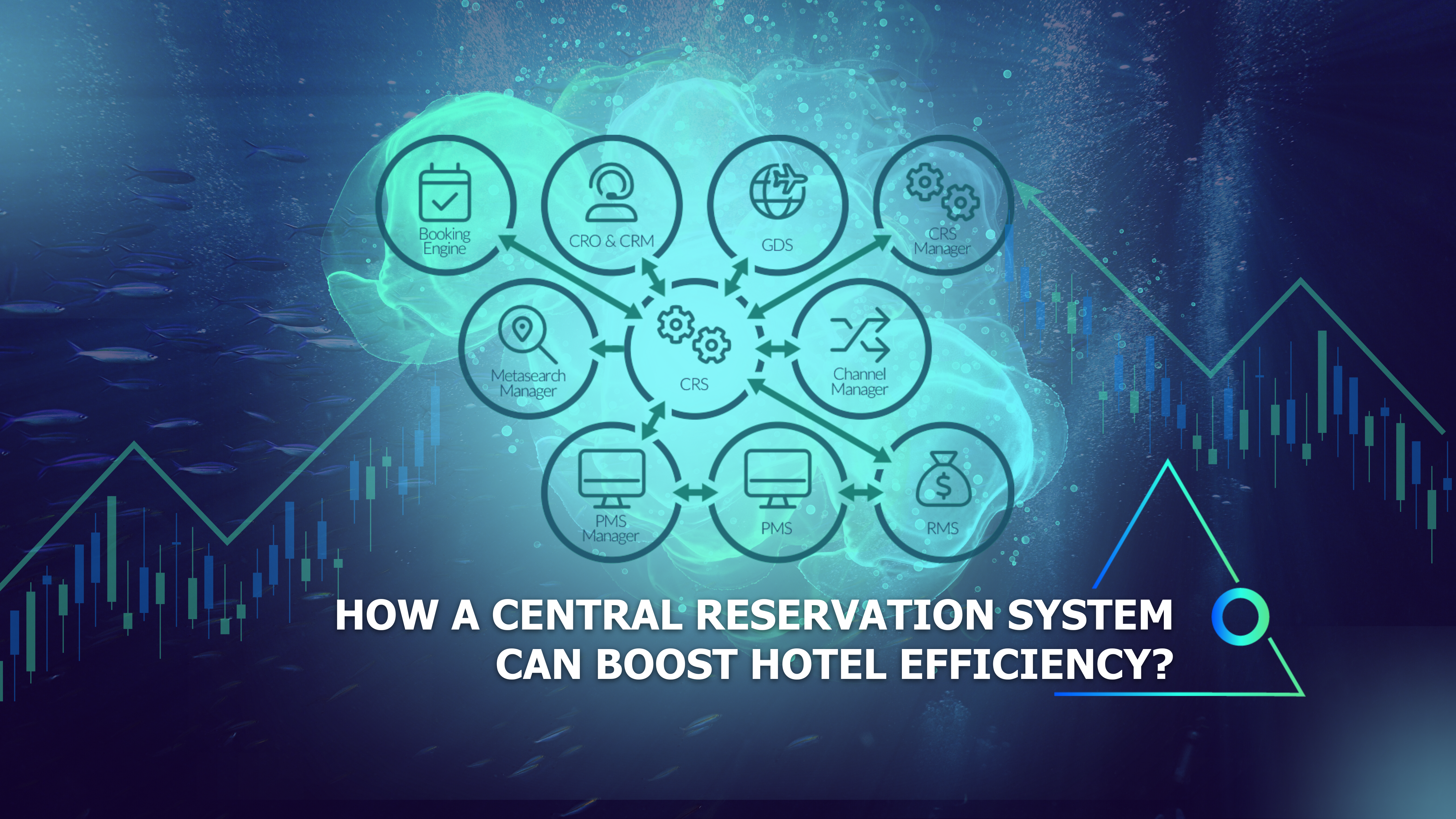
Boost Hotel Efficiency with a Central Reservation System (CRS)

Disruptive Trends & the Future of Hospitality

The Impact of Hotel CRM on Customer Loyalty
Choosing a Revenue Management System for Your Hotel

7 Ways Hospitality Technology Enhances Hotel Operations & Profitability