3
No. of Vendors
3
No. of Products
0
Verified Products
Products (3)

Cvent Transient (Lanyon)
by Cvent Unverified
HRS hotels solution
by HRS GroupUnverified
Vindow RFP fulfillment
by VindowUnverifiedCorporate RFP Sourcing for Hotels
Corporate travel programs represent some of the most valuable and predictable revenue in hotel distribution. But winning and retaining corporate accounts depends on participating effectively in the Request for Proposal (RFP) process, which for many hotels still involves manual responses, disconnected rate management, and limited visibility into how their proposals compare competitively.
Corporate RFP Sourcing platforms give hotels the tools to manage the corporate account solicitation process efficiently, respond to RFPs at scale, manage preferred rate agreements, and track corporate account performance. Modern platforms have evolved from basic bid management tools into connected commercial intelligence environments that integrate with revenue management systems (RMS), central reservation systems (CRS), and hotel business intelligence tools.
What is Corporate RFP Sourcing for hotels?
Corporate
RFP
(Request for Proposal) Sourcing refers to the process through which hotels
respond to corporate travel program rate inquiries and negotiate preferred rate
agreements with companies, travel management companies, and consortia.
Dedicated RFP sourcing platforms automate and manage this process, allowing
hotels to respond to multiple RFPs simultaneously with consistent, competitive,
and commercially sound rate proposals.
Core
functions include:
•
RFP receipt and management from corporate clients, TMCs, and
consortia
•
Rate proposal creation and negotiation workflow management
•
Preferred rate agreement storage and management
•
Corporate account performance tracking and production analysis
•
Integration with GDS platforms for rate loading and visibility
Why does Corporate RFP Sourcing matter for hotels?
Corporate
accounts provide hotels with predictable, high-frequency demand from business
travelers who tend to have higher average daily rates, more consistent booking
patterns, and greater loyalty than leisure guests acquired through OTA
channels. Winning corporate accounts through the RFP process requires both
competitive rate positioning and efficient process management that manual
approaches cannot sustain at scale.
•
Corporate travel programs represent high-value, repeatable
revenue:
preferred rate agreements lock in predictable demand that supports revenue
management planning and reduces distribution cost
•
RFP volume requires automation to manage effectively: large hotels may
receive hundreds of RFPs annually from companies, TMCs, and consortia that
manual response processes cannot handle consistently
•
Late or incomplete RFP responses result in lost account
opportunities: corporate travel managers prioritize hotels that respond
quickly and completely, making process efficiency a competitive factor
•
Corporate account performance requires ongoing tracking: understanding which
accounts produce volume versus those that underperform against committed rates
requires dedicated tracking infrastructure
What problems does Corporate RFP Sourcing help solve?
•
Manual RFP response processes that cannot scale: hotels managing high
RFP volumes manually produce inconsistent responses and miss submission
deadlines that automated platforms prevent
•
No consolidated view of corporate account commitments and
performance: tracking preferred rate agreements and actual production
across multiple accounts requires centralized management infrastructure
•
Disconnected rate loading after RFP acceptance: rates agreed through
the RFP process must load correctly into GDS platforms where corporate travel
managers actually book
•
Limited visibility into competitive positioning: understanding how
hotel rates compare to competitor bids in corporate programs requires market
intelligence that dedicated platforms provide
•
Weak corporate account retention analysis: hotels that cannot
identify underperforming accounts and proactively manage relationships lose
corporate volume that could be retained
What capabilities should hotels expect?
•
Multi-channel RFP receipt and centralized response management
•
Rate proposal templates with commercial strategy guardrails
•
Preferred rate agreement lifecycle management
•
Corporate account production tracking and performance analysis
•
GDS connectivity for rate loading and corporate booking
visibility
How does Corporate RFP Sourcing fit into the hotel technology ecosystem?
•
Revenue management system (RMS): informs corporate
rate proposal decisions through demand forecasting and competitive rate
analysis
•
Central reservation system (CRS): receives loaded
corporate rates and manages booking activity from preferred corporate accounts
•
Hotel business intelligence tools: provide corporate
account production data for performance analysis and commercial strategy review
•
Rate shopping tools: supply competitive market rate context that
supports commercial positioning in RFP responses
Which hotel types benefit most?
•
Business hotels in corporate travel markets: where corporate
account revenue represents a significant share of total demand and RFP volume
justifies dedicated management tools
•
Airport and gateway hotels: with high transient corporate demand
from frequent business travelers and corporate programs
•
Conference properties: where corporate group and meeting business
generates significant RFP activity alongside transient corporate demand
•
Multi-property hotel groups: that manage corporate relationships
across multiple properties and require consistent rate strategy and centralized
account management
What should hotels evaluate before selecting a platform?
•
GDS connectivity and rate loading capability: accepted RFP rates
must load accurately into the GDS platforms where corporate travel managers
book
•
RFP workflow efficiency: assess how effectively the platform
manages receipt, response, negotiation, and acceptance workflows
•
Corporate account tracking and performance reporting: production tracking
against committed rate agreements must be accessible and actionable
•
Integration with revenue management system (RMS): rate proposal
decisions should be informed by demand forecasting and competitive rate data
•
TMC and consortia coverage: the platform must connect with the
specific TMCs and consortia relevant to the hotel's corporate target market
What common mistakes should hotels avoid?
•
Accepting all corporate RFPs without commercial assessment: not all corporate
accounts deliver the production volume that justifies preferred rate
commitments, requiring disciplined evaluation criteria
•
Setting corporate rates without revenue management system
(RMS) input: corporate rates agreed without demand forecasting context can
undermine revenue strategy during high-demand periods
•
No post-acceptance production tracking: hotels that do not
monitor whether corporate accounts deliver committed volumes cannot identify
underperforming relationships or enforce rate integrity
•
Slow RFP response processes: corporate travel managers managing
multiple RFPs simultaneously will simply move on from hotels that respond
slowly or incompletely
How has Corporate RFP Sourcing evolved?
Corporate
RFP management has evolved from manual spreadsheet-based responses into
connected platforms that integrate with GDS, revenue management systems, and
business intelligence tools. The introduction of digital RFP submission through
platforms including Lanyon and Cvent from the early 2000s standardized the
process. By 2025, AI-supported rate recommendation and automated production
tracking had emerged as meaningful differentiators in corporate RFP sourcing
platforms.
What trends are shaping Corporate RFP Sourcing?
•
AI-supported rate recommendation: platforms are
beginning to recommend corporate rate levels based on demand forecasting,
competitive positioning, and account history
•
Dynamic corporate rate structures: fixed annual
corporate rates are being challenged by more flexible, demand-responsive rate
structures that some corporate programs are beginning to accept
•
Sustainability criteria in corporate RFP evaluation: corporate travel
programs are increasingly incorporating ESG criteria into hotel evaluation
alongside rate and location factors
•
Integration with total commercial strategy: corporate RFP
sourcing is becoming more connected with rate shopping tools and revenue
management systems for unified commercial decision-making
What impact can Corporate RFP Sourcing platforms deliver?
•
Increased corporate account win rates through faster, more
consistent, and commercially sound RFP responses
•
Stronger corporate account retention through production tracking
and proactive relationship management
•
Better rate integrity through centralized preferred agreement
management and GDS rate loading
•
Improved commercial decision-making through corporate account
performance data
What should hotels prioritize when comparing providers?
Hotels
evaluating Corporate RFP Sourcing platforms should look beyond bid management
functionality and assess how effectively a solution connects corporate account
strategy with revenue management, GDS distribution, and performance tracking.
•
GDS connectivity and rate loading accuracy: preferred rates must
reach corporate travel managers where they actually book
•
RFP workflow efficiency: response speed and consistency
directly affect corporate account win rates
•
Production tracking and account performance: ongoing relationship
management depends on visibility into actual booking volumes against
commitments
•
Revenue management system (RMS) integration: rate proposal
decisions should be grounded in demand and competitive market intelligence
Blogs (5)
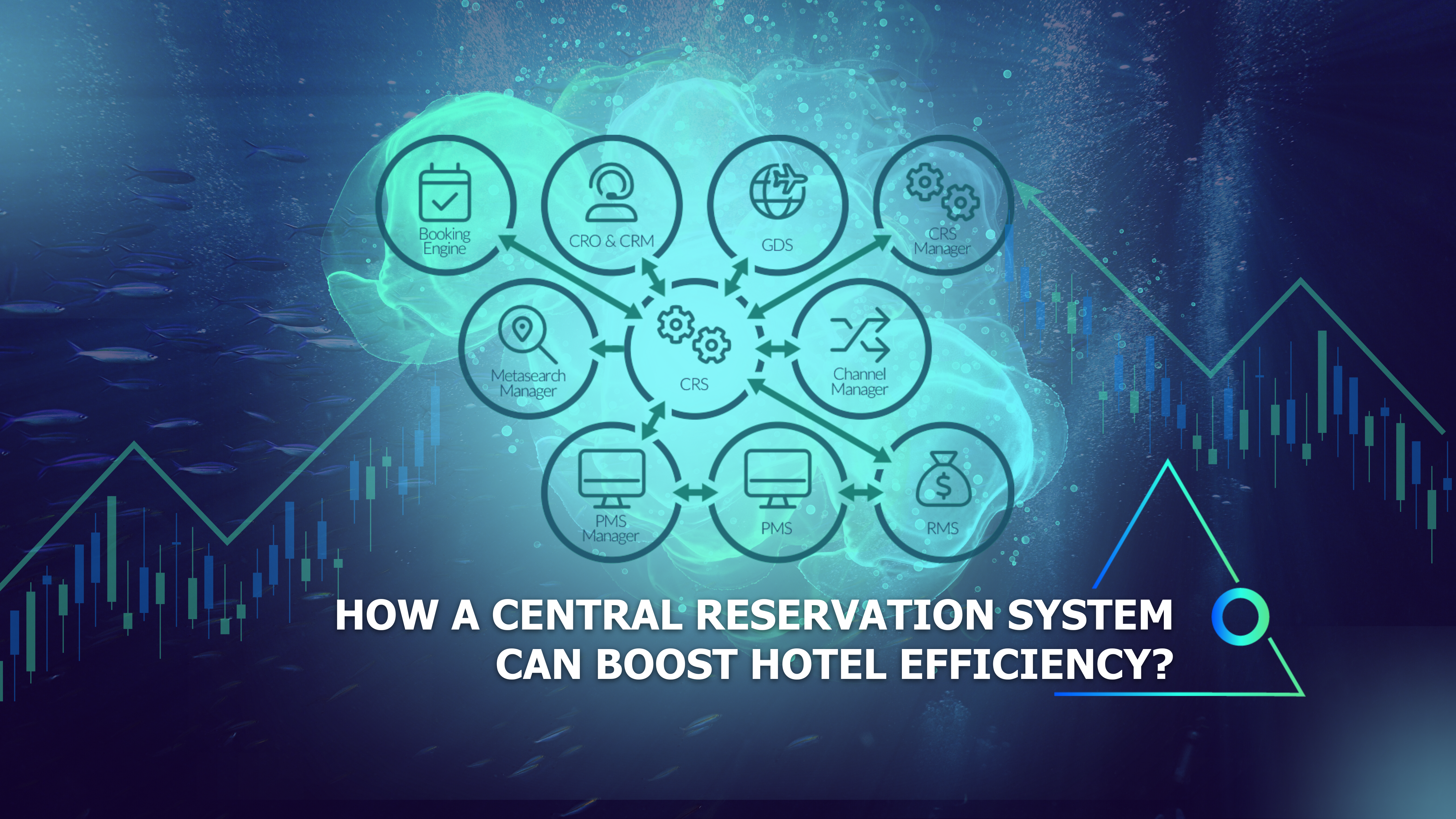
Boost Hotel Efficiency with a Central Reservation System (CRS)

Disruptive Trends & the Future of Hospitality

The Impact of Hotel CRM on Customer Loyalty

Choosing a Revenue Management System for Your Hotel

7 Ways Hospitality Technology Enhances Hotel Operations & Profitability