26
No. of Vendors
28
No. of Products
3
Verified Products
CHECKOUT OUR LATEST ARTICLE
Products (28)
AI Powered
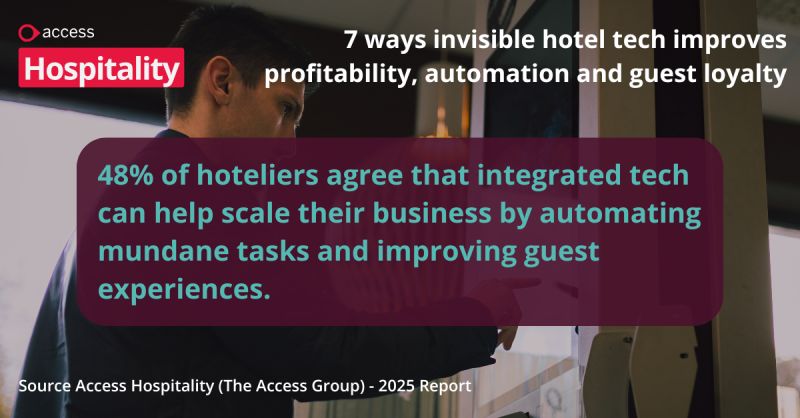
Check-in Kiosk
by Access Hospitality, The Access Group's hospitality division Vendor verified
Self service Kiosks
by Convene HospitalityVendor verifiedAI Powered

Samsotech Kiosk Check-ins
by Samsotech International Partially verified
Abitari Kiosk
by Abitari Unverified
Altitude Self-Service Kiosk
by Altitude Hospitality LimitedUnverified
Check In Touch Screen kiosk
by CheckInnUnverified
Hotel Kiosk
by Clock PMSUnverified
Crave Kiosk
by Crave InteractiveUnverified
Czech Kiosk Hotel
by Czech Kiosk HotelUnverifiedSelf Service Kiosks for hotels
Hotel lobbies experience their most intense pressure during peak check-in and checkout periods. Queues form, guests wait, and the front desk team manages volume that brief scheduling windows concentrate into unavoidable bottlenecks. For guests who want to complete arrival formalities quickly and independently, waiting in line for a staffed interaction they would rather avoid creates immediate friction with the hotel experience.
Self Service Kiosks for hotels provide standalone physical terminals that allow guests to check in, verify identity, collect room keys, and check out independently without front desk staff involvement. Modern kiosks have evolved from basic key dispensing machines into connected guest journey platforms that integrate with property management systems, access control and door lock technology, and e-registration and identity verification tools to manage the complete self-service arrival and departure experience.
What are Self Service Kiosks for hotels?
Self
Service Kiosks are standalone interactive terminals positioned in hotel
lobbies or arrival areas that allow guests to complete check-in, identity
verification, key collection, upsell purchase, and checkout without requiring
staffed front desk interaction. They provide an alternative arrival channel for
guests who prefer self-service efficiency alongside the staffed front desk
option.
Core
functions include:
•
Self-service check-in with reservation lookup and guest detail
confirmation
•
Identity document scanning and verification
•
Room key encoding and dispensing
•
Upsell presentation for room upgrades and ancillary services
•
Express checkout with folio review and payment processing
Why do Self Service Kiosks matter for hotels?
Guest
expectations around arrival efficiency have shifted significantly. Travelers
accustomed to airline and car rental self-service expect hotel arrival to offer
a comparable level of choice and speed. Hotels that provide only a staffed
front desk as the arrival channel are limiting the experience options for an
increasingly large segment of guests who actively prefer self-service.
•
Peak period queues damage first impressions: arrival queues during
check-in peaks create the first guest experience moment and set a negative tone
that is difficult to recover from
•
Self-service guests free staff for higher-value interactions: guests who complete
check-in independently redirect staff time toward guests who want personal
service and toward more complex hospitality tasks
•
Extended hour service capability without overnight staffing: kiosks provide
arrival processing capability outside of full staffing hours without requiring
dedicated overnight front desk coverage
•
Upsell presentation at check-in captures upgrade revenue: kiosks that present
upgrade and ancillary offers during check-in capture incremental revenue from
guests who would not have been offered upgrades in a busy queue
What problems do Self Service Kiosks help solve?
•
Peak period front desk queues: self-service channels
absorb check-in volume during busy arrival windows without requiring additional
staffing
•
No arrival option for guests who prefer self-service: kiosks provide the
self-service choice that a growing proportion of hotel guests actively seek
•
Limited after-hours arrival capability: kiosks provide a
staffed-equivalent arrival experience outside of peak staffing hours
•
Missed upsell opportunities during busy check-in periods: kiosk upsell
presentation captures upgrade and ancillary revenue that time-pressured front
desk interactions consistently miss
•
Long checkout queues during late morning departure peaks: express checkout
kiosks reduce the departure queue that concentrates between late checkout and
noon departure periods
What capabilities should hotels expect?
•
PMS integration for reservation lookup and check-in processing
•
Identity document scanning with passport and ID verification
•
Room key encoding and physical dispensing
•
Upsell and upgrade presentation with payment processing
•
Express checkout with folio display and e-receipt delivery
How do Self Service Kiosks fit into the hotel technology ecosystem?
•
Property management systems: PMS integration is the foundational
requirement enabling reservation access, check-in processing, and folio
management through the kiosk
•
Access control and door lock technology: key encoding at the
kiosk must connect with the hotel's lock infrastructure for correctly encoded
physical keys or mobile credentials
•
E-registration and identity verification: passport scanning and
identity verification at kiosks connects with e-registration platforms for
compliant guest record management
•
E-commerce payment platforms: checkout payment
processing requires integration with the hotel's payment infrastructure for
secure card acceptance
Which hotel types benefit most?
•
Hotels with high check-in volumes and peak period congestion: where the queue
reduction benefit of self-service check-in is most immediately operationally
valuable
•
Airport and transit hotels with high late-night and
early-morning arrivals: where kiosks provide service capability at hours when
full staffing is operationally unsustainable
•
Business hotels with time-sensitive traveler segments: where guests arriving
with tight schedules actively prefer rapid self-service over staffed
interaction
•
Hotels seeking to optimize front desk staffing levels: where kiosks enable
staffing level reduction during off-peak periods without reducing service
availability
What should hotels evaluate before selecting a platform?
•
PMS integration reliability: all kiosk functionality depends on
accurate real-time PMS connectivity for reservation and folio data
•
Key encoding compatibility: kiosks must encode keys that work with
the hotel's specific lock system hardware
•
Identity verification capability: passport and ID
scanning must meet local e-registration and compliance requirements
•
User interface quality: the kiosk interface must guide guests through
the check-in process intuitively without staff assistance
•
Hardware reliability and maintenance support: physical kiosk
hardware requires responsive vendor support to prevent guest-facing failures
What common mistakes should hotels avoid?
•
Positioning kiosks without adequate wayfinding: guests who cannot
find the kiosk or understand that it is available as a check-in option default
to the front desk queue
•
No staff nearby to assist with kiosk difficulties: kiosks without nearby
staff available to assist guests who encounter difficulties create frustration
rather than efficiency
•
Removing staffed check-in as the primary option: self-service kiosks
should supplement rather than replace staffed check-in for guests who prefer
personal interaction
•
Insufficient testing with realistic guest scenarios: kiosk failure
scenarios including expired documents, reservation issues, and payment problems
must have defined resolution paths before deployment
How have Self Service Kiosks evolved?
Hotel
self-service kiosks have evolved from basic key dispensing machines into full
check-in and checkout platforms. Early kiosk deployments from around 2010
focused on express checkout functionality. The integration of identity
verification, upsell presentation, and mobile key issuance from around 2018
significantly expanded kiosk capability. By 2025, kiosks incorporating
biometric verification and integrated with digital check-in pre-arrival
workflows had become available in the upper segments of the hotel kiosk market.
What trends are shaping Self Service Kiosks?
•
Biometric identity verification integration: facial recognition
check-in through kiosks is emerging in markets where regulations permit
biometric hotel authentication
•
Pre-arrival digital check-in reducing kiosk demand: hotels with strong
mobile check-in adoption see kiosk use shift toward guests who did not complete
pre-arrival digital check-in
•
Upsell optimization at kiosk: AI-powered
personalized upgrade and upsell presentation at kiosks is improving ancillary
revenue capture
•
Contactless key issuance through kiosk: some kiosks are
replacing physical key dispensing with mobile key credential delivery for
guests without smartphones who cannot use app-based check-in
What impact can Self Service Kiosks deliver?
•
Reduced peak period front desk queues improving first impression
guest experience
•
Extended service capability outside full staffing hours
•
Incremental upsell revenue through upgrade presentation during
check-in
•
Front desk staff reallocation toward higher-value guest
interactions
What should hotels prioritize when comparing providers?
Hotels
evaluating Self Service Kiosk platforms should prioritize PMS integration
reliability, key encoding compatibility, identity verification capability, and
hardware durability as the primary assessment criteria.
•
PMS integration reliability: all kiosk functionality depends on
accurate real-time property management system connectivity
•
Key encoding compatibility: physical key dispensing must work with
the hotel's specific lock hardware
•
User interface intuitiveness: guests must complete
check-in without staff assistance
• Hardware reliability and vendor support: physical hardware failures require responsive support to prevent guest-facing service gaps
Blogs (5)
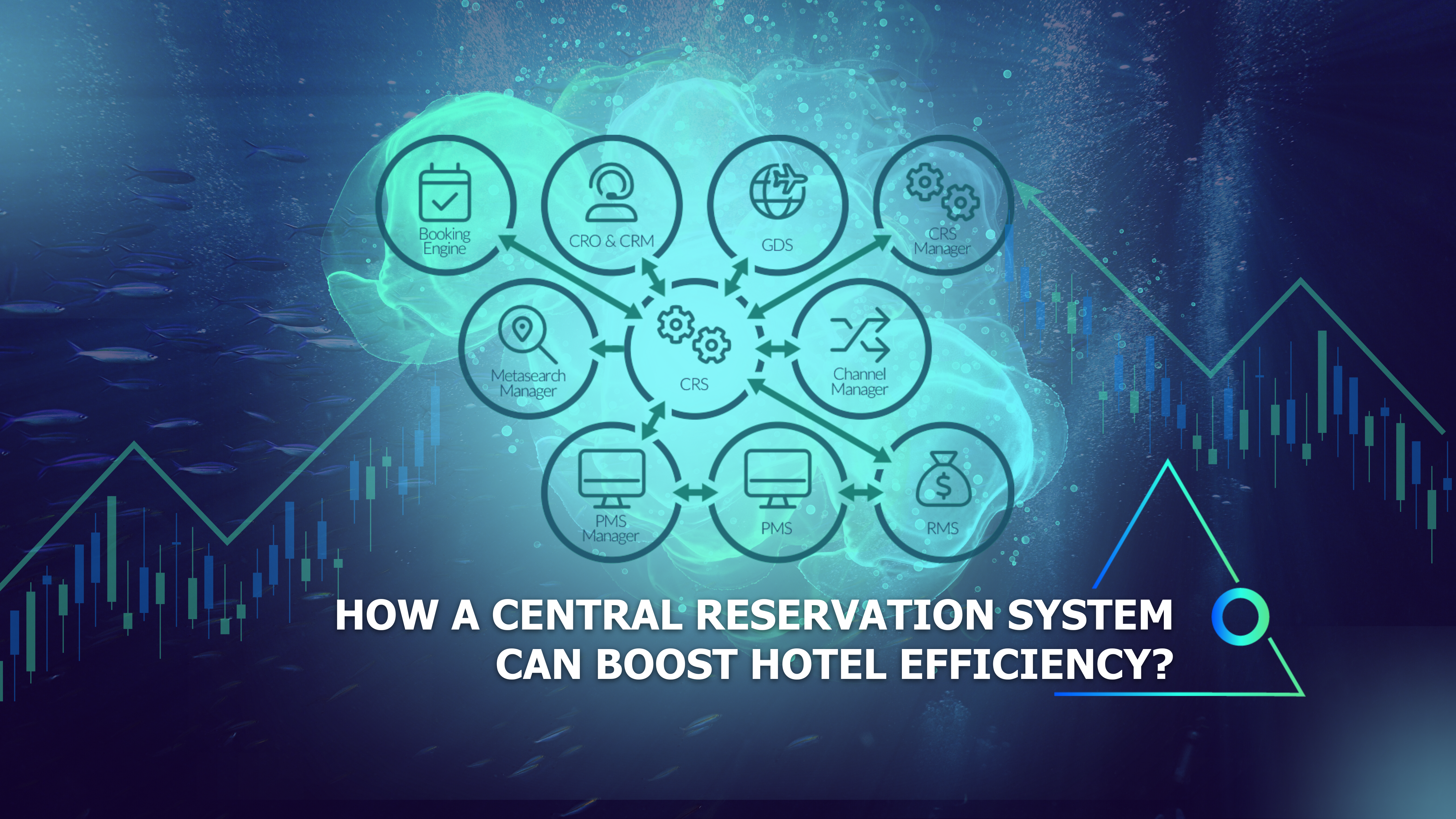
Boost Hotel Efficiency with a Central Reservation System (CRS)

Disruptive Trends & the Future of Hospitality

The Impact of Hotel CRM on Customer Loyalty
Choosing a Revenue Management System for Your Hotel

7 Ways Hospitality Technology Enhances Hotel Operations & Profitability