0
No. of Vendors
0
No. of Products
0
Verified Products
Digital Menus and Content Management for hotels
Printed menus have a fundamental problem. The moment they are produced they begin to go out of date. Prices change, dishes are added or removed, seasonal ingredients come and go, and allergen information must be updated whenever a recipe changes. Every update requires a reprint cycle that costs money, takes time, and still results in outdated menus being used until the new ones arrive.
Digital Menus and Content Management platforms solve this by enabling hotel F&B teams to create, update, and distribute menu content across dining room QR codes, in-room tablets, digital signage solutions, and online ordering channels from a single content management environment. Modern platforms integrate with restaurant management software and POS systems and food safety and allergen management technology to ensure that pricing, availability, and allergen information is accurate and consistent wherever guests encounter it.
What are Digital Menus and Content Management platforms?
Digital
Menus and Content Management refers to platforms that create, manage, and
distribute menu content across all guest-facing channels through a single
centralized system. Rather than maintaining separate menus for print, QR code,
in-room access, and online ordering, a digital menu platform manages a single
content source that updates all channels simultaneously.
Core
functions include:
•
Centralized menu content management with multi-channel
publishing
•
QR code menu creation and management
•
Real-time price and availability updates across all menu
channels
•
Allergen and dietary information display connected to food
safety platforms
•
Integration with restaurant management software and POS systems
for live availability
Why do Digital Menus matter for hotels?
Hotel
F&B menus change more frequently than most restaurants because they must
accommodate seasonal ingredients, daily specials, event-specific offerings, and
outlet-specific variations across multiple dining venues simultaneously.
Managing this through print production is expensive and slow. Digital menus
that update instantly from a central platform eliminate both the cost and the
accuracy gap.
•
Menu accuracy directly affects guest trust: guests who order
based on printed menu information and receive something different have a
diminished experience that accurate digital menus prevent
•
Allergen accuracy is a legal obligation: digital menus
connected to allergen databases ensure that dietary information is current
whenever menu content changes
•
Print and reprint costs are avoidable: eliminating or
significantly reducing printed menus reduces ongoing production costs and the
environmental impact of paper consumption
•
Multi-outlet menu management is complex at scale: hotels with multiple
restaurants, bars, and room service menus benefit from centralized content
management that ensures consistency across all outlets
What problems do Digital Menus and Content Management platforms help solve?
•
Outdated printed menus with incorrect prices or unavailable
items:
real-time updates ensure guests always see current information regardless of
when menus were last physically updated
•
Inconsistent allergen information across menu formats: centralized allergen
data connected to food safety and allergen management technology ensures
consistent display across all channels
•
High print production costs from frequent menu changes: eliminating print
cycles for routine updates reduces ongoing F&B operational costs
•
No single source of truth for menu content: centralized
management eliminates the version inconsistencies that arise from managing menu
content separately for different channels
•
Limited insight into menu engagement and performance: digital menus
generate analytics on what guests view and interact with that printed menus
cannot provide
What capabilities should hotels expect?
•
Centralized content editor accessible to non-technical F&B
teams
•
Multi-channel publishing to QR codes, digital signage solutions,
in-room tablets, and online channels
•
Real-time availability and price updates from restaurant
management software and POS systems
•
Allergen and dietary filter display connected to food safety and
allergen management technology
•
Multi-language menu content for international guest populations
How do Digital Menus fit into the hotel technology ecosystem?
•
Restaurant management software and POS: live item
availability and price data from POS systems keeps digital menus accurate
without manual updates
•
Food safety and allergen management technology: allergen database
integration ensures dietary information displayed on digital menus reflects
current recipe and ingredient data
•
Digital signage solutions: digital menu content extends to
restaurant entrance boards, lobby displays, and promotional screens through
connected digital signage infrastructure
•
F&B mobile ordering: digital menu content connects directly
with mobile ordering platforms for a consistent guest experience from menu
browsing to order placement
Which hotel types benefit most?
•
Hotels with multiple F&B outlets and varied menus: where the complexity
of managing content across restaurants, bars, room service, and event catering
makes centralized management most valuable
•
Hotels with high menu change frequency: where seasonal
ingredients, daily specials, and frequent price updates create significant
reprint costs that digital menus eliminate
•
Luxury and lifestyle hotels: where menu presentation quality and
accuracy reflects brand standards that digital platforms maintain more
consistently than print
•
Hotels with international guest mixes: where multi-language
menu content delivered from a single platform reduces the operational
complexity of managing translated versions
What should hotels evaluate before selecting a platform?
•
POS integration for live availability: menu item
availability that updates automatically from restaurant management software and
POS eliminates the manual effort of 86-ing sold-out items
•
Content management ease for F&B teams: kitchen and F&B
managers must be able to update menu content without technical support
•
Allergen integration quality: connection to food
safety and allergen management technology must update allergen displays
automatically when recipes change
•
Multi-channel publishing capability: the platform must
support all the channels the hotel uses including QR codes, digital signage,
in-room tablets, and online ordering
•
Multi-language support: assess language coverage against the hotel's
primary guest segments
What common mistakes should hotels avoid?
•
Maintaining printed menus alongside digital as a permanent
parallel system: the cost and accuracy benefits of digital menus are undermined
when print production continues for all the same occasions
•
No POS integration for availability updates: digital menus that do
not reflect actual item availability create guest disappointment when ordered
items are unavailable
•
Insufficient content management training for F&B teams: platforms that
front-of-house managers find difficult to update revert to outdated content
that defeats the purpose of the investment
•
No allergen update process when recipes change: digital menus with
allergen information that is not systematically updated when ingredients change
create compliance risk
How have Digital Menus and Content Management platforms evolved?
Hotel
menu technology has evolved from printed cards and static PDFs into connected
digital content platforms. The acceleration of QR code menu adoption from 2020
onwards created broad familiarity with digital menus among guests and operators
simultaneously. By 2025, platforms integrating live POS availability, allergen
database connectivity, and multi-channel publishing had become accessible to
hotel F&B teams of all sizes.
What trends are shaping Digital Menus and Content Management?
•
AI-powered menu personalization: platforms are
beginning to tailor displayed menu content to individual guest preferences and
dietary profiles
•
Dynamic pricing on digital menus: demand-responsive
menu pricing connected to revenue management logic is emerging as a capability
in leading digital menu platforms
•
Integration with sustainability reporting: digital menus are
beginning to display carbon footprint and sustainability information alongside
allergen and nutritional data
•
Video and rich media menu content: high-quality food
photography and short video content within digital menus is improving
presentation quality and conversion
What impact can Digital Menus and Content Management deliver?
•
Eliminated print production costs for routine menu updates
•
Consistent, accurate allergen information across all
guest-facing channels
•
Real-time menu accuracy through POS integration eliminating
sold-out disappointments
•
Improved guest engagement through rich, interactive digital menu
presentation
What should hotels prioritize when comparing providers?
Hotels
evaluating Digital Menus and Content Management platforms should prioritize POS
integration, allergen connectivity, content management usability, and
multi-channel publishing capability as the core assessment criteria.
•
POS integration for live availability: automatic item
availability updates are the most operationally valuable integration
•
Allergen database connectivity: food safety
compliance requires allergen information that updates automatically with recipe
changes
•
Content management usability: F&B team
independence from technical support determines whether content stays current
• Multi-channel publishing breadth: all guest-facing menu touchpoints must be served from a single content source
Blogs (5)
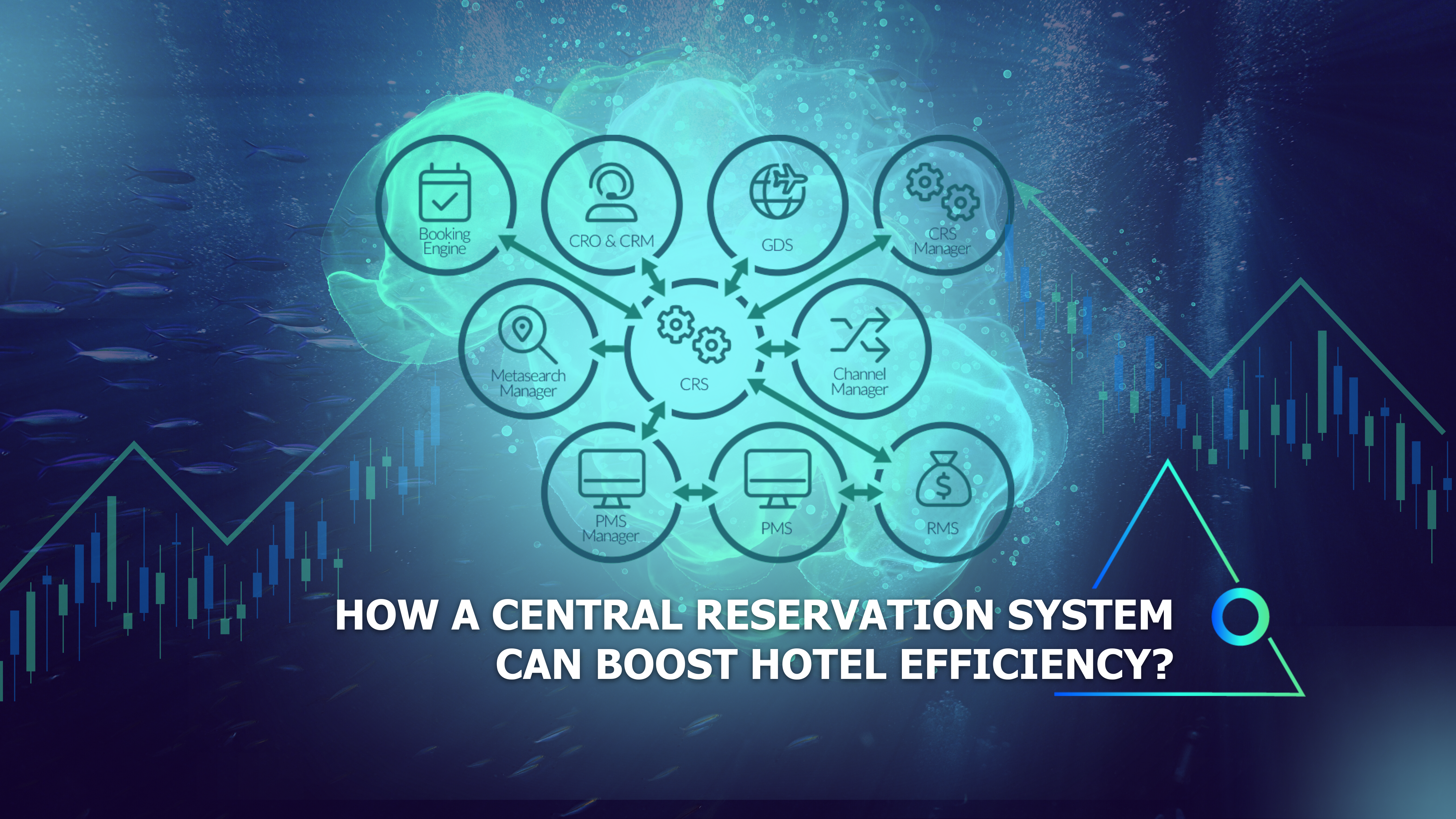
Boost Hotel Efficiency with a Central Reservation System (CRS)

Disruptive Trends & the Future of Hospitality

The Impact of Hotel CRM on Customer Loyalty

Choosing a Revenue Management System for Your Hotel

7 Ways Hospitality Technology Enhances Hotel Operations & Profitability