1
No. of Vendors
1
No. of Products
0
Verified Products
Products (1)

Safedine
by Safedine Unverified
Food Safety and Allergen Management Technology for hotels
Food safety failures in hotel kitchens and restaurants carry consequences that extend far beyond a single guest complaint. A serious allergen incident can cause life-threatening harm. A food safety breach can trigger regulatory action, force temporary closure, and generate the kind of press coverage that a property's reputation does not easily recover from. Managing food safety and allergen compliance through paper checklists and verbal communication is no longer adequate for the regulatory and operational demands hotels face.
Food Safety and Allergen Management Technology gives hotel F&B operations the digital infrastructure to manage food safety monitoring, allergen labeling, HACCP compliance documentation, supplier ingredient data, and staff training records within a structured, auditable platform. Modern solutions have evolved from basic digital checklists into connected compliance environments that integrate with restaurant management software and POS systems and procurement platforms.
What is Food Safety and Allergen Management Technology?
Food
Safety and Allergen Management Technology refers to digital platforms that manage
the food safety monitoring, allergen documentation, HACCP compliance, and
regulatory reporting requirements of hotel F&B operations. These platforms
replace paper-based safety logs, manual allergen records, and verbal
communication of dietary requirements with structured digital workflows that
create auditable compliance records.
Core
functions include:
•
Digital food safety monitoring including temperature logs and
critical control point records
•
Allergen database management and menu allergen labeling
•
HACCP plan documentation and compliance monitoring
•
Supplier ingredient and allergen data management
•
Staff food safety training records and certification tracking
Why does Food Safety and Allergen Management Technology matter for hotels?
The
14 major allergens regulated across most markets create a legal obligation for
food businesses to provide accurate allergen information to guests. Getting
this wrong is not simply a compliance failure. It is a potential cause of
serious harm. Hotels with multiple kitchens, complex menus, and high staff
turnover face particular challenges in maintaining consistent allergen
management that paper-based systems cannot address reliably.
•
Allergen incidents carry legal liability and reputational
consequences: a guest harmed by an undisclosed allergen exposes the hotel to
legal liability and the kind of publicity that is extremely difficult to manage
after the fact
•
Regulatory inspections require documented food safety records: food safety
authorities require evidence of ongoing monitoring, temperature logs, and HACCP
compliance that digital platforms generate automatically
•
Complex hotel menus create significant allergen management
challenges:
buffets, room service, multiple restaurants, and event catering all require
consistent allergen information management across varied food preparation
environments
•
Staff turnover creates food safety knowledge gaps: high hospitality
turnover rates mean food safety and allergen awareness training must be
systematic and documented rather than relying on institutional knowledge
What problems does Food Safety and Allergen Management Technology help solve?
•
Paper temperature logs that are incomplete or falsified: digital automated
temperature monitoring creates accurate, tamper-evident records that manual
logs cannot guarantee
•
Inconsistent allergen information across service channels: centralized allergen
databases ensure consistent information reaches guests through menus, staff,
and digital ordering channels
•
No supplier allergen data management: platforms that
collect and maintain supplier ingredient and allergen declarations provide the
documentation chain that regulators and insurers require
•
Staff allergen knowledge gaps creating risk: digital training
modules and certification tracking ensure allergen awareness requirements are
met across all relevant staff
•
Slow response to menu changes affecting allergen status: digital menu
management connected to allergen databases updates allergen information
automatically when recipes change
What capabilities should hotels expect?
•
Automated temperature monitoring with IoT sensor integration and
alert delivery
•
Comprehensive allergen database covering all 14 major regulated
allergens
•
HACCP plan documentation and critical control point monitoring
•
Supplier ingredient and allergen declaration management
•
Staff training and certification tracking with expiry alerts
How does Food Safety and Allergen Management Technology fit into the hotel technology ecosystem?
•
Restaurant management software and POS: allergen data
connects with POS and ordering systems to surface accurate allergen information
at point of sale and order taking
•
Digital menus and content management: menu allergen
information managed in food safety platforms updates digital menu displays
automatically when ingredient changes occur
•
Hospitality procurement software: supplier ingredient
and allergen declaration data connects with procurement platforms for supply
chain allergen traceability
•
E-learning and compliance platforms: food safety training
content and certification tracking connects with broader staff compliance
management infrastructure
Which hotel types need Food Safety and Allergen Management Technology most urgently?
•
Hotels with multiple F&B outlets and complex menus: where managing
consistent allergen information across different kitchens, menus, and service
styles creates the greatest compliance challenge
•
Hotels serving buffet and self-service formats: where allergen
labeling obligations and cross-contamination risks are particularly demanding
•
Conference and event hotels providing catering: where large-scale
event catering with diverse dietary requirements creates significant allergen
management complexity
•
Hotels with high staff turnover: where systematic
training and certification tracking compensates for the food safety knowledge
gaps that turnover creates
What should hotels evaluate before selecting a platform?
•
Allergen database completeness and update frequency: the platform must
cover all regulated allergens and update automatically when regulatory
requirements change
•
Temperature monitoring integration: IoT sensor
connectivity for automated temperature logging eliminates the manual recording
gaps that paper systems create
•
HACCP documentation capability: the platform must
support the specific HACCP plan documentation required by local food safety
regulations
•
Supplier data management: ingredient and allergen declaration
collection from suppliers must be systematic and auditable
•
Staff training and certification tracking: expiry alerts and
training completion tracking must be manageable across large and frequently
changing teams
What common mistakes should hotels avoid?
•
Treating allergen management as a front-of-house
responsibility only: allergen accuracy begins in procurement and recipe management
before it reaches guest communication
•
No supplier allergen declaration process: hotels that rely on
verbal supplier assurances about allergen content rather than documented
declarations cannot demonstrate the due diligence that regulations require
•
Manual temperature recording alongside digital systems: parallel manual
processes create inconsistency and undermine the compliance integrity that
digital monitoring is deployed to provide
•
Insufficient response protocol for allergen queries: staff who cannot
access accurate allergen information quickly during service create the
hesitation that erodes guest confidence and increases risk
How has Food Safety and Allergen Management Technology evolved?
Food
safety technology in hospitality has evolved from paper HACCP logs and manual
temperature records into connected digital compliance platforms. Allergen
regulation tightening across major markets from around 2014 onwards accelerated
demand for systematic allergen management tools. By 2025, IoT-connected
temperature monitoring with automated alerting and integrated allergen database
management had become standard expectations for professionally operated hotel
food and beverage compliance programs.
What trends are shaping Food Safety and Allergen Management Technology?
•
IoT temperature monitoring becoming standard: wireless temperature
sensors with automated alerting are replacing manual temperature logs across
professional hotel kitchens
•
Allergen regulation tightening in additional markets: expanding allergen
disclosure obligations are increasing the compliance burden that technology
platforms help manage
•
Supply chain allergen traceability: platforms are
extending allergen management upstream into supplier declarations and
ingredient origin tracking
•
AI-powered compliance monitoring: machine learning is
beginning to identify compliance pattern gaps and flag risk areas before they
become audit failures
What impact can Food Safety and Allergen Management Technology deliver?
•
Reduced allergen incident risk through systematic, accurate
allergen information management
•
Regulatory compliance documentation that satisfies food safety
authority inspection requirements
•
Faster response to menu allergen queries through staff access to
accurate centralized data
•
Auditable food safety records protecting the hotel in the event
of regulatory investigation or legal claim
What should hotels prioritize when comparing providers?
Hotels
evaluating Food Safety and Allergen Management Technology should prioritize
regulatory compliance coverage, allergen database accuracy, temperature
monitoring integration, and supplier data management capability.
•
Allergen database accuracy and regulatory coverage: compliance with local
allergen disclosure regulations is the non-negotiable foundational requirement
•
Temperature monitoring and IoT integration: automated logging
eliminates the compliance gaps that manual recording creates
•
HACCP documentation quality: food safety authority inspection
requirements must be fully supported
• Supplier allergen data management: documented ingredient and allergen declarations from suppliers are essential for demonstrating due diligence
Blogs (5)
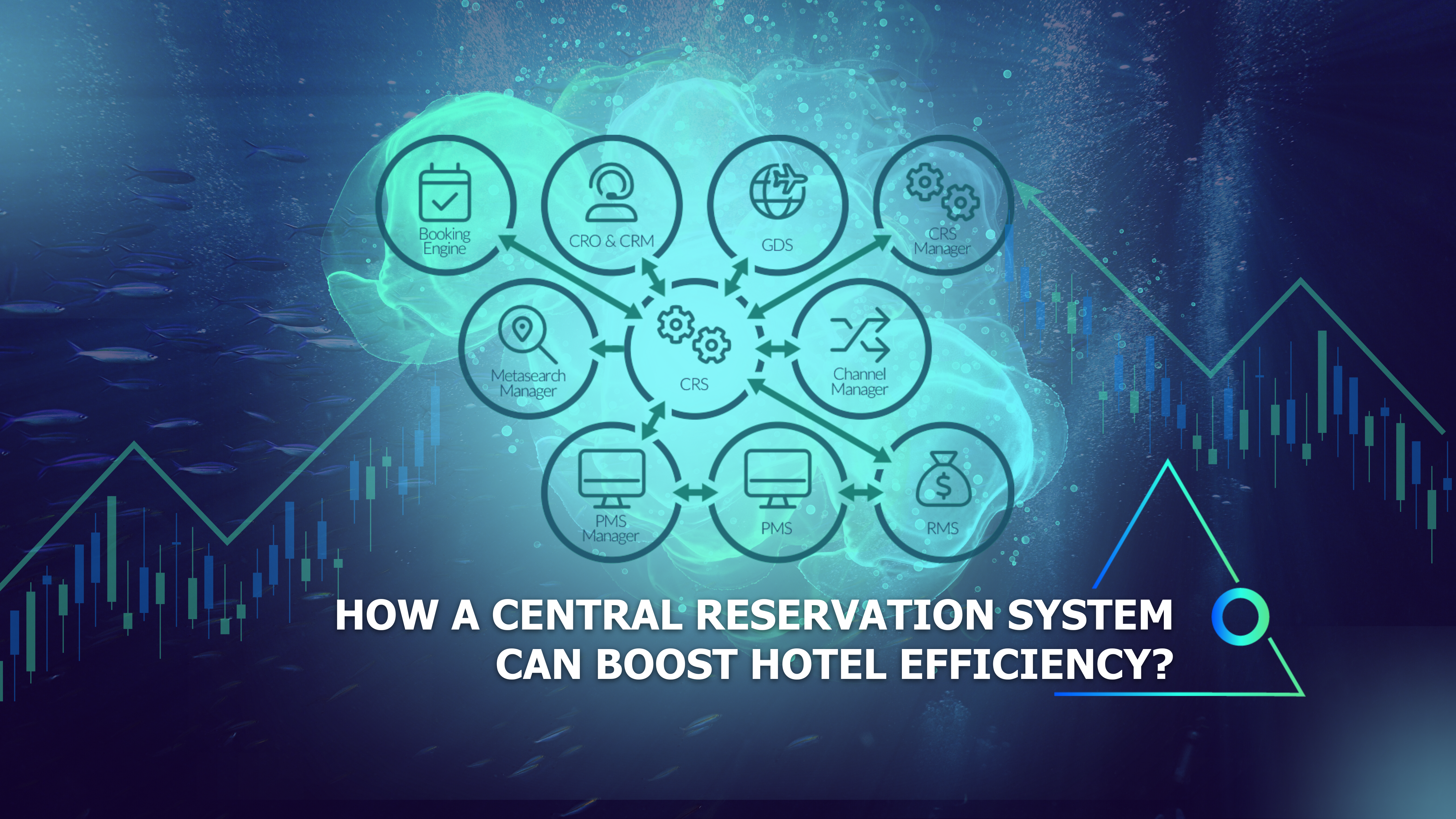
Boost Hotel Efficiency with a Central Reservation System (CRS)

Disruptive Trends & the Future of Hospitality

The Impact of Hotel CRM on Customer Loyalty

Choosing a Revenue Management System for Your Hotel

7 Ways Hospitality Technology Enhances Hotel Operations & Profitability