1
No. of Vendors
1
No. of Products
0
Verified Products
Products (1)

Themis
by Themis Unverified
Financial Crime Prevention and Compliance for hotels
Hotels handle significant cash flows, process high volumes of card transactions, serve international guests, and in some cases operate gaming and foreign exchange facilities. This combination creates exposure to money laundering, fraud, and sanctions violations that regulatory authorities are increasingly focused on. Financial crime compliance in hospitality is no longer simply a concern for casino operators. It extends to any hotel that meets applicable reporting thresholds or serves high-risk customer segments.
Financial Crime Prevention and Compliance platforms for hotels provide the technology infrastructure to identify, monitor, and report suspicious financial activity in accordance with Anti-Money Laundering (AML), Know Your Customer (KYC), and sanctions compliance requirements. This category is particularly relevant for hotels with gaming operations, foreign exchange services, large cash transaction volumes, or operations in jurisdictions with active AML enforcement frameworks.
What is Financial Crime Prevention and Compliance for hotels?
Hotel
Financial
Crime Prevention and Compliance encompasses the technology platforms and
processes that help hotels meet their Anti-Money Laundering (AML), Know Your
Customer (KYC), sanctions screening, and suspicious activity reporting
obligations. These requirements apply to hotels operating above specified
transaction thresholds, those with gaming or foreign exchange operations, and
properties in jurisdictions where hospitality businesses are designated as
reporting entities under national AML frameworks.
Core
functions include:
•
Customer due diligence and KYC identity verification
•
Sanctions screening against international watchlists
•
Suspicious transaction monitoring and reporting workflows
•
Cash transaction reporting above regulatory thresholds
•
AML compliance program management and staff training tracking
Why does Financial Crime Prevention and Compliance matter for hotels?
The
hospitality industry has been identified by financial intelligence units in
multiple jurisdictions as a sector vulnerable to money laundering through cash
payments, inflated service charges, and property transactions. Hotels that fail
to implement adequate AML controls face regulatory penalties, license risk, and
reputational damage. For properties with gaming operations, compliance
obligations are particularly stringent and non-negotiable.
•
Regulatory penalties for AML failures are significant and
increasing:
fines for inadequate AML controls have grown substantially across major
jurisdictions and can threaten operating licenses
•
Hotel-casino properties face the most stringent compliance
obligations: gaming regulators in most jurisdictions impose specific AML
program requirements that require dedicated technology and documented
procedures
•
Sanctions compliance is a legal requirement across all
markets:
processing transactions involving sanctioned individuals or entities creates
criminal liability regardless of whether the hotel was aware
•
Cash-intensive hospitality operations attract regulatory
scrutiny:
hotels with significant cash transaction volumes are more likely to be subject
to AML reporting obligations and regulatory examination
What problems does Financial Crime Prevention and Compliance help solve?
•
Manual sanctions screening that cannot scale: automated screening
against regularly updated watchlists is more reliable and faster than manual
checking processes
•
Inconsistent customer due diligence: structured KYC
workflows ensure consistent identity verification across all applicable guest
interactions regardless of staff member or shift
•
No suspicious transaction monitoring: automated transaction
monitoring identifies unusual patterns that manual review processes
consistently miss
•
Inadequate documentation for regulatory examination: compliance platforms
create the auditable records that regulatory inspections and investigations
require
•
Staff awareness gaps on AML obligations: compliance program
management tools track training completion and policy acknowledgment across all
relevant staff
What capabilities should hotels expect?
•
Automated sanctions screening against current international
watchlists
•
KYC identity verification workflows for applicable guest
categories
•
Transaction monitoring with configurable alert thresholds
•
Suspicious activity report (SAR) preparation and submission
workflows
•
Compliance program management including policy documentation and
staff training tracking
How does Financial Crime Prevention and Compliance fit into the hotel technology ecosystem?
•
Casino operations software: gaming-specific AML requirements
connect casino transaction monitoring with broader hotel compliance programs
•
E-commerce payment platforms: payment transaction
data feeds monitoring systems for unusual pattern detection
•
Financial accounting platforms: large cash
transactions and suspicious activity flagged through compliance monitoring
connects with financial records for investigation
•
Property management systems: guest identity and transaction data
from PMS provides the operational context for compliance monitoring workflows
Which hotel types need Financial Crime Prevention and Compliance most urgently?
•
Hotel-casino properties: gaming operations face the most
stringent AML and compliance obligations across virtually every licensed
jurisdiction
•
Hotels operating foreign exchange services: currency exchange
creates specific AML reporting obligations in most jurisdictions
•
Large urban hotels with significant cash transaction volumes: properties that meet
cash reporting thresholds in their jurisdiction require structured reporting
and monitoring infrastructure
•
Hotels in jurisdictions where hospitality is a designated AML
sector:
some markets have specifically extended AML reporting obligations to hotel
operators above specified revenue or transaction thresholds
What should hotels evaluate before selecting a platform?
•
Jurisdiction-specific compliance coverage: AML requirements vary
significantly by country and the platform must meet the specific obligations
applicable to the hotel's operating locations
•
Sanctions list coverage and update frequency: screening must cover
all relevant international and national watchlists with updates that reflect
current designations
•
Transaction monitoring configurability: alert thresholds and
monitoring rules must be configurable to reflect the hotel's specific
transaction profile and risk assessment
•
Regulatory reporting workflow quality: SAR and cash
transaction report preparation must produce output in the format required by
the relevant financial intelligence unit
•
Audit trail and documentation quality: compliance records
must be comprehensive, searchable, and exportable for regulatory examination
What common mistakes should hotels avoid?
•
Assuming AML obligations only apply to casinos: the extension of AML
reporting requirements to broader hospitality operations in multiple
jurisdictions means hotels without gaming operations may still face compliance
obligations
•
Relying on manual sanctions screening: manual checking
against watchlists that update continuously cannot maintain the screening
accuracy that automated platforms provide
•
No documented AML compliance program: most AML regulations
require a formal written program with designated compliance officer, risk
assessment, and staff training that must be in place before technology
deployment
•
Insufficient staff training on red flag recognition: technology platforms
support compliance but cannot replace the human judgment of trained staff who
recognize suspicious behavior
How has Financial Crime Prevention and Compliance evolved?
AML
and compliance obligations in hospitality have expanded significantly over the
past decade. While casino operations have faced structured AML requirements for
many years, the extension of financial crime compliance frameworks to broader
hospitality operations accelerated from around 2018 onwards as financial
intelligence units identified property and hospitality sectors as money
laundering vulnerabilities. By 2025, automated transaction monitoring and
AI-supported suspicious activity detection had become standard components of
professional hospitality compliance programs in regulated markets.
What trends are shaping Financial Crime Prevention and Compliance?
•
Expanding AML obligations to broader hospitality: regulatory frameworks
in additional jurisdictions are extending formal AML reporting requirements to
hotel operators
•
AI-powered suspicious activity detection: machine learning is
improving the identification of unusual transaction patterns that rule-based
monitoring systems miss
•
Real-time sanctions screening: near-instantaneous
screening against updated watchlists is replacing batch-processing approaches
in compliance infrastructure
•
ESG and reputational risk integration: financial crime
compliance is increasingly considered alongside broader ESG and reputational
risk management frameworks
What impact can Financial Crime Prevention and Compliance platforms deliver?
•
Regulatory compliance with applicable AML and sanctions
requirements
•
Reduced penalty risk through documented, auditable compliance
programs
•
Automated sanctions screening eliminating the gaps in manual
checking processes
•
Consistent KYC and due diligence across all applicable guest
interactions
What should hotels prioritize when comparing providers?
Hotels
evaluating Financial Crime Prevention and Compliance platforms should
prioritize jurisdiction-specific regulatory coverage, sanctions screening
accuracy, and documentation quality above all else, as non-compliance
consequences are severe.
•
Jurisdiction compliance coverage: the platform must
meet the specific AML requirements applicable in each market where the hotel
operates
•
Sanctions screening accuracy and update frequency: watchlist coverage
and update speed are the most critical technical requirements
•
Audit trail and regulatory reporting quality: documentation must
satisfy examination requirements of the relevant financial intelligence unit
• Transaction monitoring configurability: alert rules must reflect the hotel's specific risk profile and transaction patterns
Blogs (5)
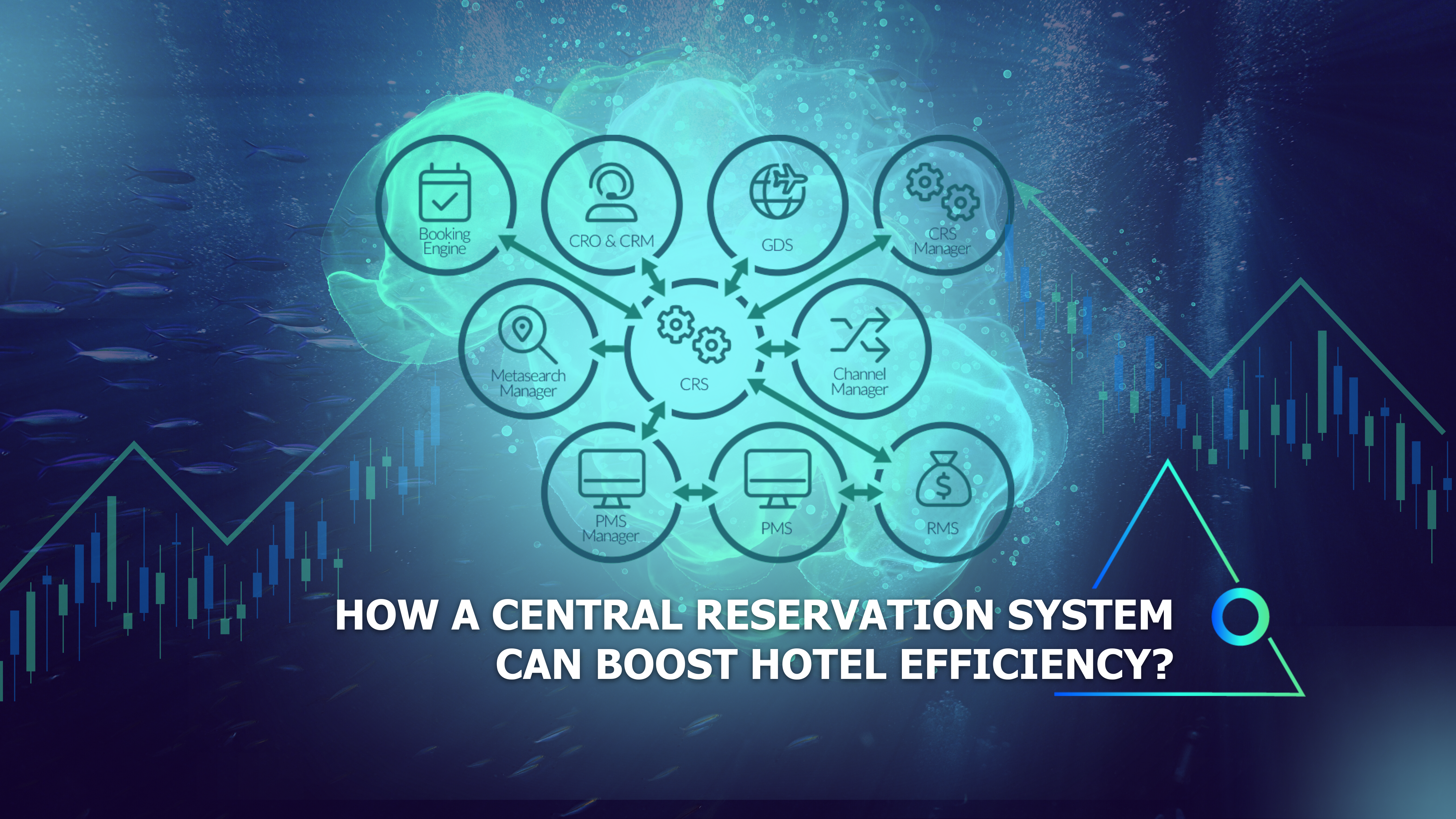
Boost Hotel Efficiency with a Central Reservation System (CRS)

Disruptive Trends & the Future of Hospitality

The Impact of Hotel CRM on Customer Loyalty
Choosing a Revenue Management System for Your Hotel

7 Ways Hospitality Technology Enhances Hotel Operations & Profitability