34
No. of Vendors
40
No. of Products
2
Verified Products
Products (40)

Order & Pay @ Table
by Hippo Vendor verified
qlub pay
by qlubVendor verified
Arryved Online Ordering
by Arryved Unverified
Arryved Mobile App
by ArryvedUnverified
BIMPOS Self Ordering Kiosk
by BimposUnverified
Ordering Mobile App | Bit Soft
by BitSoftUnverified
TableRes Mobile App
by BookingTekUnverified
Mobile Hotel Point-of-sale
by Clock PMSUnverified
Reconciler
by CrunchtimeUnverifiedContactless Solutions for restaurants
The acceleration of contactless dining from 2020 onwards permanently changed guest and diner expectations for how they interact with food and beverage operations. QR code menus, mobile payment, digital ordering at the table, and contactless payment terminals moved from novelty to standard in a remarkably short period. Diners who experienced faster, more convenient contactless experiences do not revert to preferring printed menus and cash payments when circumstances allow.
Contactless Solutions for Restaurants encompass the digital tools that enable guests and diners to browse menus, place orders, and make payments through their own devices or contactless interfaces without requiring physical contact with menus, card machines, or service staff for routine interactions. Modern platforms integrate with restaurant management software and POS systems, digital menus and content management platforms, and e-commerce payment platforms to deliver seamless contactless dining experiences across hotel restaurants, standalone dining venues, bars, and food and beverage operations of all types.
What are Contactless Solutions for restaurants?
Contactless
Solutions for restaurants are the digital platforms and tools that enable diners to
interact with food and beverage services without physical contact with shared
materials or devices. They cover QR code menus, mobile ordering, contactless
payment, digital table ordering systems, and the integration infrastructure
that connects guest-facing contactless tools with kitchen and billing systems.
Core
components include:
•
QR code menu access from diner smartphones without app download
•
Mobile ordering systems allowing guests to place orders from
their own devices
•
Contactless payment acceptance including NFC, digital wallets,
and tap-to-pay
•
Digital table ordering with direct kitchen routing
•
Integration with restaurant management software and POS systems
Why do Contactless Solutions matter for restaurants?
Contactless
dining tools address multiple operational and commercial challenges
simultaneously. They improve service speed by reducing the wait for menus and
payment processing. They reduce staff interruptions for routine ordering and
payment steps. They increase average spend through digital upselling within the
ordering journey. And they deliver the technology-forward dining experience
that a growing proportion of diners actively prefer across all hospitality
settings.
•
Service speed improvement through digital ordering: mobile ordering that
goes directly to the kitchen reduces the time between diner arrival and order
placement
•
Staff efficiency through reduced routine interactions: contactless menus and
payment processing free service staff from routine handing over of physical
materials and payment terminals
•
Higher average spend through digital upselling: mobile ordering
platforms that suggest complementary items and upgrades during the order
journey increase average covers
•
Guest preference for contactless options is sustained: the preference for
contactless interaction that accelerated during 2020 to 2022 has remained as a
lasting behavioral shift across most dining demographics
What problems do Contactless Solutions help solve?
•
Printed menu costs and accuracy issues: QR code digital menus
eliminate print production costs and ensure menu accuracy across all tables
simultaneously
•
Service bottlenecks during busy periods: digital ordering
reduces the service steps requiring staff intervention during peak periods
•
Slow payment processing at busy outlets: contactless payment
terminals and mobile payment capability accelerate the checkout process and
reduce queue formation
•
Limited upsell reach through verbal service: digital ordering
platforms present upsell suggestions consistently to every diner in ways that
verbal service cannot reliably replicate
•
No data on menu item viewing and ordering patterns: digital menus
generate analytics on item views, conversion rates, and abandonment that
printed menus cannot provide
What capabilities should restaurants expect?
•
QR code menu with real-time item availability from restaurant
management software and POS
•
Mobile ordering with direct kitchen routing through kitchen
display systems
•
NFC and digital wallet payment acceptance
•
Order and payment status visibility for diners
•
Integration with restaurant management software and POS systems
and digital menus and content management platforms
How do Contactless Solutions fit into the restaurant technology ecosystem?
•
Restaurant management software and POS: contactless ordering
connects directly with POS for order processing, kitchen routing, and billing
•
Digital menus and content management: QR code menus draw
content from centralized digital menu management platforms for consistent
accuracy
•
Kitchen display systems: mobile orders route to kitchen display
systems through POS integration for consistent production management
•
E-commerce payment platforms: contactless payment
processing connects with the restaurant's payment infrastructure for secure
transaction handling
Which operation types benefit most from Contactless Solutions?
•
High-volume restaurants and casual dining venues: where service speed
and staff efficiency gains from contactless ordering are most commercially
significant
•
Hotel restaurants, bars, and F&B outlets: where contactless
dining integrates with broader hotel guest experience and PMS billing workflows
•
Outdoor, terrace, and poolside dining operations: where contactless
ordering is operationally more practical than traditional service for dispersed
or difficult-to-reach seating
•
Multi-language and internationally oriented venues: where digital menus
in multiple languages remove the service friction of foreign-language menus for
international diners
What should restaurants evaluate before selecting a platform?
•
POS integration reliability: contactless orders that do not connect
reliably with the POS create the operational failures that undermine the
service benefit
•
Guest experience quality on mobile: the ordering flow
must be intuitive on all mobile device types without requiring app download
•
Menu accuracy through digital content integration: real-time
availability and pricing from the POS ensures diners cannot order unavailable
items
•
Payment method coverage: NFC, Apple Pay, Google Pay, and card
payment must all be supported for maximum contactless payment adoption
•
Kitchen display system connectivity: orders placed through
contactless channels must route to kitchen screens with the same workflow as
server-entered orders
What common mistakes should restaurants avoid?
•
Removing all staffed service options: contactless solutions
should supplement rather than replace service options for guests who prefer
personal interaction
•
QR codes that link to PDF menus rather than interactive
platforms:
PDF menus delivered through QR codes provide format convenience without the
ordering, upselling, or analytics capabilities of interactive platforms
•
No staff training on contactless order management: service teams must
understand how contactless orders flow through the system and how to manage
diner assistance when technology issues arise
•
Inconsistent contactless experience across outlets: diners who encounter
contactless ordering in one venue but not another within the same property have
a fragmented experience
How have Contactless Restaurant Solutions evolved?
Contactless
dining technology evolved rapidly from a hygiene-motivated response in 2020
into a permanent feature of the restaurant technology landscape. QR code menu
adoption was already growing before 2020 but accelerated dramatically during
that period across hotel restaurants, standalone venues, bars, and casual
dining operations of all types. By 2025, integrated contactless ordering
platforms combining QR menus, mobile ordering, and contactless payment had
become standard technology investment considerations for professionally
operated food and beverage businesses rather than discretionary additions.
What trends are shaping Contactless Restaurant Solutions?
•
Full contactless dining journeys from arrival to payment: platforms are
supporting the complete dining experience from menu browsing through ordering,
kitchen routing, and payment without any physical touchpoints
•
AI-powered personalized upselling in digital ordering: machine learning is
improving the relevance and timing of upsell suggestions within mobile ordering
flows
•
Integration with loyalty and guest profiles: contactless ordering
is connecting with customer loyalty software to recognize returning diners and
apply member benefits during the dining journey
•
Analytics from digital ordering informing menu engineering: ordering data from
contactless platforms is feeding food costing software and menu engineering
decisions with more granular conversion intelligence
What impact can Contactless Restaurant Solutions deliver?
•
Improved service speed through digital ordering reducing time
from arrival to kitchen
•
Increased average spend through consistent digital upselling
during order placement
•
Staff efficiency gains through reduced routine menu and payment
handling steps
•
Eliminated printed menu costs through QR code digital menu
delivery
What should restaurants prioritize when comparing Contactless Solution providers?
Restaurants
and hospitality operations evaluating Contactless Solutions should prioritize
POS integration reliability, mobile ordering experience quality, payment method
coverage, and kitchen display system connectivity as the primary criteria.
•
POS integration reliability: contactless orders must flow into the
POS consistently for kitchen routing and billing accuracy
•
Mobile ordering experience quality: the guest-facing
ordering flow must be intuitive across all device types without app download
•
Payment method coverage: all major contactless payment methods
must be supported
• Kitchen display system connectivity: contactless orders must route to kitchen screens with the same workflow as all other order types
Blogs (5)
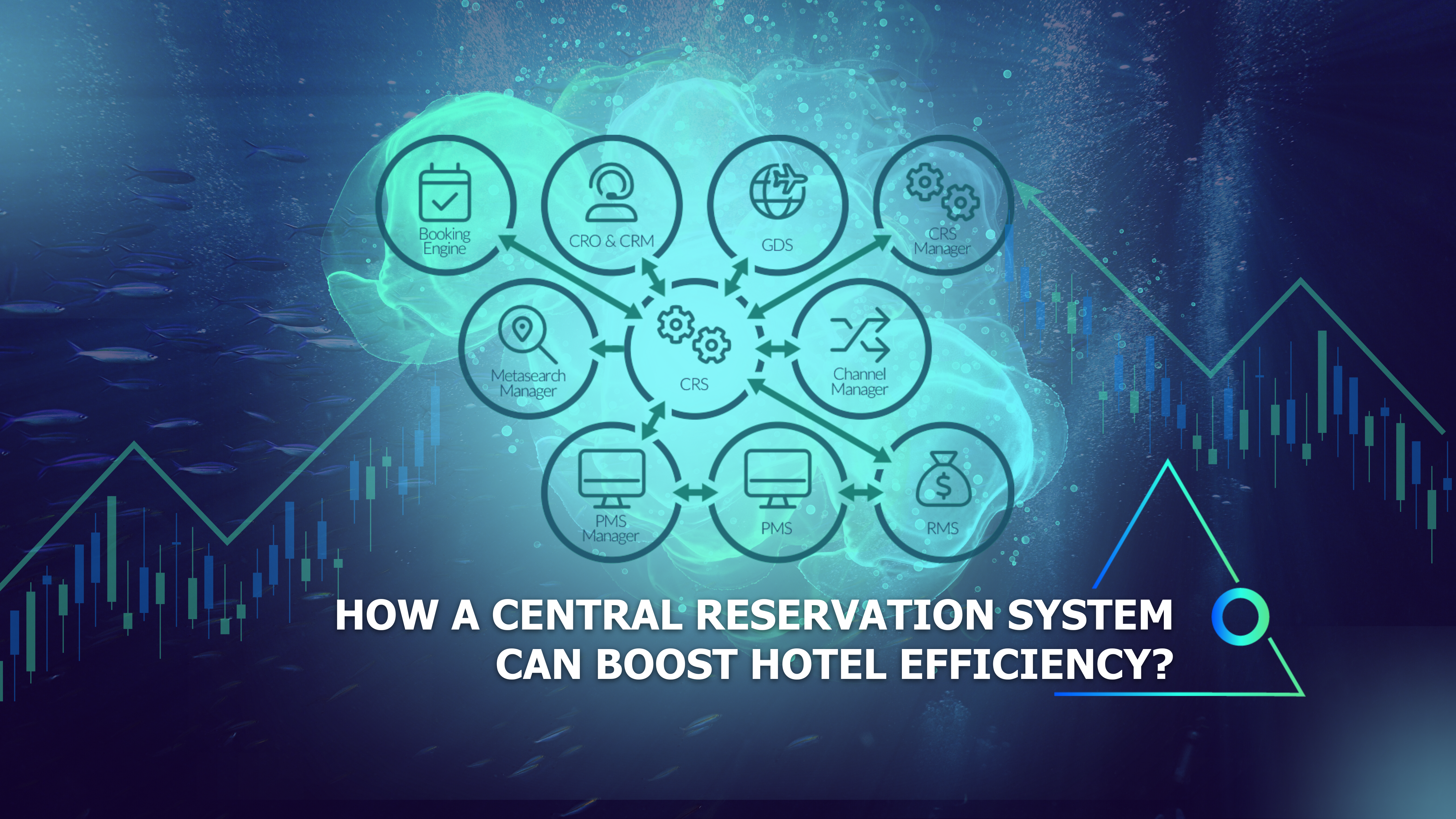
Boost Hotel Efficiency with a Central Reservation System (CRS)

Disruptive Trends & the Future of Hospitality

The Impact of Hotel CRM on Customer Loyalty
Choosing a Revenue Management System for Your Hotel

7 Ways Hospitality Technology Enhances Hotel Operations & Profitability