2
No. of Vendors
2
No. of Products
0
Verified Products

Carlos Abou-Diwan
Technology systems design & implementationProducts (2)

DTiQ's Intelligent Video solutions
by DTIQ Unverified
Ipsotek VISuite AI
by IpsotekUnverifiedSecurity and Surveillance Solutions for hotels
Hospitality businesses carry a duty of care to guests, staff, and assets across complex, high-traffic environments that operate around the clock. A security failure at any point, whether a breach of access, an undetected incident, or an inadequate response, creates liability exposure, reputational damage, and in the most serious cases, harm to the people the hotel is responsible for protecting.
Security and Surveillance Solutions for hotels encompass the integrated systems that monitor activity, detect threats, control access, and coordinate response across the full property environment. These solutions go beyond CCTV and access control as standalone systems, combining video surveillance, intrusion detection, fire alarm integration, and access management into a unified security platform that gives operators comprehensive visibility and control over property safety.
What are Security and Surveillance Solutions for hotels?
Security
and Surveillance Solutions are integrated technology systems designed to protect
hospitality businesses, their guests, and their staff. They combine video
surveillance, access control, intrusion detection, fire alarm systems, and
security management platforms into a coordinated security environment that
monitors activity, identifies threats, and supports rapid response.
Core
components include:
•
Video surveillance including IP camera networks and intelligent
video analytics
•
Access control and door lock technology for guest rooms, staff
areas, and operational zones
•
Intrusion detection including perimeter sensors, motion
detectors, and alarm systems
•
Fire detection and alarm integration
•
Security management platform consolidating monitoring and
incident management
Why do Security and Surveillance Solutions matter for hotels?
Hotels
accommodate guests who are in an unfamiliar environment, trusting the property
to keep them safe. They manage high-value assets, handle significant cash and
payment flows, and operate public areas accessible to non-guests. Each of these
dimensions creates security obligations that integrated solutions address more
effectively than disconnected point systems.
•
Duty of care is a legal and ethical obligation: hotels that cannot
demonstrate adequate security measures face significant liability exposure when
incidents occur on property
•
Integrated systems respond faster than disconnected ones: a security management
platform that connects cameras, access control, and alarm systems enables
coordinated response that separate systems cannot achieve
•
Visible security infrastructure deters incidents: the presence of
cameras, controlled access, and evident security management reduces the
incidence of theft, vandalism, and unauthorized activity
•
Regulatory and insurance requirements mandate security
infrastructure: many operating licenses, brand standards, and insurance
policies specify minimum security system requirements that hotels must maintain
What problems do Security and Surveillance Solutions help solve?
•
Disconnected security systems with no unified monitoring: integrated platforms
consolidate video, access, and alarm monitoring into a single environment with
coordinated alerting
•
Slow incident response due to fragmented information: unified security
management gives responders immediate access to camera feeds, access logs, and
alarm status simultaneously
•
Limited coverage of large or complex properties: comprehensive IP
camera networks with intelligent analytics provide coverage that periodic
physical patrols cannot achieve
•
No audit trail for security incidents: integrated systems
create complete event logs combining access records, camera footage, and alarm
activity for investigation and legal purposes
•
Outdated analogue infrastructure with poor capability: modern IP-based
solutions provide significantly better image quality, integration capability,
and analytical intelligence than legacy analogue systems
What capabilities should hotels expect?
•
IP camera network with HD resolution and intelligent video
analytics
•
Integrated access control and door lock technology management
•
Intrusion detection with configurable zone management and
alerting
•
Unified security management platform with real-time monitoring
dashboard
•
Integration with property management systems and building
operation systems
How do Security and Surveillance Solutions fit into the hotel technology ecosystem?
•
Property management systems: PMS integration provides real-time
guest information and context that supports access control decisions and
incident investigation
•
Access control and door lock technology: integrated access
management connects credential issuance and revocation with broader security
monitoring
•
Building operation systems: security systems coordinate with
building automation for environmental and safety response to security events
•
Facility management software: security incident
records connect with maintenance and operational management workflows
Which hotel types benefit most?
•
Large urban hotels with complex public area security
requirements: where high footfall, multiple access points, and public area
exposure create the most demanding security monitoring environments
•
Luxury and high-profile properties: where guest privacy,
asset value, and reputational stakes create specific security obligations
beyond standard requirements
•
Hotels with conference and event facilities: where temporary
high-occupancy events create elevated and variable security requirements
•
Resort properties with extensive grounds and facilities: where perimeter
security, outdoor coverage, and distributed facility management create complex
surveillance requirements
What should hotels evaluate before selecting a platform?
•
System integration depth: assess how effectively cameras, access
control, intrusion detection, and fire systems connect within the management
platform
•
Camera specification for specific environments: indoor, outdoor,
low-light, and wide-angle requirements vary across hotel environments and must
be matched to appropriate hardware
•
Intelligent analytics capability: motion detection,
anomaly identification, and video search tools determine operational usability
beyond basic recording
•
Scalability for property expansion: security
infrastructure should accommodate future property changes without requiring
complete system replacement
•
Regulatory and data protection compliance: CCTV footage
retention, access controls, and facial recognition usage must comply with local
data protection legislation
What common mistakes should hotels avoid?
•
Treating security as a series of disconnected point solutions: cameras, access
control, and alarms that operate independently cannot deliver the coordinated
response that integrated platforms provide
•
Insufficient coverage design: gaps in security
coverage are most frequently identified during incident investigations when the
missing footage or access data is most needed
•
No defined incident response protocols: security
infrastructure only delivers its protective value when staff know how to use it
and respond appropriately to alerts
•
Outdated analogue systems maintained beyond useful life: legacy analogue
security systems create increasing cost and diminishing capability that modern
IP solutions address
How have Security and Surveillance Solutions evolved?
Hotel
security technology has evolved from standalone analogue cameras and mechanical
access systems into integrated digital security management platforms. The shift
to IP-based infrastructure from around 2010 transformed image quality,
integration capability, and analytical intelligence simultaneously. By 2025,
AI-powered video analytics, cloud-based security management, and unified access
and surveillance platforms had become standard expectations for new hotel
security deployments.
What trends are shaping Security and Surveillance Solutions?
•
AI-powered video analytics: machine learning is enabling real-time
anomaly detection, crowd analysis, and behavioral pattern recognition
•
Unified physical security management: convergence of video,
access, and intrusion management into single platforms is replacing
best-of-breed point solutions
•
Cloud-based security management: cloud-hosted
platforms are enabling remote monitoring, centralized multi-property
management, and cost-effective storage
•
Privacy regulation impact on surveillance: GDPR and similar
frameworks are creating specific requirements for camera coverage, retention
periods, and analytics use that procurement must address
What impact can Security and Surveillance Solutions deliver?
•
Comprehensive property coverage deterring incidents and
supporting rapid response
•
Complete incident investigation capability through integrated
event logs and footage
•
Regulatory and insurance compliance through documented security
infrastructure
•
Coordinated security response through unified monitoring and
alerting
What should hotels prioritize when comparing providers?
Hotels
evaluating Security and Surveillance Solutions should look beyond individual
system components and assess how effectively a platform integrates multiple
security disciplines into a unified monitoring and response environment.
•
System integration and platform unification: the most important
differentiator is how effectively cameras, access control, and alarms connect
within a single management environment
•
Coverage design and camera specification: professional site
survey and placement planning is essential for effective surveillance
•
Intelligent analytics capability: detection and search
tools determine operational usability beyond basic recording
• Compliance and data protection: retention periods, access controls, and analytics usage must meet local regulatory requirements
Blogs (5)
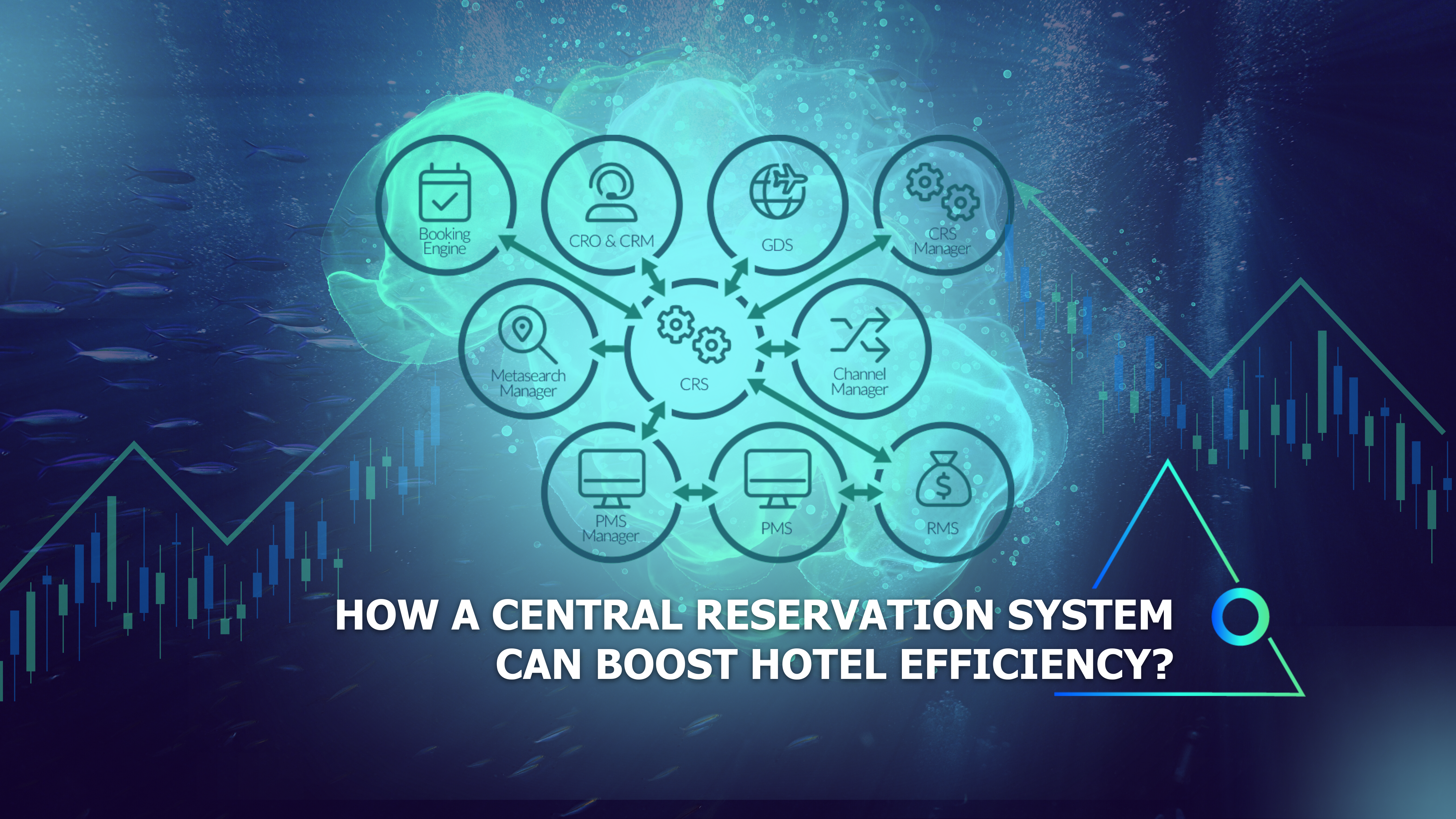
Boost Hotel Efficiency with a Central Reservation System (CRS)

Disruptive Trends & the Future of Hospitality

The Impact of Hotel CRM on Customer Loyalty

Choosing a Revenue Management System for Your Hotel

7 Ways Hospitality Technology Enhances Hotel Operations & Profitability