13
No. of Vendors
13
No. of Products
2
Verified Products
Products (13)

PayDocker
by Bakuun Vendor verified
Katanox
by Katanox Partially verified
Basware e-Invoice
by Basware Unverified
EDICOM Opera Cloud Electronic Invoice
by EDICOMUnverified
FL -Opera
by FacturaListaUnverified
Gosocket
by GosocketUnverified
HyperPay Billing
by HyperPayUnverified
Mysatcom Electronic Billing
by mySatcomUnverified
Nunsam
by NunsamUnverifiedB2B Payment and E-invoicing Solutions for hotels
Business-to-business payment and invoicing in hotels involves significant transaction volumes between the hotel and its corporate clients, travel management companies, event organizers, and suppliers. Paper invoices, manual payment processes, and disconnected billing workflows create administrative overhead, payment delays, reconciliation errors, and the relationship friction that professional B2B financial management should eliminate.
B2B Payment and E-invoicing Solutions for hotels provide the digital infrastructure to issue, receive, process, and reconcile business-to-business invoices and payments electronically. Modern platforms integrate with financial accounting platforms, property management systems, and vendor and supplier payment platforms to create streamlined B2B financial workflows that reduce cost, improve accuracy, and accelerate payment cycles for both the hotel and its business partners.
What are B2B Payment and E-invoicing Solutions for hotels?
B2B
Payment and E-invoicing Solutions are platforms that digitize the invoicing and
payment workflows between hotels and their business counterparts including
corporate clients, travel management companies, event planners, group
organizers, and suppliers. They replace paper invoices and manual payment
processes with electronic document exchange, automated reconciliation, and
structured payment workflows.
Core
functions include:
•
Electronic invoice generation and delivery to corporate clients
and business partners
•
Structured invoice receipt and processing from suppliers and
partners
•
B2B payment processing including bank transfer, virtual card,
and direct debit
•
Automated reconciliation against reservations, contracts, and
purchase orders
•
Integration with financial accounting platforms and property
management systems
Why do B2B Payment and E-invoicing Solutions matter for hotels?
Hotels
generate significant B2B billing activity. Corporate account invoicing, group
and event billing, travel agent commission payments, OTA settlement
reconciliation, and supplier invoice management all involve
business-to-business financial flows that manual processes handle
inefficiently. The administrative cost, payment delay, and reconciliation
complexity of paper-based B2B invoicing creates friction in commercial
relationships that digital solutions resolve.
•
Corporate client billing expectations have shifted to digital: business travel
managers and procurement teams increasingly require electronic invoices in
structured formats for their own accounts payable automation
•
Group and event billing complexity requires structured
management:
post-event invoicing for conferences and groups involves multiple line items,
adjustments, and approval steps that manual processes handle inconsistently
•
Supplier e-invoicing reduces accounts payable processing cost: electronic invoices
that arrive in structured formats enable automated processing that reduces the
cost and error rate of manual invoice keying
•
Reconciliation accuracy affects financial reporting quality: automated matching of
B2B payments against reservations and contracts reduces the reconciliation gaps
that manual processes create
What problems do B2B Payment and E-invoicing platforms help solve?
•
Manual invoice generation consuming finance team time: automated invoice
production from reservation and billing system data eliminates manual invoice
creation for corporate clients and group organizers
•
Paper invoice processing delays from suppliers: electronic invoice
receipt in structured formats enables faster processing and payment than paper
alternatives
•
Reconciliation gaps between B2B payments and system records: automated matching of
received payments against invoices and reservations reduces the manual
reconciliation workload
•
Corporate client billing disputes from inaccurate invoices: invoice generation
directly from property management system data reduces the billing errors that
manual compilation creates
•
No visibility into outstanding B2B receivables: centralized
e-invoicing platforms provide real-time visibility into issued invoices,
payment status, and aged receivable balances
What capabilities should hotels expect?
•
Automated invoice generation from property management system
billing data
•
Electronic invoice delivery through email, portal, or EDI
connectivity
•
Structured invoice receipt and validation from suppliers
•
Payment status tracking and automated payment reminders
•
Integration with financial accounting platforms and property
management systems
How do B2B Payment and E-invoicing platforms fit into the hotel technology ecosystem?
•
Property management systems: PMS billing data drives automated
invoice generation for corporate clients, groups, and events
•
Financial accounting platforms: B2B invoice and
payment data posts automatically to accounts receivable and accounts payable in
financial accounting systems
•
Vendor and supplier payment platforms: supplier e-invoicing
connects with payment execution infrastructure for structured AP workflows
•
Financial planning and reporting: B2B receivables and
payables data feeds cash flow forecasting and financial planning systems
Which hotel types benefit most?
•
Hotels with high corporate account billing volumes: where the frequency
of business client invoicing creates significant manual processing overhead
•
Conference and event hotels: where complex post-event billing with
multiple adjustments and approvals creates the most B2B invoicing complexity
•
Hotels with large direct booking corporate programs: where structured
electronic invoicing is a client requirement for corporate travel program
participation
•
Multi-property hotel groups: that manage centralized B2B billing
across properties and require consistent electronic invoicing standards
What should hotels evaluate before selecting a platform?
•
PMS integration for automated invoice generation: direct data feeds
from property management systems eliminate manual invoice creation and reduce
billing errors
•
Corporate client format compatibility: electronic invoices
must be deliverable in the formats and through the channels that the hotel's
corporate clients require
•
Supplier e-invoicing connectivity: structured receipt
from key suppliers should be supported through the platform's network or direct
connectivity
•
Financial accounting integration: B2B transaction data
must post accurately and automatically to accounts receivable and payable
•
Receivables management capability: payment tracking,
automated reminders, and aged debt visibility are important for corporate
billing management
What common mistakes should hotels avoid?
•
Generating e-invoices manually rather than from system data: electronic invoices
that are manually compiled provide the format benefits of digital delivery
without eliminating the error risk of manual data entry
•
No corporate client format assessment before implementation: corporate clients and
travel management companies have specific invoice format requirements that must
be understood before platform selection
•
Disconnecting e-invoicing from financial accounting: B2B invoices that are
generated and tracked in a separate system from financial accounting create
reconciliation work that defeats the efficiency purpose
•
Insufficient supplier onboarding to electronic invoicing: e-invoicing benefits
for accounts payable only materialize when suppliers are actively submitting
invoices electronically rather than continuing paper processes
How have B2B Payment and E-invoicing Solutions evolved?
B2B
invoicing in hospitality has evolved from paper billing and manual payment
processes into connected electronic invoicing platforms. Regulatory mandates
for e-invoicing in several European and Asian markets from around 2020
accelerated adoption beyond voluntary efficiency adoption. By 2025, structured
e-invoicing with automated reconciliation had become a standard capability
expectation for hotels managing significant corporate account and supplier
invoice volumes.
What trends are shaping B2B Payment and E-invoicing?
•
Regulatory e-invoicing mandates expanding: mandatory electronic
invoicing requirements are extending to additional jurisdictions and business
types, making platform adoption increasingly a compliance rather than
efficiency decision
•
Real-time payment networks for B2B settlement: faster payment
infrastructure is reducing the payment cycle for B2B hotel transactions in
markets with instant payment capability
•
AI-powered invoice matching and reconciliation: machine learning is
improving the accuracy of automated matching between invoices, payments, and
reservation records
•
Integrated B2B commerce platforms: e-invoicing is
converging with procurement, contract management, and payment platforms into
unified B2B commerce environments
What impact can B2B Payment and E-invoicing Solutions deliver?
•
Reduced finance team time on manual invoice generation and
processing
•
Faster payment cycles through electronic delivery and automated
processing
•
Improved billing accuracy through PMS-integrated invoice
generation
•
Better B2B receivables visibility through centralized invoice
and payment tracking
What should hotels prioritize when comparing providers?
Hotels
evaluating B2B Payment and E-invoicing platforms should prioritize PMS
integration for automated invoice generation, corporate client format
compatibility, financial accounting integration, and receivables management
capability.
•
PMS integration for automated invoice generation: direct billing data
feeds eliminate manual invoice creation and reduce errors
•
Corporate client format compatibility: invoice delivery must
meet the requirements of the hotel's actual business client base
•
Financial accounting integration: B2B transaction data
must post automatically to accounting systems
• Receivables management capability: payment tracking and aged debt visibility are important for corporate account management
Blogs (5)
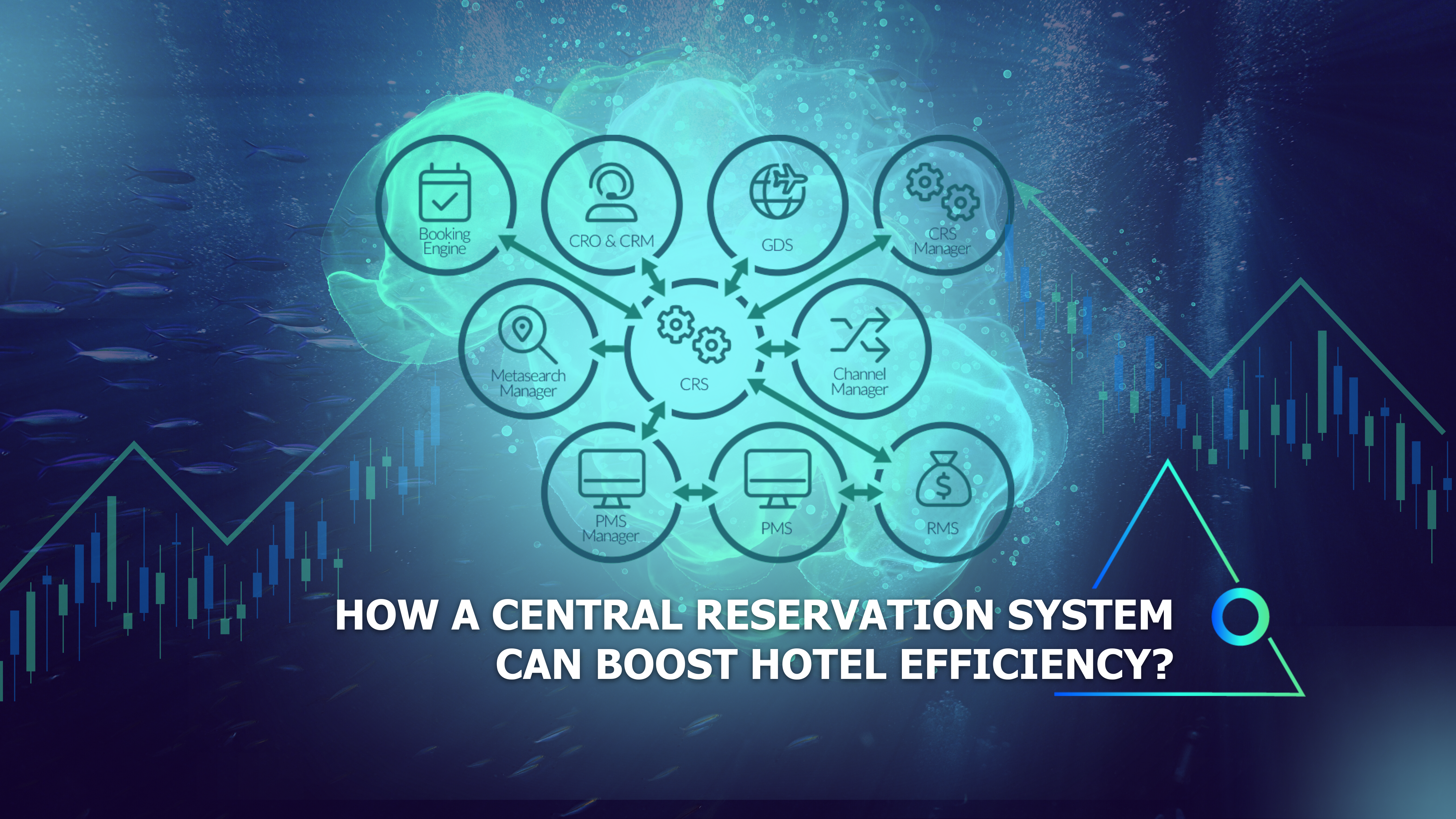
Boost Hotel Efficiency with a Central Reservation System (CRS)

Disruptive Trends & the Future of Hospitality

The Impact of Hotel CRM on Customer Loyalty
Choosing a Revenue Management System for Your Hotel

7 Ways Hospitality Technology Enhances Hotel Operations & Profitability