1
No. of Vendors
1
No. of Products
0
Verified Products
Products (1)

HeadsUp
by HeadsUp Unverified
Procurement Analytics and Benchmarking for hotels
Food and beverage purchasing is one of the largest and most variable cost categories in hotel operations. Ingredient prices fluctuate with market conditions, supplier contracts vary in quality and value, and purchasing decisions made without data consistently result in overspending that erodes F&B margins without anyone realizing how much is being lost.
Procurement Analytics and Benchmarking platforms give hotel F&B and finance teams the data intelligence to understand their purchasing performance, compare costs against market benchmarks, identify supplier pricing anomalies, and make more informed procurement decisions. Modern solutions connect with hospitality procurement software and restaurant accounting software to create an analytical layer that transforms purchasing data into actionable commercial intelligence.
What is Procurement Analytics and Benchmarking for hotels?
Procurement
Analytics and Benchmarking refers to technology platforms that analyze hotel
purchasing data against market price benchmarks, historical trends, and
comparable property performance to identify cost reduction opportunities,
supplier pricing inconsistencies, and procurement efficiency gaps.
Core
functions include:
•
Ingredient and supply price benchmarking against market rates
•
Supplier pricing comparison and contract compliance monitoring
•
Spend analysis by category, supplier, and department
•
Price variance alerting when supplier charges exceed benchmarks
•
Integration with hospitality procurement software and restaurant
accounting software
Why does Procurement Analytics and Benchmarking matter for hotels?
Food
cost is typically the single largest variable cost in hotel F&B operations.
Most hotels negotiate supplier contracts annually and then purchase against
those agreed prices without systematic verification that the prices charged
match what was agreed, or whether better market rates have become available.
Procurement analytics surfaces both problems continuously.
•
Supplier price drift is common and rarely detected without
benchmarking: suppliers who charge above agreed contract rates on individual
invoices rarely correct these errors unless the hotel has systems to identify
them
•
Market price movements create purchasing opportunities: ingredients whose
market prices have fallen significantly below contracted rates represent
negotiation opportunities that manual tracking cannot identify consistently
•
Spend visibility drives cost reduction: understanding which
categories, suppliers, and departments account for the most purchasing spend is
a prerequisite for targeted cost management
•
Multi-property groups need comparative benchmarking: understanding whether
one property's food costs are significantly higher than comparable properties
identifies outlier situations requiring investigation
What problems does Procurement Analytics and Benchmarking help solve?
•
Unknown supplier pricing compliance: automated comparison
of invoice prices against contracted rates identifies overcharges that manual
invoice review consistently misses
•
No market price context for procurement decisions: benchmarking against
market rates reveals whether current supplier pricing is competitive or
significantly above what alternatives would cost
•
Limited F&B cost visibility by category and supplier: spend analytics
provides the granular data that finance and F&B teams need for targeted
cost management
•
Reactive procurement without forward-looking intelligence: price trend analysis
and market benchmarking enables proactive procurement decisions rather than
simply responding to supplier invoices
•
No performance comparison across multi-property portfolios: centralized analytics
surfaces the cost performance differences between properties that drive
portfolio-wide improvement conversations
What capabilities should hotels expect?
•
Market price database covering key F&B ingredient and supply
categories
•
Automated supplier invoice price comparison against contracted
rates and market benchmarks
•
Spend analysis dashboards by category, supplier, department, and
period
•
Price variance alerts with configurable thresholds
•
Integration with hospitality procurement software and restaurant
accounting software
How does Procurement Analytics and Benchmarking fit into the hotel technology ecosystem?
•
Hospitality procurement software: provides the
purchasing transaction data that analytics platforms analyze for benchmarking
and variance identification
•
Restaurant accounting software: supplies F&B cost
of sales data for integrated food cost analysis alongside procurement
benchmarking
•
Financial planning and reporting: procurement analytics
data feeds F&B cost variance reporting in financial management systems
•
Restaurant management software and POS: sales and menu mix
data connects with procurement analytics for integrated food cost and margin
analysis
Which hotel types benefit most?
•
Full-service hotels with significant F&B purchasing
volumes:
where the scale of food and beverage procurement creates the greatest
analytical opportunity for cost reduction
•
Multi-property hotel groups: where cross-property benchmarking
identifies the procurement performance gaps that drive portfolio-wide
improvement
•
Hotels with multiple food and beverage outlets: where purchasing
complexity across different cuisine types and service styles creates
benchmarking value
•
Hotels under active cost reduction programs: where procurement
analytics provides the evidence base for targeted savings conversations with
suppliers
What should hotels evaluate before selecting a platform?
•
Market price database quality and coverage: the benchmarking
value depends entirely on the accuracy and breadth of the market price data the
platform provides
•
Procurement system integration: the platform must
connect with existing hospitality procurement software for automated data
ingestion
•
Variance detection accuracy: false positive alerts that flag
acceptable price variations waste team time and reduce trust in the analytics
•
Reporting accessibility: spend analytics and benchmarking
reports must be accessible to F&B managers and finance teams without
specialist data skills
•
Geographic price coverage: market benchmarks must reflect the
local supplier market relevant to the hotel's location rather than generic
national averages
What common mistakes should hotels avoid?
•
Treating benchmarking as a one-time exercise: market prices change
continuously and supplier pricing compliance requires ongoing monitoring rather
than periodic reviews
•
No supplier engagement process for identified variances: analytics that
identifies pricing issues without a defined process for raising and resolving
them with suppliers produces findings without commercial action
•
Insufficient integration with procurement workflows: procurement analytics
that operates independently from hospitality procurement software requires
manual data export that reduces accuracy and timeliness
•
Focusing only on price without considering quality and
service:
lowest price is not always the best procurement decision, and benchmarking
should inform rather than automatically dictate purchasing choices
How has Procurement Analytics and Benchmarking evolved?
F&B
procurement analytics has evolved from manual price comparison spreadsheets
into connected platforms with real-time market benchmarking. The growth of
digital procurement in hospitality from around 2018 created the transactional
data infrastructure that meaningful analytics requires. By 2025, AI-powered
price anomaly detection and automated supplier compliance monitoring had become
available within leading hospitality procurement analytics platforms.
What trends are shaping Procurement Analytics and Benchmarking?
•
AI-powered price anomaly detection: machine learning is
improving the identification of supplier pricing patterns that indicate
systematic overcharging or contract non-compliance
•
Sustainability procurement scoring: platforms are
incorporating environmental and social supplier ratings alongside price
benchmarking
•
Real-time market price integration: live commodity and
ingredient price feeds are enabling more current benchmarking than periodic
market surveys
•
Predictive procurement intelligence: platforms are
beginning to forecast price trends that enable forward purchasing decisions for
high-value ingredients
What impact can Procurement Analytics and Benchmarking deliver?
•
Identified and quantified supplier pricing overcharges with
recovery pathways
•
Improved F&B food cost through evidence-based procurement
negotiations
•
Better spend visibility enabling targeted category cost
management
•
Cross-property benchmarking driving portfolio-wide procurement
improvement
What should hotels prioritize when comparing providers?
Hotels
evaluating Procurement Analytics and Benchmarking platforms should prioritize
market price data quality, procurement system integration, and the
actionability of variance reporting as the primary criteria.
•
Market price database accuracy and local relevance: benchmarking is only
valuable if the market data reflects the hotel's actual purchasing environment
•
Procurement system integration: automated data
ingestion from hospitality procurement software is essential for reliable and
timely analytics
•
Variance detection and alerting quality: price compliance
monitoring must be accurate enough to trust and act upon
• Reporting accessibility for operational teams: F&B and finance managers must be able to use analytics outputs without specialist data skills
Blogs (5)
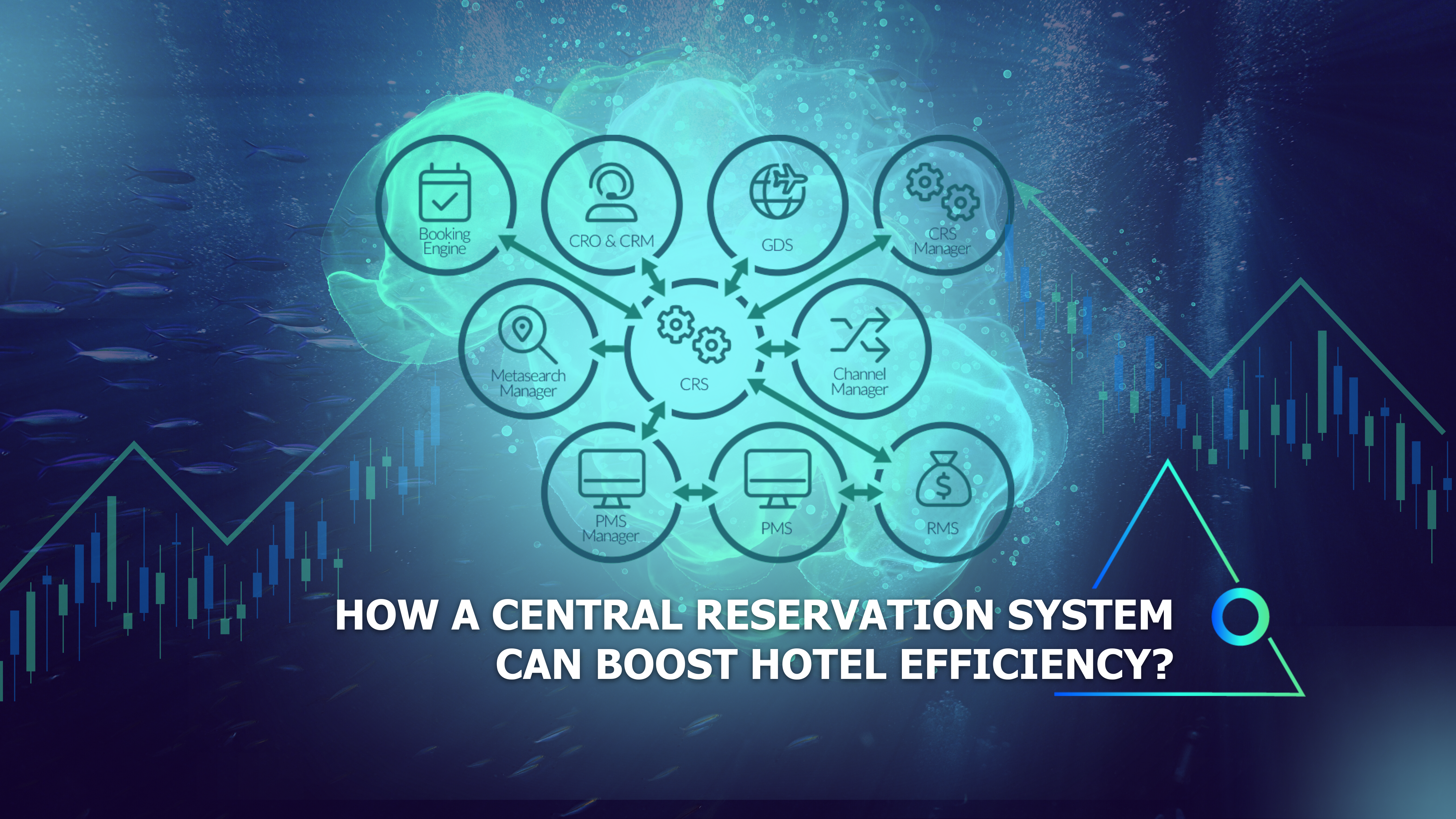
Boost Hotel Efficiency with a Central Reservation System (CRS)

Disruptive Trends & the Future of Hospitality

The Impact of Hotel CRM on Customer Loyalty
Choosing a Revenue Management System for Your Hotel
7 Ways Hospitality Technology Enhances Hotel Operations & Profitability