4
No. of Vendors
4
No. of Products
0
Verified Products
Products (4)

Mindfire Managed Security Services
by Mindfire Technologies Unverified
SecValMSSP
by Security validationUnverified
Spirit Cyber Security
by Spirit TelecomUnverified
WiJungle
by Wi-JungleUnverifiedCyber Security Services for Hotels
Hotels handle some of the most sensitive personal and financial data in any consumer-facing industry. Guest payment details, passport information, loyalty credentials, and behavioral data flow across dozens of connected systems simultaneously, creating an attack surface that cybercriminals increasingly target. A single breach can result in regulatory penalties, reputational damage, and operational disruption that takes years to fully recover from.
Hospitality Cyber Security Services encompass the specialist providers, managed security service providers, and consultants that help hotels assess vulnerabilities, implement protective infrastructure, maintain compliance, and respond effectively to security incidents. As hospitality technology environments become more connected and complex, cyber security has shifted from an IT concern into a board-level commercial and operational priority.
What are Hospitality Cyber Security Services?
Hospitality
Cyber Security Services are specialist providers that help hotels protect their
technology environments, guest data, and operational infrastructure from cyber
threats. Services range from vulnerability assessments and penetration testing
to managed detection and response, PCI DSS compliance support, staff training,
and incident response planning.
Core
service areas include:
•
Vulnerability assessment and penetration testing
•
PCI DSS compliance management and payment security
•
Managed detection and response (MDR) services
•
Network security architecture and implementation
•
Security awareness training for hotel staff
Why do cyber security services matter for hotels?
The
hospitality industry has been one of the most frequently targeted sectors for
cyber attacks over the past decade. High volumes of payment card transactions,
large databases of guest personal data, and complex multi-vendor technology
environments create significant exposure. In 2026, the regulatory consequences
of a data breach have become more severe under GDPR, PCI DSS v4.0, and
increasingly stringent national data protection frameworks.
•
Payment card data makes hotels a high-value target: hotels process high
volumes of card transactions across multiple systems, creating persistent PCI
compliance obligations and payment security risks
•
Connected technology environments expand the attack surface: modern hotel tech
stacks with dozens of integrated systems create multiple potential entry points
that require coordinated security management
•
Staff remain the most exploited vulnerability: phishing attacks,
social engineering, and credential theft consistently target hotel employees
across all departments
•
Regulatory penalties for breaches are increasing: GDPR fines, PCI DSS
penalties, and national data protection frameworks make the financial
consequences of inadequate security severe
What problems do cyber security services help hotels solve?
•
Unknown vulnerabilities across the technology stack: hotels often lack
visibility into where their security weaknesses lie until a specialist
assessment surfaces them
•
PCI DSS compliance gaps: payment security compliance is
complex, evolving, and requires specialist expertise to maintain consistently
across all payment touchpoints
•
Insufficient incident response capability: hotels that have not
prepared and tested incident response plans face significantly worse outcomes
when security events occur
•
Inadequate staff security awareness: most successful cyber
attacks exploit human behavior rather than technical vulnerabilities, making
staff training a primary defense
•
Limited internal security expertise: most hotel IT teams
are generalists who lack the specialist security knowledge to design,
implement, and monitor robust cyber defenses
What service capabilities should hotels evaluate?
Hospitality
cyber security providers vary significantly in their service breadth and sector
specialization. Hotels should assess providers against their current security
posture, compliance obligations, and the complexity of their technology
environment.
•
Security risk assessment and vulnerability scanning
•
PCI DSS compliance program management and audit support
•
Managed security monitoring with 24/7 threat detection
•
Incident response planning, testing, and managed response
•
Staff security awareness training and phishing simulation
programs
How do cyber security services connect with hotel technology?
Effective
hospitality cyber security requires deep understanding of the hotel technology
environment. Security providers that understand the specific systems,
integration patterns, and data flows of hospitality technology stacks deliver
significantly more relevant and effective protection than generic IT security
providers.
•
PMS and payment systems: are primary targets for attackers and
require specific security hardening, access controls, and monitoring
•
Network infrastructure: hotel guest Wi-Fi, operational networks, and
IoT devices must be segmented and monitored to prevent lateral movement by
attackers
•
Third-party integrations: each connected technology system
represents a potential entry point that requires vendor security assessment and
contractual data protection obligations
Which hotel types need cyber security services most urgently?
•
Hotels processing high volumes of payment card transactions: face the most
significant PCI DSS compliance obligations and payment security exposure
•
Properties with large guest data databases: accumulating years of
guest personal data creates significant GDPR and data protection exposure that
requires active management
•
Hotels with complex, highly integrated technology stacks: greater system
connectivity creates a larger attack surface that requires more sophisticated
security management
•
Multi-property groups with centralized IT infrastructure: shared systems across
properties mean a breach in one location can rapidly affect the entire
portfolio
What should hotels evaluate before selecting a cyber security provider?
•
Hospitality sector experience: providers familiar
with hotel technology environments, PMS systems, and payment infrastructure
deliver more relevant security assessments and recommendations
•
PCI DSS expertise: payment security compliance is a
non-negotiable requirement for hotels and requires specialist knowledge to
manage correctly
•
Managed versus advisory services: hotels must decide
whether they need ongoing managed security monitoring or periodic advisory and
assessment services
•
Incident response capability: assess whether the
provider can support a real-time response to a security incident, not just
provide post-event advice
•
Staff training quality: security awareness training should be
relevant, engaging, and tested through simulated phishing exercises rather than
passive e-learning
What common mistakes should hotels avoid?
•
Treating cyber security as a one-time project: security is an
ongoing operational discipline, not a certification achieved once and then
maintained passively
•
Assuming PCI compliance equals security: PCI DSS compliance
addresses payment card security specifically but does not provide comprehensive
protection against all cyber threats
•
Neglecting third-party vendor security: technology vendors
with access to hotel systems represent a significant and frequently
underestimated security risk that requires active management
•
No tested incident response plan: hotels that have not
rehearsed their response to a security incident consistently perform
significantly worse when one occurs
How has Cyber Security for hotels evolved?
Hospitality
cyber security has evolved from perimeter-focused network protection into a
comprehensive discipline covering cloud environments, mobile endpoints, IoT
devices, and human behavior. The shift to cloud-based hotel technology has
changed the security model fundamentally, moving responsibility for some
infrastructure security to vendors while expanding the surface area that hotels
must actively protect. PCI DSS v4.0, introduced in 2024, significantly raised
payment security standards and compliance complexity for the industry.
What trends are shaping Cyber Security?
•
AI-powered threat detection: machine learning is enabling faster
identification of anomalous behavior and attack patterns across hotel network
environments
•
PCI DSS v4.0 compliance urgency: the full enforcement
of PCI DSS v4.0 requirements in 2025 created significant compliance work for
hotels that had not yet upgraded their payment security programs
•
Ransomware targeting hospitality: the hotel sector
continues to face elevated ransomware risk, with attacks targeting operational
systems that hotels cannot afford to have offline
•
Zero trust security architecture: hotels are adopting
zero trust principles that verify every access request regardless of network
location, replacing perimeter-based security models
What impact can cyber security services deliver?
•
Reduced risk of data breach and the regulatory, financial, and
reputational consequences that follow
•
PCI DSS compliance maintained consistently across all payment
systems and processes
•
Faster and more effective response to security incidents through
prepared plans and specialist support
•
Stronger staff security behavior through targeted training and
simulated attack programs
What should hotels prioritize when comparing cyber security providers?
Hotels
evaluating cyber security service providers should look beyond generic IT
security credentials and assess how effectively a provider understands
hospitality-specific technology environments, compliance obligations, and
threat patterns.
•
Hospitality technology familiarity: demonstrated
experience with PMS, payment systems, and hotel tech stacks is essential for
relevant security assessment
•
PCI DSS compliance expertise: payment security
compliance is a core requirement that the provider must be qualified and
experienced to support
•
Proactive versus reactive capability: assess whether the
provider can detect and contain threats in real time or only provides
assessment and advisory services
•
Incident response planning and testing: the provider should
support both the development and rehearsal of incident response plans
Start your comparison
on ExploreTECH
Blogs (5)
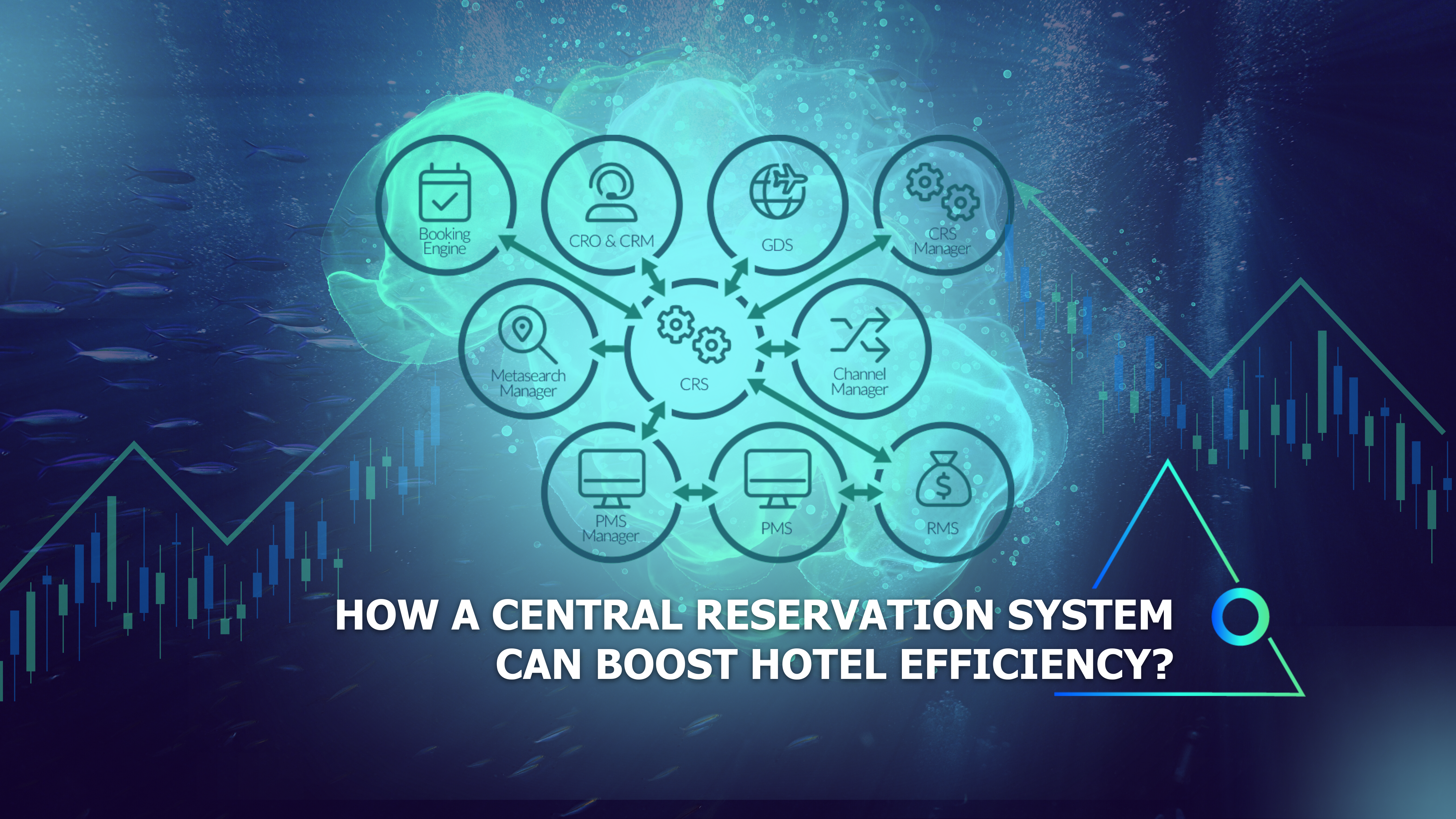
Boost Hotel Efficiency with a Central Reservation System (CRS)

Disruptive Trends & the Future of Hospitality

The Impact of Hotel CRM on Customer Loyalty

Choosing a Revenue Management System for Your Hotel

7 Ways Hospitality Technology Enhances Hotel Operations & Profitability