8
No. of Vendors
10
No. of Products
6
Verified Products

Carlos Abou-Diwan
Technology systems design & implementationProducts (10)

Inncom
by Honeywell Partially verified
Interel OS
by InterelPartially verified
Hotel Guest Room Management
by Schneider electricPartially verifiedEcoStruxure™
by Schneider electricPartially verified
MICROMASTER
by VDA GroupPartially verifiedETHEOS
by VDA GroupPartially verified
Duemmegi BMS
by DUEMMEGI SRL Unverified
Euro ICC
by EURO ICCUnverified
Roomio GRMS
by RoomioUnverifiedGuest Room Management Systems for hotels
The
guest room is where the hotel experience is most personal. Yet in many
properties, the in-room environment still operates through manual controls that
offer little personalization, no operational visibility, and significant energy
waste.
Guest
Room Management Systems (GRMS) address
this by connecting and automating in-room functions including lighting,
climate, curtains, occupancy sensing, and entertainment within a single
intelligent platform. Modern GRMS solutions have evolved well beyond basic room
automation into broader smart hospitality infrastructure that supports energy
optimization, operational coordination, mobile guest control, and connected
in-room experiences.
What is a Guest Room Management System (GRMS)?
A
Guest
Room Management System (GRMS) is a technology platform that manages the
automated control and monitoring of electrical and environmental systems within
hotel guest rooms. It connects lighting, HVAC, curtains, and electrical
circuits through a room controller that responds to occupancy, guest
preferences, and management commands to maintain comfort, reduce energy
consumption, and provide room status information to operational teams.
Core
GRMS functions include:
•
Automated environmental control including lighting scenes,
temperature setpoints, and curtain management
•
Occupancy detection with automatic energy conservation when
rooms are unoccupied
•
Welcome and departure scene management triggered by door access
events
•
Room status reporting to housekeeping and engineering management
systems
•
Integration with building operation systems, energy management
systems, and property management systems
Why does a GRMS matter for hotels?
Guest
rooms are the primary energy consumer in hotel buildings and the primary
environment in which the guest experience is formed. A GRMS that manages these
rooms intelligently reduces energy cost while improving the comfort and
intuitive quality of the room environment. The business case combines direct
energy savings with guest satisfaction improvement and operational efficiency
in housekeeping and maintenance.
•
Energy conservation in unoccupied rooms delivers significant
operational savings: rooms where HVAC and lighting continue running after guest
departure waste the energy that occupancy-based automation prevents
•
Welcome scenes create positive first impressions: pre-set room
conditions including appropriate temperature, lighting, and curtain position
when guests arrive deliver a consistent premium arrival experience
•
Centralized room status visibility improves operational
efficiency:
real-time room status data accessible to housekeeping and front desk eliminates
the status verification calls that manual management requires
•
Maintenance fault identification is faster with system
monitoring:
GRMS monitoring that identifies non-responsive lighting circuits, HVAC
failures, and sensor anomalies enables maintenance response before guests
report problems
What problems does a GRMS help solve?
•
Energy waste in unoccupied rooms: occupancy-triggered
HVAC and lighting setback automatically reduces energy consumption when rooms
are vacant
•
Inconsistent room conditions on guest arrival: automated pre-arrival
room conditioning ensures every arriving guest encounters a comfortable,
properly prepared room environment
•
No centralized room status visibility: GRMS room status
reporting eliminates the manual room checks and status verification calls that
consume housekeeping and front desk time
•
Slow maintenance identification for in-room electrical faults: centralized system
monitoring identifies electrical and environmental system failures faster than
guest complaint-driven discovery
•
Guest frustration with complex in-room controls: GRMS-driven control
interfaces including touch panels and voice assistants provide intuitive room
environment management
What capabilities should hotels expect?
•
Room controller managing all key electrical and environmental
systems
•
Occupancy detection through door contact and PIR sensors
•
Pre-programmed scenes for arrival, departure, and energy
conservation modes
•
Centralized monitoring dashboard for engineering and
housekeeping teams
•
Integration with building operation systems, energy management
systems, and voice assistants
How does a GRMS fit into the hotel technology ecosystem?
•
Building operation systems: GRMS room data integrates with
building management for portfolio-level energy and system performance
management
•
Energy management systems: room-level energy consumption data
from GRMS feeds energy management platforms for optimization and reporting
•
Property management systems: PMS room status and reservation data
connects with GRMS for arrival preparation and energy conservation triggered by
checkout
•
Voice assistants: voice control interfaces connect with GRMS
for natural language environmental management in the guest room
Which hotel types benefit most?
•
Full-service and upscale hotels: where premium room
environment management and energy efficiency both represent significant
commercial value
•
Hotels with high energy costs: where the ROI from
occupancy-based energy conservation is most commercially significant
•
Hotels with large room counts: where the operational
efficiency gains from centralized room status visibility and automated
environmental management are most substantial
•
Hotels investing in connected room strategies: where GRMS provides
the environmental control infrastructure that voice assistants, smart
assistance devices, and in-room tablets interact with
What should hotels evaluate before selecting a GRMS?
•
Integration breadth with building and hotel systems: the GRMS must connect
with the specific HVAC, lighting, BMS, and PMS infrastructure the hotel
operates
•
Occupancy detection reliability: false occupancy
readings that keep rooms conditioned when empty undermine the energy
conservation case for GRMS investment
•
Control interface options for guests: touchscreen panels,
mobile interfaces, and voice assistant connectivity determine how intuitively
guests can manage their room environment
•
Energy monitoring and reporting capability: consumption data by
room and system type must be accessible for energy management and ESG reporting
•
Maintenance and fault monitoring quality: the system's ability
to identify and report environmental and electrical anomalies determines the
maintenance efficiency benefit
What common mistakes should hotels avoid?
•
Treating GRMS as infrastructure rather than a guest
experience tool: the most visible GRMS value to guests is the comfort and
intuitiveness of their room environment, not the energy efficiency metrics that
justify the investment
•
Insufficient commissioning of room scenes and setpoints: GRMS platforms
deployed with factory default settings rather than hotel-specific configuration
do not deliver the environmental quality the investment promises
•
No integration with PMS for arrival preparation: GRMS systems that
cannot receive PMS checkout triggers miss the most significant energy
conservation opportunity in the room vacancy window
•
Ignoring voice and interface integration: GRMS infrastructure
without connected guest-facing interfaces such as voice assistants or in-room
tablets reduces the visibility and value guests perceive from the investment
How have Guest Room Management Systems evolved?
Hotel
GRMS has evolved from simple energy control relays into intelligent room
management platforms. Early GRMS focused primarily on energy conservation
through basic occupancy switching. The integration of scene management,
advanced occupancy detection, and two-way building system connectivity from
around 2010 significantly expanded what GRMS platforms could deliver. By 2025,
GRMS platforms with voice assistant integration, real-time energy monitoring,
and cloud-based room management dashboards had become standard infrastructure
in new hotel builds and major refurbishments in the upscale and luxury
segments.
What trends are shaping Guest Room Management Systems?
•
Voice and AI integration within GRMS: guest room management
is becoming accessible through voice assistants and AI-powered interfaces
rather than only touchscreen panels
•
Real-time energy reporting for ESG compliance: GRMS energy data is
feeding directly into carbon footprint management and ESG reporting platforms
•
IoT sensor integration expanding room intelligence: additional sensors
for air quality, noise levels, and occupancy patterns are expanding what GRMS
platforms can monitor and report
•
Cloud-based GRMS management: cloud connectivity is enabling remote
room management, portfolio-level monitoring, and software updates across hotel
groups
What impact can a GRMS deliver?
•
Measurable energy cost reduction through occupancy-based
conservation automation
•
Consistent premium room environment quality on guest arrival
•
Operational efficiency through centralized room status
visibility
•
Faster maintenance response through proactive system fault
monitoring
What should hotels prioritize when comparing providers?
Hotels
evaluating Guest Room Management Systems should prioritize building and PMS
integration breadth, occupancy detection reliability, guest interface options,
and energy monitoring capability.
•
Building and PMS integration: connectivity with
HVAC, lighting, BMS, and property management systems is the technical
foundation of GRMS value
•
Occupancy detection reliability: accurate occupancy
sensing is essential for both energy conservation and guest experience quality
•
Guest interface options: voice, touch, and mobile control
access determines how intuitively guests experience the room environment
• Energy monitoring and ESG reporting: consumption data must support energy management optimization and sustainability reporting
Blogs (5)
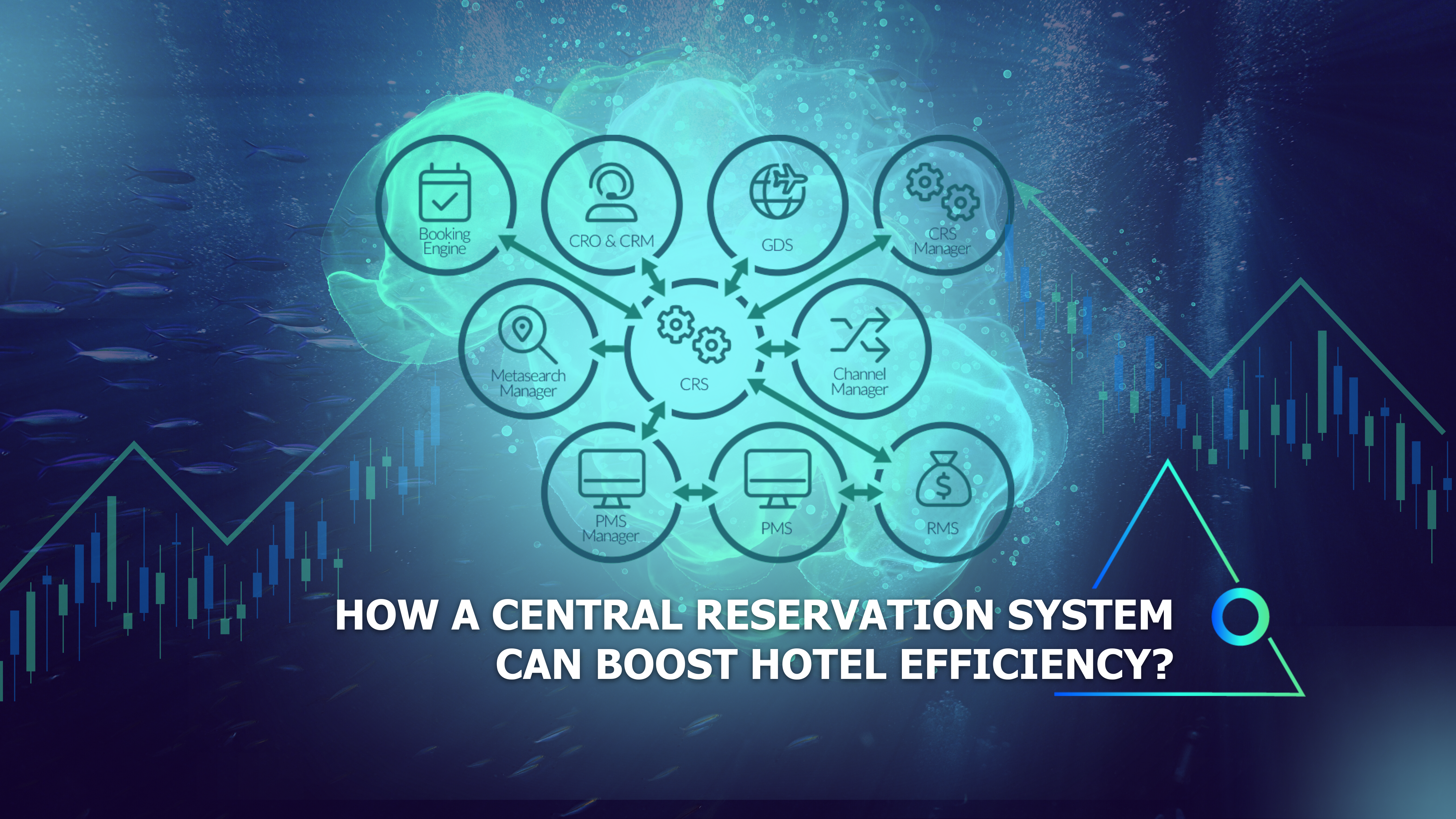
Boost Hotel Efficiency with a Central Reservation System (CRS)

Disruptive Trends & the Future of Hospitality

The Impact of Hotel CRM on Customer Loyalty

Choosing a Revenue Management System for Your Hotel

7 Ways Hospitality Technology Enhances Hotel Operations & Profitability