17
No. of Vendors
17
No. of Products
7
Verified Products
CHECKOUT OUR LATEST ARTICLE

Li Hawkins
Project management & innovationProducts (17)
AI Powered

dailypoint Data Laundry
by dailypoint™ - The CDP for CRM & Loyalty Vendor verified
H2O Engage (CRM)
by H2O HospitalityVendor verified
Customer Data Platform
by IreckonuVendor verified
Intelligent Engagement Platform
by NGDataVendor verifiedAI Powered

TrustYou CDP
by TrustYouVendor verified
Paximizer CDP
by WebSky TechVendor verified
Zence 360
by Zence CRMVendor verified
Insight Engine
by Concilio Labs Unverified
Consultix GmbH
by Consultix GmbHUnverifiedCustomer Data Platform (CDP) for Hotels
Hotels generate guest data from more touchpoints than ever before. Bookings, stays, dining, spa visits, loyalty activity, and digital interactions all produce valuable information about individual guests. The problem is that this data rarely comes together in one place, leaving marketing, commercial, and operations teams working from incomplete pictures that limit personalization, segmentation, and strategic decision-making.
Customer Data Platforms (CDP) address this by creating a unified, real-time guest data environment that consolidates information from every system a hotel operates. A CDP is distinct from a customer relationship management (CRM) system in that it focuses specifically on collecting, unifying, and activating raw data from multiple sources rather than managing communication and campaigns. Together, CDP and CRM form the data infrastructure that powers modern hotel guest intelligence strategies.
What is a Customer Data Platform (CDP) for hotels?
A
Customer Data Platform (CDP) is a technology platform that collects,
unifies, and organizes guest data from all hotel systems and touchpoints into
persistent, individual guest profiles. Unlike a customer relationship
management (CRM) system, which manages communication workflows, a CDP sits
beneath the engagement layer, creating the clean, unified data foundation that
CRM, marketing automation, and personalization tools draw from.
Core
functions of a hotel CDP include:
•
Real-time data ingestion from property management systems,
booking engines, and POS systems
•
Identity resolution connecting data from multiple touchpoints
into unified guest profiles
•
Data standardization and cleansing across source systems with
inconsistent data formats
•
Audience segmentation and profile activation for marketing and
personalization tools
•
Integration with customer relationship management (CRM), hotel
business intelligence tools, and marketing platforms
Why does a CDP matter for hotels?
The
value of guest data is determined by how completely and accurately it reflects
the actual guest. A profile that captures a booking but misses three subsequent
stays, two restaurant visits, and a spa appointment is not a guest profile, it
is a fragment. Hotels that cannot unify data across systems consistently
underperform on personalization, segmentation, and retention because they are
working from incomplete information regardless of how sophisticated their
marketing tools are.
•
Unified data is the foundation of effective personalization: personalization that
draws from fragmented data produces offers and messages that miss the mark,
reducing engagement and brand trust
•
Identity resolution solves the multiple-record problem: most hotel databases
contain multiple records for the same guest created through different booking
channels, which CDPs consolidate into single profiles
•
First-party data strategy depends on data unification
infrastructure: as third-party data becomes less accessible, the commercial
value of owned, unified guest data grows significantly
•
CDP enables CRM and marketing tools to perform better: a customer
relationship management (CRM) system fed by clean, unified CDP data produces
significantly better segmentation and campaign results than one drawing from
fragmented source systems
What problems does a CDP help hotels solve?
•
Duplicate and fragmented guest records: the same guest
appearing as multiple records across PMS, booking engine, and loyalty systems
creates the data quality problem that CDPs are specifically designed to resolve
•
Inconsistent guest data formats across systems: different systems
record names, addresses, and preferences in different formats that CDPs
standardize into consistent, usable profiles
•
No single source of guest truth: marketing,
operations, and commercial teams working from different system views of the
same guest make decisions based on inconsistent information
•
Limited segmentation capability due to data silos: meaningful audience
segmentation requires data that spans booking behavior, on-property spending,
loyalty activity, and digital engagement simultaneously
•
Slow data availability for real-time personalization: batch data processing
between systems creates delays that prevent the real-time personalization
triggers that modern guest engagement requires
What capabilities should hotels expect from a CDP?
A
hotel CDP must be evaluated on the quality of its data unification capability
as much as its downstream activation features. The core value is in the
profile, not the dashboard.
•
Real-time data collection from all relevant hotel systems and
digital touchpoints
•
Identity resolution across booking channels, loyalty IDs, email
addresses, and device identifiers
•
Data standardization and quality management across source system
inconsistencies
•
Flexible audience segmentation using behavioral, transactional,
and preference data
•
Integration with customer relationship management (CRM), hotel
business intelligence tools, and personalization platforms for profile
activation
How does a CDP fit into the hotel technology ecosystem?
A
CDP sits below the engagement tools in the hotel technology stack, acting as
the data foundation that other systems draw from. It is not a replacement for
CRM or marketing automation, it is what makes those tools significantly more
effective.
•
Property management systems: provide stay records, reservation
data, and on-property behavioral data as primary CDP inputs
•
Hotel booking engine software: supplies direct
booking behavior, channel preference, and pre-arrival interaction data
•
Customer relationship management (CRM): draws from CDP
unified profiles for segmentation, campaign targeting, and personalized
communication
•
Hotel business intelligence tools: use CDP-unified data
for guest value analysis, segment performance reporting, and commercial
strategy support
•
Rate shopping tools and revenue management system (RMS): can incorporate CDP
segment data for demand forecasting and pricing strategy refinement
Which hotel types benefit most from a CDP?
•
Hotels with high OTA booking volumes: where guest data
arrives through third-party channels without the profile information that
direct bookings provide, making unification more complex and more valuable
•
Multi-property hotel groups: where the same guest stays across
different properties, generating data in multiple systems that a CDP can
connect into a single portfolio-wide profile
•
Hotels with loyalty programs: where connecting
loyalty activity with on-property behavioral data creates the comprehensive
guest view that makes loyalty strategy commercially effective
•
Hotels investing in direct booking strategies: where first-party
data quality and guest profile completeness directly influence the
effectiveness of retention and direct acquisition campaigns
What should hotels evaluate before selecting a CDP?
•
Identity resolution quality: the accuracy with which the platform
connects disparate data points to the correct individual guest profile is the
most critical capability to assess
•
Source system connectivity: the CDP must integrate with all
systems where meaningful guest data is created, including PMS, booking engines,
POS, loyalty platforms, and digital touchpoints
•
Real-time versus batch processing: hotels requiring
real-time personalization triggers need CDP infrastructure that processes and
activates data continuously rather than in scheduled batches
•
CRM and activation tool integration: a CDP that cannot
connect cleanly with customer relationship management (CRM) and marketing
platforms cannot translate unified data into guest engagement
•
Data governance and privacy compliance: GDPR and data
protection requirements apply to unified guest profiles with particular force,
requiring careful assessment of consent management and data retention
capability
What common mistakes should hotels avoid?
•
Treating CDP and CRM as the same thing: a customer
relationship management (CRM) system manages communication and campaigns while
a CDP unifies raw data. Deploying one without understanding the distinction of
the other creates capability gaps
•
Implementing a CDP without addressing source data quality: a CDP cannot produce
clean unified profiles from source systems with poor data entry standards,
duplicate records, and inconsistent formats without prior data quality work
•
No activation strategy for unified profiles: CDP data that is
collected and unified but never activated into personalization, segmentation,
or commercial decisions delivers no commercial return
•
Underestimating identity resolution complexity: matching guest
records across booking channels, loyalty IDs, and on-property systems requires
sophisticated matching logic that not all CDP platforms handle equally well
How has the Customer Data Platform (CDP) category evolved?
CDPs
emerged as a distinct technology category from around 2016, initially in retail
and e-commerce before hospitality-specific platforms developed from around 2019
onwards. The growth of digital touchpoints, the decline of third-party cookies,
and increasing guest expectations for personalization created the conditions
that drove CDP adoption in hospitality. By 2025, the convergence between CDP
and customer relationship management (CRM) functionality had accelerated, with
leading platforms increasingly offering elements of both within integrated
guest intelligence environments.
What trends are shaping Customer Data Platforms?
•
CDP and CRM convergence: the boundary between data unification
and campaign management is narrowing as platforms combine CDP infrastructure
with CRM engagement capability
•
First-party data as a strategic asset: the decline of
third-party cookies has elevated the commercial importance of owned, unified
guest data, making CDP infrastructure a strategic investment rather than a
technical capability
•
Real-time profile activation: hotels are moving
from batch-processed audience segments to continuously updated profiles that
trigger personalization at the individual guest level
•
AI-powered identity resolution: machine learning is
improving the accuracy of guest matching across complex multi-channel data
environments
•
Privacy-first data architecture: evolving data
protection regulations are driving CDP design toward consent-first data
collection and granular privacy management
What operational and commercial impact can a CDP deliver?
•
Significantly improved personalization accuracy through
complete, unified guest profiles
•
Better CRM and marketing campaign performance through cleaner
segmentation inputs
•
Stronger direct booking strategy through first-party data
completeness
•
More effective loyalty program management through connected
behavioral and transactional data
•
Improved commercial decision-making through accurate guest value
and segment analysis
What should hotels prioritize when comparing CDP providers?
Hotels
evaluating Customer Data Platforms should assess the quality of data
unification above all else. A CDP that collects data from all sources but
resolves identity poorly or activates profiles slowly delivers less commercial
value than a simpler platform that does the core job accurately.
•
Identity resolution accuracy: the platform's
ability to correctly unify data from multiple sources into accurate individual
guest profiles is the defining capability
•
Source system integration breadth: coverage of PMS,
hotel booking engine software, POS, loyalty, and digital touchpoints determines
the completeness of unified profiles
•
CRM and activation integration: the CDP must connect
seamlessly with customer relationship management (CRM) and marketing tools to
translate unified data into guest engagement
•
Real-time processing capability: assess whether the
platform supports the real-time data activation that modern personalization
requires
News (5)

dailypoint signs Serena Hotels and Mirror Lake Inn Resort & Spa as new customers

Agentic AI in Hospitality: Evolution, Risks, and Strategic Reality
dailypoint™ Announces Strategic Partnership with Global Hotel Alliance
dailypoint™ Named #1 Hotel CRM & E-Mail Marketing Solution in 2026 HotelTechAwards

dailypoint™ & Selise Group AG form strategic patnership
Blogs (5)
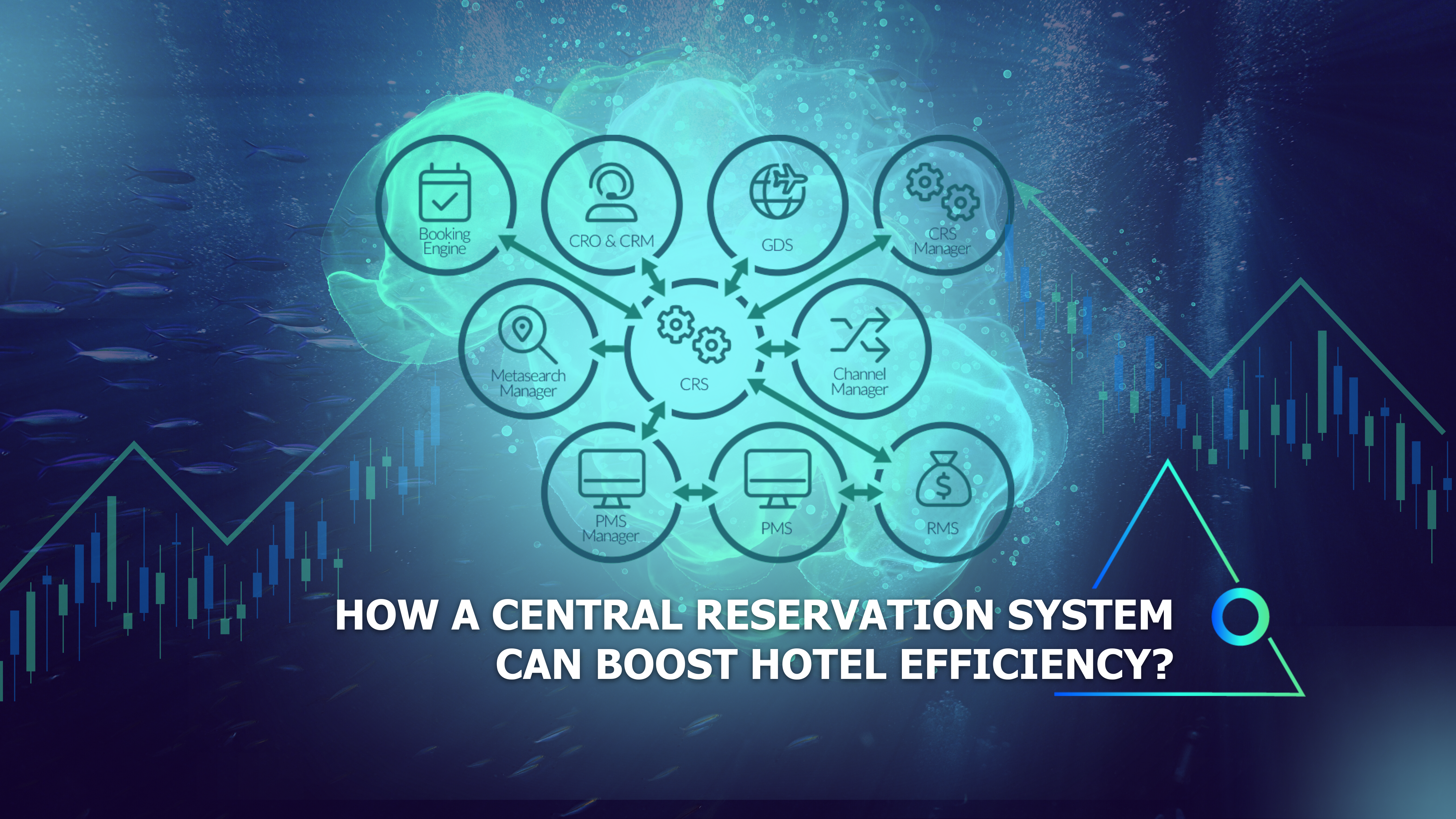
Boost Hotel Efficiency with a Central Reservation System (CRS)

Disruptive Trends & the Future of Hospitality

The Impact of Hotel CRM on Customer Loyalty

Choosing a Revenue Management System for Your Hotel

7 Ways Hospitality Technology Enhances Hotel Operations & Profitability