5
No. of Vendors
6
No. of Products
0
Verified Products
Products (6)

Arryved Reporting
by Arryved Unverified
Teamworx
by CrunchtimeUnverifiedLabor Management
by CrunchtimeUnverified
Jolt Employee Scheduling
by JoltUnverified
Aloha Labour Management Software
by Nfs TechnologyUnverified
R365 Workforce
by Restaurant365UnverifiedRestaurant HR Tools for hotels
Food and beverage operations within hotels face the most acute version of hospitality's broader people management challenge. Kitchen and service teams turn over frequently, work variable and unsocial hours, include a high proportion of casual and part-time staff, and often span multiple nationalities and languages. Managing recruitment, onboarding, scheduling, and compliance for these teams through generic HR systems or manual processes creates the gaps that show up as inconsistent service, compliance failures, and preventable turnover.
Restaurant HR Tools provide the specialist people management infrastructure designed for the specific workflows of food and beverage operations. These platforms cover F&B-specific recruitment, onboarding, scheduling, tip management, compliance tracking, and performance management within a context that understands the operational realities of kitchen and service team management.
What are Restaurant HR Tools for hotels?
Restaurant
HR Tools
are people management platforms designed specifically for the workflows of food
and beverage operations. They address the HR requirements of kitchen and
service teams including tip management, variable hour contracts, food safety
certification tracking, tronc compliance, and the scheduling patterns that
F&B operations require but general HR systems handle poorly.
Core
functions include:
•
F&B-specific recruitment and onboarding workflows
•
Tip and tronc management and compliance
•
Variable hour and casual contract management
•
Food safety certification tracking and expiry alerts
•
Integration with workforce management solutions and human
resource management solutions
Why do Restaurant HR Tools matter for hotel F&B operations?
Hotel
F&B HR requirements differ from broader hotel HR in ways that matter
operationally. Tip allocation, tronc compliance, food handler certifications,
split shift management, and the casual staffing models that F&B operations
rely on all require specialist handling that generic HR platforms consistently
manage inadequately.
•
Tip and tronc management is legally complex and operationally
sensitive:
incorrect tip allocation or tronc administration creates legal liability and
the staff dissatisfaction that drives turnover in an already high-churn
environment
•
Food safety certification tracking is a compliance
requirement: kitchen staff must hold current food hygiene certifications
that expire and require renewal, creating tracking obligations that general HR
systems do not manage well
•
High turnover requires efficient onboarding infrastructure: F&B turnover
rates that are consistently among the highest in the hotel create continuous
onboarding requirements that generic HR onboarding processes cannot handle
efficiently at volume
•
Variable hours and casual contracts create payroll complexity: F&B staffing
models using casual, zero-hours, and split shift contracts create payroll
calculation complexity that specialist tools handle more accurately than
general systems
What problems do Restaurant HR Tools help solve?
•
Tip allocation errors creating staff dissatisfaction and
legal risk:
automated tronc management with transparent allocation removes the manual
calculation errors and perception of unfairness that erode team trust
•
Food safety certification lapses creating compliance exposure: expiry tracking and
renewal alerts ensure food handler certifications remain current across
high-turnover teams
•
Slow onboarding creating early tenure turnover: structured F&B
onboarding workflows that deliver role-specific training quickly reduce the
early exit rate that poorly onboarded staff experience
•
Variable hour payroll calculation errors: automated calculation
of pay for casual and variable hour contracts reduces the errors that manual
processing creates in complex scheduling environments
•
No visibility into F&B team retention patterns: people analytics
specific to F&B teams identify the tenure, role, and manager patterns that
drive turnover in food service operations
What capabilities should hotels expect?
•
Tronc and tip management with configurable allocation rules and
compliance reporting
•
Food safety and hygiene certification tracking with automated
expiry alerts
•
Variable hour, casual, and split shift contract management
•
F&B-specific onboarding workflows with role-based training
delivery
•
Integration with workforce management solutions and human
resource management solutions
How do Restaurant HR Tools fit into the hotel technology ecosystem?
•
Workforce management solutions: scheduling and time
tracking for F&B teams connects with specialist HR tools for integrated
labor management
•
Human resource management solutions: F&B-specific HR
data integrates with broader hotel HR platforms for consolidated people
management reporting
•
E-learning and compliance platforms: food safety training
content and certification management connects with broader compliance learning
infrastructure
•
Financial planning and reporting: F&B labor cost
data including tip allocation and variable hour payroll feeds hotel financial
reporting
Which hotel types benefit most?
•
Full-service hotels with large F&B teams: where the volume of
kitchen and service staff creates the most significant need for specialist
F&B HR infrastructure
•
Hotels with active tronc arrangements: where tip and tronc
compliance complexity justifies dedicated management tools
•
Hotels with high F&B staff turnover: where the continuous
recruitment and onboarding requirement makes efficient HR process critical for
operational continuity
•
Hotels with complex F&B staffing models: using casual, agency,
and variable hour contracts alongside permanent staff across multiple outlets
What should hotels evaluate before selecting a platform?
•
Tronc and tip management compliance capability: local legislation
governing tip and tronc arrangements varies and the platform must meet
jurisdiction-specific requirements
•
Food safety certification tracking: expiry management
must cover all relevant food handler and hygiene certifications required by
local regulations
•
Workforce management integration: scheduling and time
data must connect seamlessly to avoid the manual transfer that creates payroll
errors
•
Onboarding workflow quality: F&B-specific onboarding must
deliver role-relevant training efficiently for high-turnover teams
•
Contract type flexibility: the platform must handle casual,
variable hour, and split shift contracts alongside standard employment
What common mistakes should hotels avoid?
•
Using generic HR software for tronc management: tip and tronc
compliance requires specialist functionality that general HR systems do not
provide, creating the manual workarounds that produce errors
•
No food safety certification renewal process: certification lapses
discovered during regulatory inspections are entirely preventable with
automated expiry tracking
•
Disconnecting F&B HR from workforce management: scheduling, time
attendance, and HR data that does not connect creates the payroll errors that
damage staff trust
•
Insufficient onboarding investment for casual staff: casual team members
who receive inadequate onboarding have the highest early exit rates and create
the most operational disruption when they leave
How have Restaurant HR Tools evolved?
F&B
people management technology has evolved from generic HR software adapted for
restaurant use into specialist platforms designed for the operational realities
of food service. The particular complexity of tronc compliance, food safety
certification management, and casual staffing models in hospitality created
demand for purpose-built solutions from around 2015. By 2025, platforms
combining tronc management, certification tracking, and F&B scheduling
integration had become established tools for professionally managed hotel
restaurant operations.
What trends are shaping Restaurant HR Tools?
•
Tronc compliance automation increasing: legislative changes
to tip allocation legislation in multiple markets have increased demand for
automated tronc management platforms
•
Integration with workforce management deepening: F&B HR and
scheduling tools are converging for unified labor management across kitchen and
service teams
•
Staff wellbeing and retention focus: restaurant HR tools
are incorporating wellbeing features and retention analytics alongside
administrative HR functions
•
Mobile-first onboarding for casual teams: mobile-accessible
onboarding that works for staff without work email accounts is becoming
standard for F&B HR platforms
What impact can Restaurant HR Tools deliver?
•
Reduced tronc compliance risk through automated tip allocation
and documentation
•
Eliminated food safety certification lapses through systematic
expiry tracking
•
Faster F&B team onboarding reducing early tenure turnover
•
More accurate variable hour payroll reducing staff
dissatisfaction from payment errors
What should hotels prioritize when comparing providers?
Hotels
evaluating Restaurant HR Tools should prioritize tronc compliance capability,
food safety certification management, workforce management integration, and
onboarding workflow quality as the primary assessment criteria.
•
Tronc and tip management compliance: jurisdiction-specific
compliance capability is non-negotiable for hotels with tronc arrangements
•
Food safety certification tracking: expiry management
across high-turnover teams is operationally and legally important
•
Workforce management integration: scheduling and time
data must connect seamlessly for accurate payroll processing
• Onboarding workflow accessibility: mobile-first onboarding that works for casual staff without work email access is essential
Blogs (5)
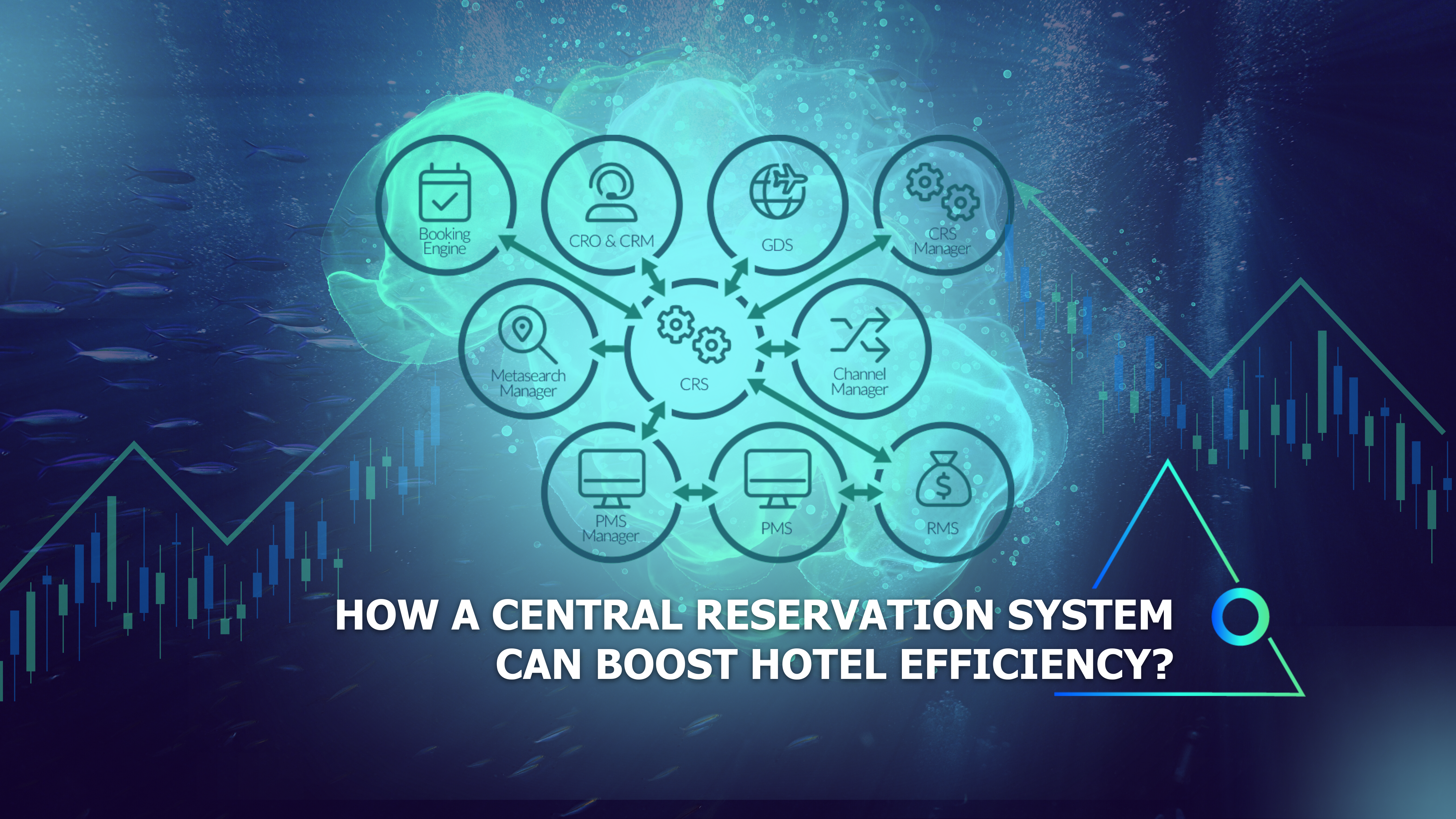
Boost Hotel Efficiency with a Central Reservation System (CRS)

Disruptive Trends & the Future of Hospitality

The Impact of Hotel CRM on Customer Loyalty
Choosing a Revenue Management System for Your Hotel
7 Ways Hospitality Technology Enhances Hotel Operations & Profitability