2
No. of Vendors
2
No. of Products
0
Verified Products
Products (2)

Blink charging
by Blink Charging Unverified
ChargeGuru
by ChargeGuruUnverifiedEV Charging Software for Hotels
Electric vehicle adoption is accelerating faster than hotel infrastructure has kept pace with. Guests arriving by EV expect charging facilities as a standard amenity in upscale and full-service properties. Hotels that have invested in EV charging hardware but lack the software to manage access, billing, and reporting are leaving revenue unrealized and guest experience potential underdeveloped.
EV Charging Software for hotels provides the platform layer that makes EV charging infrastructure commercially and operationally manageable. This category emerged as a distinct hospitality technology discipline from around 2020 and has grown significantly through 2023 to 2026 as EV adoption rates among hotel guests increased and the commercial and sustainability case for managed charging infrastructure strengthened.
What is EV Charging Software for hotels?
EV
Charging Software is a platform that manages EV charging infrastructure across
hotel properties, handling guest authentication, session management, billing,
energy load balancing, and reporting. It connects EV charging hardware with
hotel operational and financial systems to create a managed charging service
rather than an unmonitored utility.
Core
functions include:
•
Guest authentication and charging session management
•
Billing and payment processing for charging sessions
•
Energy load management and smart charging scheduling
•
Charger status monitoring and fault alerting
•
Integration with property management systems and ESG reporting
platforms
Why does EV Charging Software matter for hotels?
EV
charging hardware without management software is an unmonitored utility that
cannot generate revenue, cannot be managed for energy efficiency, and cannot
produce the usage data that sustainability reporting requires. As EV adoption
grows among hotel guest segments, the quality of the charging experience and
the hotel's ability to manage it efficiently are becoming competitive factors.
•
EV guests represent a growing and commercially valuable
segment:
electric vehicle owners tend to be higher-income, sustainability-conscious
travelers who actively seek hotels with charging facilities
•
Unmanaged charging creates energy and billing problems: without software
management, hotels cannot control energy load, recover charging costs, or
prevent unauthorized use of charging infrastructure
•
Smart charging reduces peak energy demand costs: load management
software schedules charging to avoid peak tariff periods, reducing the energy
cost of operating charging infrastructure
•
ESG reporting requires documented energy consumption data: charging session
energy data feeds into carbon footprint management platforms and ESG reporting
for scope 2 emissions tracking
What problems does EV Charging Software help solve?
•
No revenue recovery from charging infrastructure: hotels that provide
free unmanaged charging cannot recover the energy costs or generate revenue
from the service they provide
•
Energy load spikes from unmanaged simultaneous charging: multiple EVs charging
simultaneously without load management can create demand spikes that increase
energy tariff costs
•
No visibility into charger utilization and fault status: hotels without
monitoring software discover charger faults when guests report them rather than
proactively
•
No charging session data for ESG reporting: energy consumption
from EV charging must be tracked and reported as part of Scope 2 emissions
management
•
Poor guest experience from unmanaged charging: guests who cannot
easily authenticate, monitor their session, or receive billing confirmation
have a friction-filled charging experience
What capabilities should hotels expect?
•
Multi-charger management with real-time status monitoring
•
Guest authentication via RFID, app, or QR code access
•
Flexible billing models including per kWh, per session, and
free-to-guest options
•
Smart charging with energy load management and off-peak
scheduling
•
Integration with property management systems and ESG reporting
platforms
How does EV Charging Software fit into the hotel technology ecosystem?
•
Property management systems: enable guest recognition, charging
session posting to folios, and integration with hotel billing workflows
•
ESG reporting platforms: receive charging energy consumption
data for Scope 2 emissions reporting and sustainability performance tracking
•
Carbon footprint management platforms: incorporate EV
charging energy data into operational emissions calculations
•
Financial planning and reporting: includes EV charging
revenue and energy cost data in operational financial reporting
Which hotel types benefit most?
•
Upscale and luxury properties: where EV-driving
guests have the highest expectations for charging quality and where the
competitive cost of not offering managed charging is greatest
•
Business and corporate hotels: where EV adoption
rates among business travelers are highest and charging availability is
increasingly a corporate travel program requirement
•
Hotels with large parking facilities: where the scale of
potential charging infrastructure justifies management software investment
•
Hotels with sustainability programs: where EV charging
infrastructure and software contribute to ESG reporting and sustainability
certification requirements
What should hotels evaluate before selecting a platform?
•
Hardware compatibility: the software must be compatible with the
specific EV charging hardware the hotel has installed or plans to install
•
Billing flexibility: the platform must support the charging model
the hotel intends to operate, whether fee-based, guest-inclusive, or tiered
•
Smart charging and load management: energy cost
optimization through off-peak scheduling and demand management is increasingly
important as charging volumes grow
•
PMS integration for folio billing: guest charging
session billing should post directly to folios without manual intervention
•
ESG reporting integration: energy consumption data from charging
sessions must be available for sustainability reporting
What common mistakes should hotels avoid?
•
Installing EV charging hardware without management software: unmanaged chargers
cannot generate revenue, optimize energy, or produce ESG reporting data
•
No billing model defined before deployment: hotels that launch
charging infrastructure without a billing strategy default to free service that
creates cost without commercial return
•
Insufficient charger capacity for growing demand: EV adoption among
hotel guests is increasing, and charging infrastructure that is adequate today
may be insufficient within two to three years
•
Ignoring energy load management: simultaneous charging
by multiple vehicles without load management creates energy demand spikes that
increase operating costs
How has EV Charging Software evolved?
EV
charging management in hospitality emerged as a distinct technology discipline
from around 2020 as EV adoption began to create meaningful demand for hotel
charging facilities. Early deployments were largely hardware-focused with
minimal software management. Dedicated EV charging software platforms grew
significantly from 2022 onwards as hotels recognized the need to manage
billing, energy, and reporting alongside hardware operations. By 2025, smart
charging with energy load management had become a standard expectation for new
hotel EV charging deployments.
What trends are shaping EV Charging Software?
•
Vehicle-to-grid integration: advanced EV charging management is
beginning to support bidirectional energy flows that can return stored vehicle
energy to the hotel grid during peak demand periods
•
Dynamic pricing for charging sessions: demand-based pricing
for EV charging is emerging as a revenue optimization strategy for hotels with
high charging utilization
•
Integration with energy management systems: EV charging software
is becoming part of broader hotel energy management environments that
coordinate solar, storage, and grid consumption
•
Corporate travel EV charging reporting: business travel
programs are beginning to require EV charging session data for corporate fleet
emissions reporting
What impact can EV Charging Software deliver?
•
Revenue generation from EV charging as a billable guest service
•
Reduced energy costs through smart charging and off-peak load
management
•
Improved guest satisfaction for EV drivers through managed,
reliable charging experience
•
ESG reporting contribution through documented EV charging energy
consumption data
What should hotels prioritize when comparing providers?
Hotels
evaluating EV Charging Software should look beyond basic session management and
assess how effectively a platform handles billing, energy optimization, PMS
integration, and ESG reporting within a single connected environment.
•
Hardware compatibility: software must work reliably with existing or
planned charging hardware
•
Smart charging and load management: energy optimization
is increasingly commercially significant as charging volumes grow
•
PMS and billing integration: guest session billing must post to
folios automatically
•
ESG reporting capability: energy consumption data must be
available for sustainability reporting without manual extraction
Start your comparison
on ExploreTECH
Blogs (5)
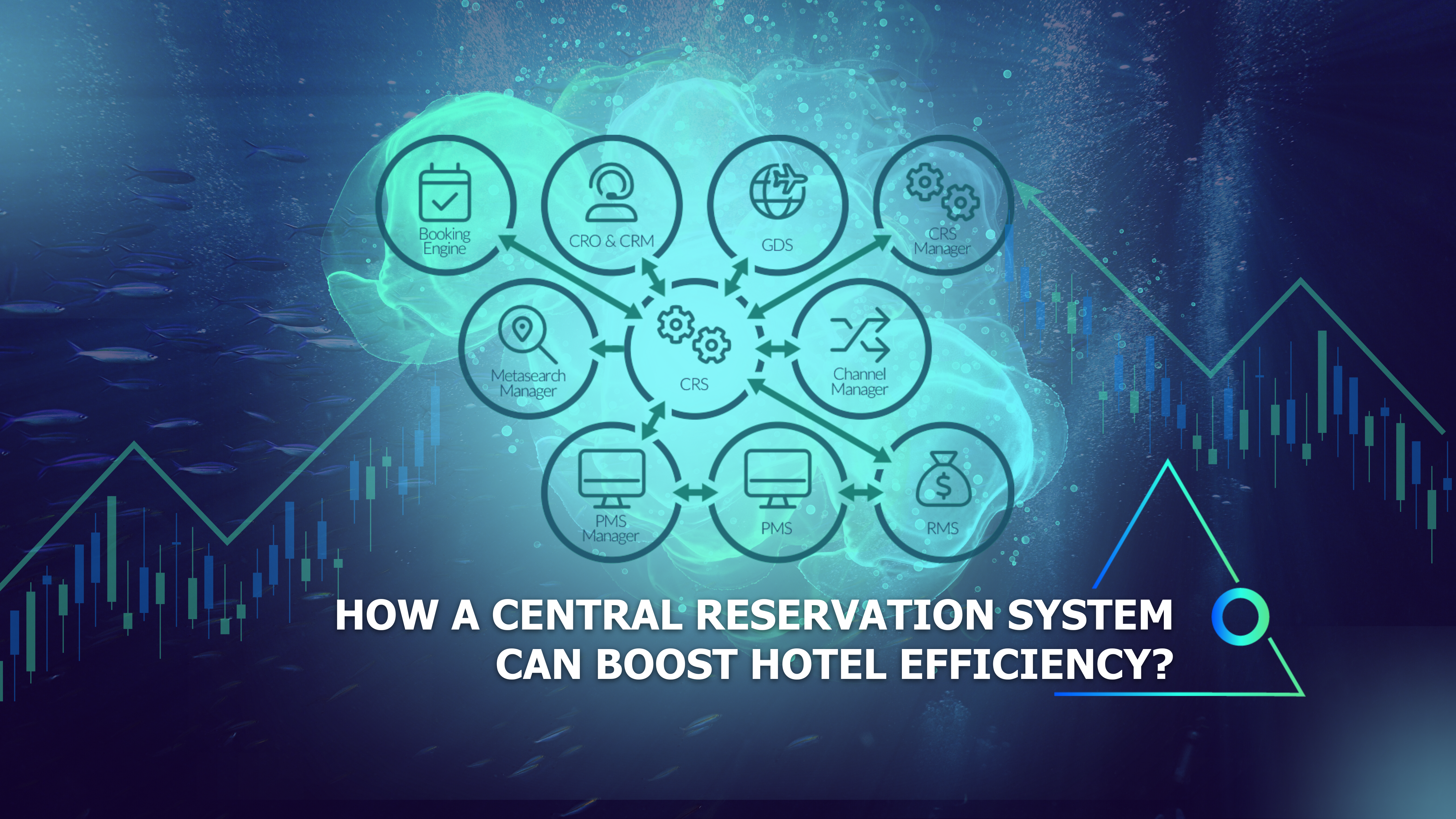
Boost Hotel Efficiency with a Central Reservation System (CRS)

Disruptive Trends & the Future of Hospitality

The Impact of Hotel CRM on Customer Loyalty
Choosing a Revenue Management System for Your Hotel

7 Ways Hospitality Technology Enhances Hotel Operations & Profitability