33
No. of Vendors
33
No. of Products
11
Verified Products
CHECKOUT OUR LATEST ARTICLE

Li Hawkins
Project management & innovationProducts (33)

Reviewpro Reputation
by Shiji Vendor verified
AI Powered

GuestLead
by HOTELLEADVendor verified
Hotellistat Reputation Management
by Hotellistat GmbHVendor verifiedAI Powered

HotelRunner Review Center
by HotelRunnerVendor verifiedAI Powered

Loopon Post-Stay
by LooponVendor verifiedAI Powered

Software of Guest Experience
by myHotelVendor verifiedAI Powered

re:spondelligent
by re:spondelligentVendor verified
Reflectfy
by ReflectfyVendor verified
Revinate Guest Feedback
by RevinateVendor verifiedReputation Management for hotels
A hotel's online reputation is one of its most commercially influential assets. Review scores and guest feedback published on TripAdvisor, Google, Booking.com, and OTA platforms directly affect booking decisions, rate positioning, and competitive visibility in ways that most hotels still underestimate.
Reputation Management platforms give hotels the tools to monitor, analyze, and respond to guest feedback across all major review channels from a single environment. Modern platforms have evolved well beyond basic review monitoring into broader guest intelligence tools that support sentiment analysis, competitive benchmarking, operational improvement tracking, and integration with CRM and guest experience systems.
What is Reputation Management for hotels?
Reputation
Management
is a hospitality technology category that enables hotels to collect, monitor,
analyze, and respond to guest feedback and online reviews across multiple
platforms. Rather than manually checking review sites and responding
individually, a reputation management platform aggregates all guest feedback
into a single environment where trends, sentiment, and operational insights can
be identified and acted on.
Core
functions include:
•
Review aggregation across TripAdvisor, Google, Booking.com, and
OTA platforms
•
Guest sentiment analysis and score tracking over time
•
Automated review response tools and workflow management
•
Competitive reputation benchmarking against the local market
•
Post-stay survey distribution and feedback collection
Why does Reputation Management matter for hotels?
Review
scores influence booking decisions more directly than most other commercial
factors. A consistent decline in review scores affects search ranking on OTA
platforms, reduces conversion on booking pages, and signals operational issues
that will compound if left unaddressed. In 2026, with AI-powered search
surfaces increasingly surfacing review sentiment as part of destination
discovery, the commercial stakes of online reputation have never been higher.
•
Review scores influence OTA search ranking directly: platforms like
Booking.com and Expedia factor review scores into their search algorithm,
affecting visibility for every potential guest
•
Guest feedback surfaces operational issues faster than
internal reporting: systematic analysis of review content identifies recurring
service or facility problems before they reach leadership through other
channels
•
Response behavior affects booking conversion: how a hotel responds
to negative reviews is evaluated by future guests and affects their willingness
to book
•
Competitive benchmarking requires external context: understanding whether
a score improvement reflects genuine progress or simply a rising market
requires comparison against comparable properties
What problems does it help solve?
•
Fragmented review monitoring across multiple platforms: manual checking of
review sites is time-consuming, inconsistent, and prone to missing feedback
that requires a response
•
Slow response to negative reviews: delayed responses to
critical feedback amplify the commercial and reputational damage of a poor
guest experience
•
No systematic visibility into feedback trends: isolated reviews
provide limited insight without the pattern analysis that aggregated sentiment
data enables
•
Disconnection between guest feedback and operational
improvement: review data that is not connected to departmental workflows
rarely drives the operational changes that would improve future scores
•
Limited competitive reputation context: hotels that only
track their own scores cannot assess whether their performance is improving
relative to the market
What capabilities should hotels expect?
Modern
reputation management platforms provide far more than a dashboard of review
scores. The most capable solutions surface actionable operational intelligence
from guest feedback at scale.
•
Multi-platform review aggregation with real-time alerts
•
Sentiment analysis identifying recurring themes, issues, and
praise across all feedback
•
Competitive reputation benchmarking against configurable local
and brand sets
•
Post-stay survey tools with customizable question design and
distribution workflows
•
Integration with CRM, PMS, and guest messaging platforms for
closed-loop feedback management
How does it fit into the hotel technology ecosystem?
•
CRM platforms: connect guest feedback with guest profiles to
support personalized recovery workflows and retention strategies
•
Property Management Systems (PMS): link review data with
stay records to identify patterns by segment, room type, or booking channel
•
Business Intelligence (BI) platforms: incorporate
reputation data alongside operational and commercial metrics for holistic
performance reporting
•
Guest messaging platforms: support post-stay survey distribution
and follow-up communication with guests who have provided feedback
Which hotel types benefit most?
•
Independent and boutique hotels: where reputation is
often the primary competitive differentiator and review scores have an outsized
impact on booking decisions
•
Branded hotel groups: require centralized reputation reporting
across properties with consistent benchmarking and response workflow standards
•
Luxury properties: where guest experience expectations are
highest and the commercial impact of reputation fluctuations is most
significant
•
Hotels in highly competitive markets: benefit most from
competitive benchmarking that contextualizes their own score performance
against comparable properties
What should hotels evaluate before selecting a platform?
•
Review platform coverage: the solution must aggregate feedback
from all channels where the hotel's guests actually leave reviews
•
Sentiment analysis quality: evaluate how accurately and granularly
the platform identifies operational themes from unstructured review text
•
Competitive benchmarking capabilities: assess the depth of
local and brand-set comparison available and how easily the competitive set can
be configured
•
Response workflow management: teams need structured
tools for assigning, drafting, approving, and publishing review responses
efficiently
•
Integration with CRM and PMS: closed-loop feedback
management depends on connecting review data with guest profiles and
operational records
What common mistakes should hotels avoid?
•
Treating reputation management as a marketing function only: review data is
operational intelligence as much as it is a commercial signal and should inform
departmental performance management
•
Responding to reviews without a strategy: inconsistent,
defensive, or generic responses damage reputation further rather than
recovering it
•
Ignoring positive review trends: understanding what
guests consistently praise is as commercially valuable as understanding what
they criticize
•
No connection between feedback and operational improvement: collecting review
data without routing insights to the departments responsible for acting on them
produces no operational change
How has Reputation Management evolved?
Reputation
management has shifted from manual review monitoring and ad hoc responses into
AI-supported guest intelligence platforms. The introduction of natural language
processing has transformed what is possible with unstructured review text,
enabling hotels to identify operational patterns across thousands of reviews
that manual analysis could never surface consistently. By 2025, sentiment
analysis and competitive benchmarking had become standard features rather than
premium add-ons.
What trends are shaping Reputation Management?
•
AI-powered sentiment analysis: natural language AI
is enabling more accurate, granular, and real-time analysis of guest feedback
across all review platforms
•
Reputation as a revenue management input: some hotels are
beginning to incorporate review score trends into pricing strategy and rate
positioning decisions
•
Integration with total experience platforms: reputation data is
increasingly flowing into broader guest experience and operational management
systems
•
AI search surface visibility: as AI-powered search
tools surface review sentiment in destination and hotel discovery, reputation
management has taken on greater commercial urgency in 2026
What impact can it deliver?
•
Improved OTA search ranking and booking conversion through
proactive reputation management
•
Faster identification and resolution of operational issues
through systematic feedback analysis
•
Stronger competitive positioning through benchmarking-informed
service and pricing strategy
•
Better guest recovery and retention through timely and
structured response workflows
What should hotels prioritize when comparing providers?
Hotels
evaluating Reputation Management platforms should look beyond review
aggregation and assess how effectively a solution transforms guest feedback
into operational intelligence and commercial advantage.
•
Platform coverage and real-time aggregation: all relevant review
channels must be monitored continuously without gaps
•
Sentiment analysis depth: the platform should identify specific
operational themes and trends, not just positive and negative sentiment broadly
•
Competitive benchmarking quality: local market
comparison should be configurable, accurate, and updated regularly
•
Workflow tools for response management: response processes
need structure, approval workflows, and efficiency tools that scale across
properties
News (5)
When innovation becomes friction: rethinking hotel technology decisions
.png)
FLYR Hospitality Now Available on Shiji Daylight PMS

Shiji and allmytour Integrate to Expand Global Distribution
Global Guest Satisfaction Rises Despite Operational Pressure

Amadria Park taps Shiji’s Daylight PMS and Infrasys POS to drive personalized hospitality across Croatia
Blogs (5)
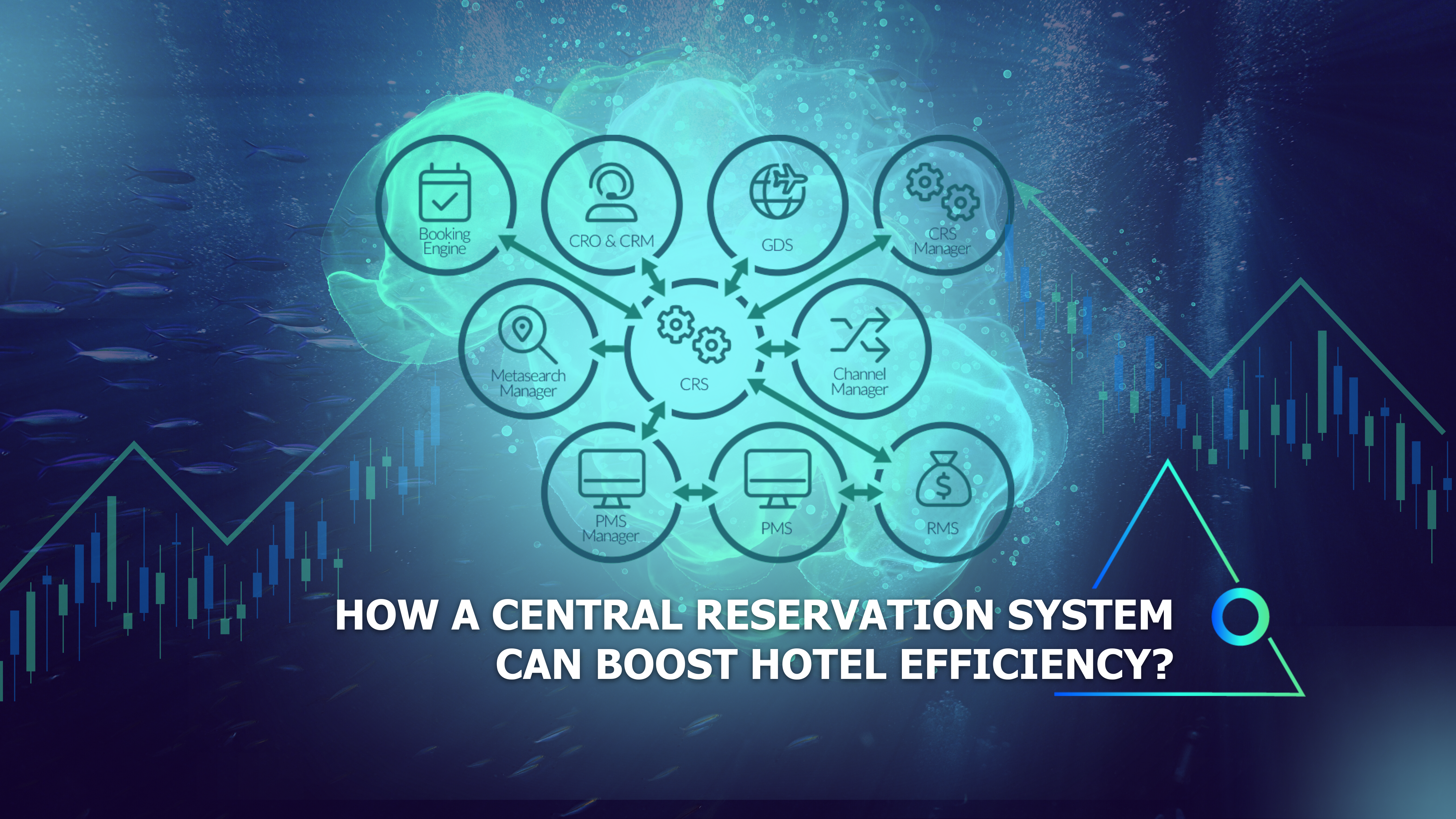
Boost Hotel Efficiency with a Central Reservation System (CRS)

Disruptive Trends & the Future of Hospitality

The Impact of Hotel CRM on Customer Loyalty

Choosing a Revenue Management System for Your Hotel

7 Ways Hospitality Technology Enhances Hotel Operations & Profitability