4
No. of Vendors
4
No. of Products
2
Verified Products
Products (4)

Food carbon footprint calculator
by Klimato Vendor verified
Wayaj - Carbon Footprint Calculating Engine
by Totality Platform LLC Partially verified
Eaternity
by Eaternity Unverified
Foodsteps
by FoodstepsUnverifiedCarbon Footprint Management for Hotels
Hospitality is a carbon-intensive industry. Energy consumption across guest rooms, HVAC systems, kitchens, pools, and event spaces combines with supply chain emissions, guest travel, and waste to create a carbon footprint that operators are under increasing pressure from investors, guests, corporate clients, and regulators to measure accurately and reduce systematically.
Carbon Footprint Management platforms give hotels the tools to measure, track, and report their greenhouse gas emissions across all operational scopes. Modern solutions have evolved from basic energy calculators into connected emissions intelligence platforms that integrate with energy management systems, waste management solutions, water conservation solutions, and ESG reporting frameworks to create a comprehensive carbon performance environment.
What is Carbon Footprint Management for hotels?
Carbon
Footprint Management refers to the technology platforms and methodologies that
enable hotels to measure, track, and report their greenhouse gas emissions
across all operational activities. This covers Scope 1 emissions from direct
fuel combustion, Scope 2 emissions from purchased energy, and Scope 3 emissions
from supply chain, guest travel, and waste disposal.
Core
functions include:
•
Scope 1, 2, and 3 emissions calculation and tracking
•
Energy, water, and waste data integration for emissions
quantification
•
Carbon intensity benchmarking against industry standards
•
Emissions reduction target setting and progress tracking
•
Integration with ESG reporting frameworks including GRI, TCFD,
and hotel industry standards
Why does Carbon Footprint Management matter for hotels?
The
commercial and regulatory pressure on hotels to demonstrate credible carbon
measurement and reduction is intensifying across every market. Corporate travel
buyers now routinely require supplier emissions data for their own Scope 3
reporting. Institutional investors are applying ESG criteria to hospitality
asset assessments. Sustainability certifications that influence booking
decisions require documented emissions measurement. In 2026, hotels without a
credible carbon measurement program are increasingly at a commercial
disadvantage.
•
Corporate clients require supplier emissions data: business travel
managers need hotel carbon data to meet their own Scope 3 reporting obligations
under frameworks including CSRD and GHG Protocol
•
ESG reporting requirements are expanding: the EU Corporate
Sustainability Reporting Directive and similar regulations are creating
mandatory emissions disclosure obligations for hotel operators above certain
thresholds
•
Sustainability certifications require documented measurement: major hotel
sustainability certifications require verified emissions data that estimates
and spreadsheets cannot reliably produce
•
Carbon reduction requires accurate baseline measurement: hotels cannot
credibly claim emissions reductions without a measurement methodology that
makes progress verifiable
What problems does Carbon Footprint Management help solve?
•
No credible emissions baseline: hotels without
structured carbon measurement cannot verify their current position, set
meaningful reduction targets, or demonstrate progress
•
Manual emissions calculation is inaccurate and time-consuming: spreadsheet-based
carbon calculation across multiple data sources introduces errors and consumes
sustainability team time that connected platforms eliminate
•
Scope 3 emissions are difficult to quantify without
specialist tools: supply chain and guest travel emissions require data
collection methodologies that most hotel teams cannot build manually
•
Inconsistent reporting across properties: hotel groups that
calculate emissions differently across properties cannot produce consolidated
portfolio-level carbon reporting that investors and certifiers require
•
Disconnection between operational data and emissions
reporting:
carbon platforms that do not connect with energy, water, and waste management
systems require manual data entry that reduces accuracy
What capabilities should hotels expect?
•
GHG Protocol-aligned Scope 1, 2, and 3 emissions calculation
•
Automated data integration from energy, water, and waste
management systems
•
Carbon intensity metrics by room, revenue, and guest night for
benchmarking
•
Target setting and scenario modeling for emissions reduction
planning
•
ESG reporting output aligned with GRI, TCFD, and hotel industry
frameworks
How does Carbon Footprint Management fit into the hotel technology ecosystem?
•
ESG reporting platforms: receive carbon data as a primary input
for comprehensive environmental, social, and governance reporting
•
Waste management solutions: provide waste generation and diversion
data that feeds Scope 3 emissions calculations
•
Water conservation solutions: supply water
consumption data used in operational emissions footprint calculations
•
Financial planning and reporting: incorporates carbon
cost data for carbon pricing, regulatory compliance cost forecasting, and
sustainability investment planning
Which hotel types need Carbon Footprint Management most urgently?
•
Hotels serving corporate and business travel markets: where Scope 3
reporting requirements from corporate clients create direct commercial demand
for verified emissions data
•
Hotels within branded groups subject to ESG disclosure: where parent company
sustainability reporting obligations flow down to property-level emissions
measurement
•
Hotels pursuing sustainability certifications: where verified
emissions measurement is a certification requirement
•
Large-scale and resort properties: where energy and
operational intensity creates significant carbon footprints that management
investment can meaningfully reduce
What should hotels evaluate before selecting a platform?
•
GHG Protocol methodology alignment: emissions calculation
must follow recognized methodology to produce data that third parties will
accept for reporting and verification purposes
•
Data integration with operational systems: automated feeds from
energy, water, and waste management systems eliminate manual data entry and
improve accuracy
•
Scope 3 coverage: assess how effectively the platform supports
supply chain, guest travel, and waste emissions quantification
•
ESG reporting framework alignment: output must be
compatible with the specific reporting frameworks the hotel's stakeholders
require
•
Verification and assurance support: some reporting
contexts require third-party verification of emissions data that the platform's
methodology must support
What common mistakes should hotels avoid?
•
Calculating only Scope 1 and 2 emissions: Scope 3 emissions
typically represent the largest share of a hotel's total carbon footprint and
are increasingly required by corporate clients and reporting frameworks
•
Using estimates rather than measured data: carbon claims based
on industry averages rather than actual operational data lack the credibility
that corporate clients, certifiers, and investors require
•
Disconnecting carbon measurement from ESG reporting: emissions data that
cannot flow directly into ESG reporting frameworks creates duplication and
inconsistency
•
No target setting or reduction planning: measuring emissions
without connecting the data to reduction targets and action plans produces
reporting without operational impact
How has Carbon Footprint Management evolved?
Carbon
measurement in hospitality has evolved from voluntary environmental reporting
into a structured data discipline driven by regulatory, investor, and client
requirements. The introduction of mandatory ESG disclosure requirements in
major markets from 2024 onwards accelerated adoption significantly. By 2025,
hotels within groups subject to CSRD reporting obligations had moved from
voluntary carbon tracking to mandatory measurement programs, and hotel industry
carbon reporting standards had matured substantially.
What trends are shaping Carbon Footprint Management?
•
CSRD and mandatory emissions disclosure: the EU Corporate
Sustainability Reporting Directive is creating mandatory carbon reporting
obligations for hotel operators across Europe and their international supply
chains
•
Science-based targets for hospitality: more hotel groups are
aligning emissions reduction commitments with Science Based Targets initiative
frameworks
•
AI-supported emissions monitoring: machine learning is
improving the accuracy of emissions calculation and anomaly detection across
complex operational data sources
•
Carbon pricing integration: hotels are beginning to incorporate
internal carbon pricing into financial planning and reporting to account for
future regulatory cost exposure
What impact can Carbon Footprint Management deliver?
•
Credible emissions baseline enabling defensible reduction target
setting
•
Corporate client retention through verified Scope 3 supplier
emissions data
•
Sustainability certification eligibility through documented
measurement programs
•
Regulatory compliance readiness for mandatory ESG disclosure
requirements
What should hotels prioritize when comparing providers?
Hotels
evaluating Carbon Footprint Management platforms should look beyond dashboard
aesthetics and assess how effectively a solution produces credible,
methodology-aligned emissions data that meets the requirements of the specific
reporting frameworks their stakeholders require.
•
GHG Protocol and methodology credibility: emissions data must
be calculated using recognized methodology to be accepted by corporate clients,
certifiers, and regulators
•
Operational system integration: automated data feeds
from energy, water, and waste management systems are essential for accurate and
efficient measurement
•
ESG reporting framework alignment: output compatibility
with GRI, TCFD, and hotel industry standards determines reporting usability
•
Scope 3 coverage depth: supply chain and guest travel emissions
capability is increasingly required by corporate client and regulatory
reporting obligations
Blogs (5)
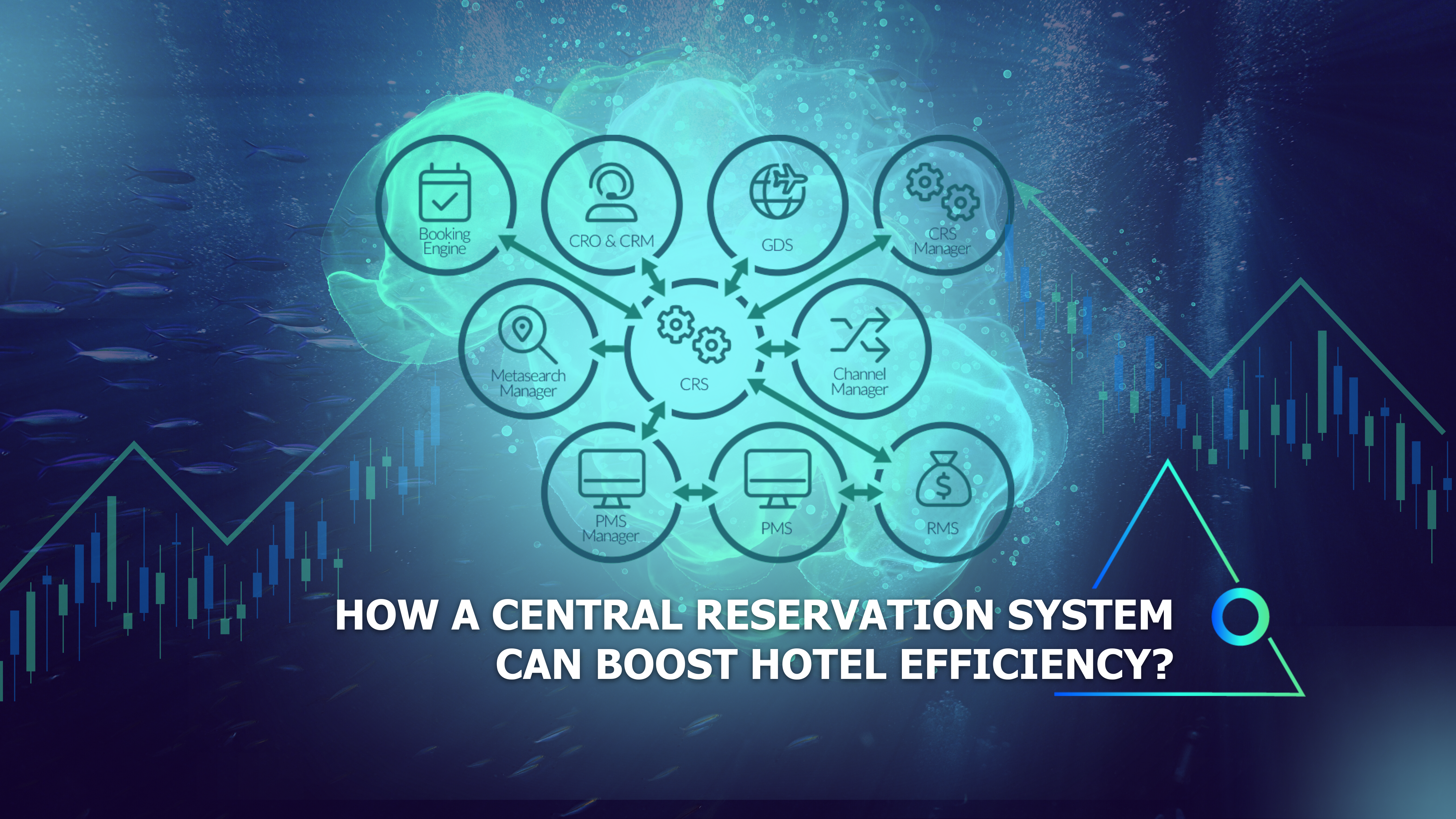
Boost Hotel Efficiency with a Central Reservation System (CRS)

Disruptive Trends & the Future of Hospitality

The Impact of Hotel CRM on Customer Loyalty

Choosing a Revenue Management System for Your Hotel

7 Ways Hospitality Technology Enhances Hotel Operations & Profitability