1
No. of Vendors
1
No. of Products
0
Verified Products
Products (1)

SafetyCulture
by SafetyCulture Unverified
Facility management software for hospitality
Maintenance issues that go unmanaged do not stay invisible for long. They show up in guest complaints, equipment failures, and escalating repair costs that preventive planning could have avoided.
Facility Management Software addresses this by centralizing maintenance operations, asset tracking, and engineering workflows into a single platform. Modern solutions have evolved well beyond basic work order management into broader operational tools that support preventive maintenance scheduling, compliance tracking, mobile engineering workflows, and portfolio-wide property oversight.
What is Facility Management Software for hotels?
Hotel
Facility Management Software is a technology platform that manages planned
preventive maintenance, reactive repair workflows, equipment lifecycle
management, compliance documentation, and contractor management across the
hotel property. It replaces paper-based work orders and verbal maintenance
coordination with digital workflows that create accountability, visibility, and
the audit records that safety compliance and asset management require.
Core
functions include:
•
Planned preventive maintenance scheduling and task management
•
Reactive work order creation, assignment, and completion
tracking
•
Equipment and asset register management with service history
•
Compliance documentation and certification tracking
•
Integration with building operation systems and energy
management systems
Why does Facility Management Software matter for hotels?
Hotel
facilities management carries both commercial and legal dimensions. Equipment
failures that reach guests create service disruptions and compensation costs.
Safety system failures create liability exposure. Unplanned maintenance
spending from reactive-only maintenance consistently costs more than planned
maintenance programs. Facility management software addresses all three by
providing the structure that moves maintenance from reactive to proactive.
•
Preventive maintenance reduces emergency repair costs: planned service
schedules that maintain equipment before failure consistently cost less than
unplanned emergency repairs
•
Guest-facing equipment failures are commercially costly: lifts out of service,
pool closures, and air conditioning failures create the complaints and
compensation costs that timely maintenance prevents
•
Compliance documentation is a legal requirement: fire safety systems,
lift inspections, water hygiene testing, and electrical certification all
require documented records that paper systems cannot reliably maintain
•
Engineering team efficiency requires structured workflow
management:
teams without digital task management spend significant time on coordination
and status communication that software handles automatically
What problems does Facility Management Software help solve?
•
Reactive maintenance culture creating higher costs: planned preventive
maintenance schedules reduce the frequency of equipment failures that trigger
expensive emergency responses
•
No asset history making equipment decisions uninformed: equipment service
records that track maintenance history, repair frequency, and age inform
replacement decisions with evidence rather than guesswork
•
Compliance records held on paper or informally: digital certification
tracking with expiry alerts ensures that fire, lift, water, and electrical
compliance records are current and retrievable for inspection
•
Engineering team coordination through verbal and phone-based
processes:
digital work order management with mobile access gives engineering teams
structured task assignment and completion tracking
•
No visibility into maintenance cost and activity patterns: reporting on work
order volumes, response times, equipment failure rates, and maintenance cost
supports the operational and capital planning that engineering management
requires
What capabilities should hotels expect?
•
Planned preventive maintenance scheduling by equipment type,
service interval, and responsibility
•
Mobile work order management for engineering teams across the
property
•
Equipment and asset register with full service history
•
Compliance and certification tracking with automated expiry
alerts
•
Integration with building operation systems and property
management systems
How does Facility Management Software fit into the hotel technology ecosystem?
•
Building operation systems: fault alerts and equipment performance
data from building management systems trigger maintenance workflows in facility
management platforms
•
Energy management systems: energy consumption anomalies that
indicate equipment inefficiency or failure connect with maintenance workflows
for investigation
•
Property management systems: guest-reported maintenance issues
submitted through the PMS or guest-facing channels create work orders for
engineering team response
•
IoT and smart environmental sensors: sensor data
indicating equipment performance degradation connects with facility management
for predictive maintenance triggering
Which hotel types benefit most?
•
Full-service hotels with complex building systems: where HVAC, lifts,
pools, commercial kitchens, and extensive M&E infrastructure create the
most significant planned maintenance requirements
•
Older hotel properties with aging infrastructure: where equipment
reliability and compliance management create ongoing engineering management
complexity
•
Hotels with significant compliance obligations: where fire safety,
water hygiene, and electrical certification requirements generate documentation
and scheduling obligations that manual systems cannot manage reliably
•
Multi-property hotel groups: where consistent maintenance
standards, portfolio asset management, and centralized compliance reporting
require connected facility management infrastructure
What should hotels evaluate before selecting a platform?
•
Mobile accessibility for engineering teams: maintenance staff
working across the property need mobile interfaces that work reliably without
desktop access
•
Planned maintenance scheduling flexibility: the system must
support the specific service intervals and task types required by the hotel's
equipment portfolio
•
Compliance and certification management depth: fire safety, lift,
water hygiene, and electrical certification tracking must cover the specific
regulatory obligations applicable to the property
•
Building system integration capability: connections with
building operation systems and energy management platforms determine how
proactively the facility management system can identify emerging issues
•
Reporting and cost visibility: maintenance activity,
response time, and cost reporting must support both operational management and
capital planning decisions
What common mistakes should hotels avoid?
•
Implementing facility management software without defining
planned maintenance schedules: the system has no preventive maintenance
value if schedules are not configured and maintained for each equipment
category
•
No engineering team adoption strategy: facility management
platforms that are set up but not actively used by engineering teams revert to
the informal processes the software was deployed to replace
•
Disconnecting from building management systems: facility management
that cannot receive fault alerts from building operation systems misses the
integration that makes proactive maintenance possible
•
Paper compliance records alongside digital systems: parallel paper and
digital compliance records undermine the audit integrity that digital
certification management is deployed to provide
How has Facility Management Software evolved?
Hotel
facility management has evolved from paper work order books and manual
compliance filing into mobile-connected digital platforms. Early computerized
maintenance management systems were desktop-based and required significant
manual data entry. The shift to cloud-based platforms with mobile access from
around 2015 made digital facility management practical for engineering teams
working across hotel properties. By 2025, platforms with building system
integration, IoT sensor connectivity, and predictive maintenance capability had
become available to hotel operations seeking to move from reactive to proactive
engineering management.
What trends are shaping Facility Management Software?
•
Predictive maintenance from IoT sensor data: sensor data
indicating equipment degradation is enabling maintenance to be triggered before
failure rather than after
•
Integration with building operation systems deepening: facility management
and building management are converging into connected operational management
platforms
•
Sustainability reporting integration: facility management
data including energy consumption and equipment efficiency is feeding ESG
reporting platforms
•
AI-powered maintenance planning: machine learning is
improving the accuracy of maintenance interval recommendations based on
equipment performance and failure pattern data
What impact can Facility Management Software deliver?
•
Reduced emergency maintenance costs through planned preventive
maintenance programs
•
Complete compliance documentation reducing regulatory and
liability exposure
•
Better engineering team productivity through structured digital
work order management
•
Informed asset replacement decisions through complete equipment
service history
What should hotels prioritize when comparing providers?
Hotels
evaluating Facility Management Software should prioritize mobile accessibility,
planned maintenance scheduling capability, compliance management depth, and
building system integration as the primary criteria.
•
Mobile accessibility for engineering teams: field staff need
reliable mobile access to work orders and task management across the property
•
Planned maintenance scheduling: preventive
maintenance configuration must match the hotel's actual equipment portfolio and
service requirements
•
Compliance and certification management: documentation
tracking must cover all regulatory obligations applicable to the property
• Building system integration: connectivity with building operation systems enables the proactive maintenance management that disconnected tools cannot provide
Blogs (5)
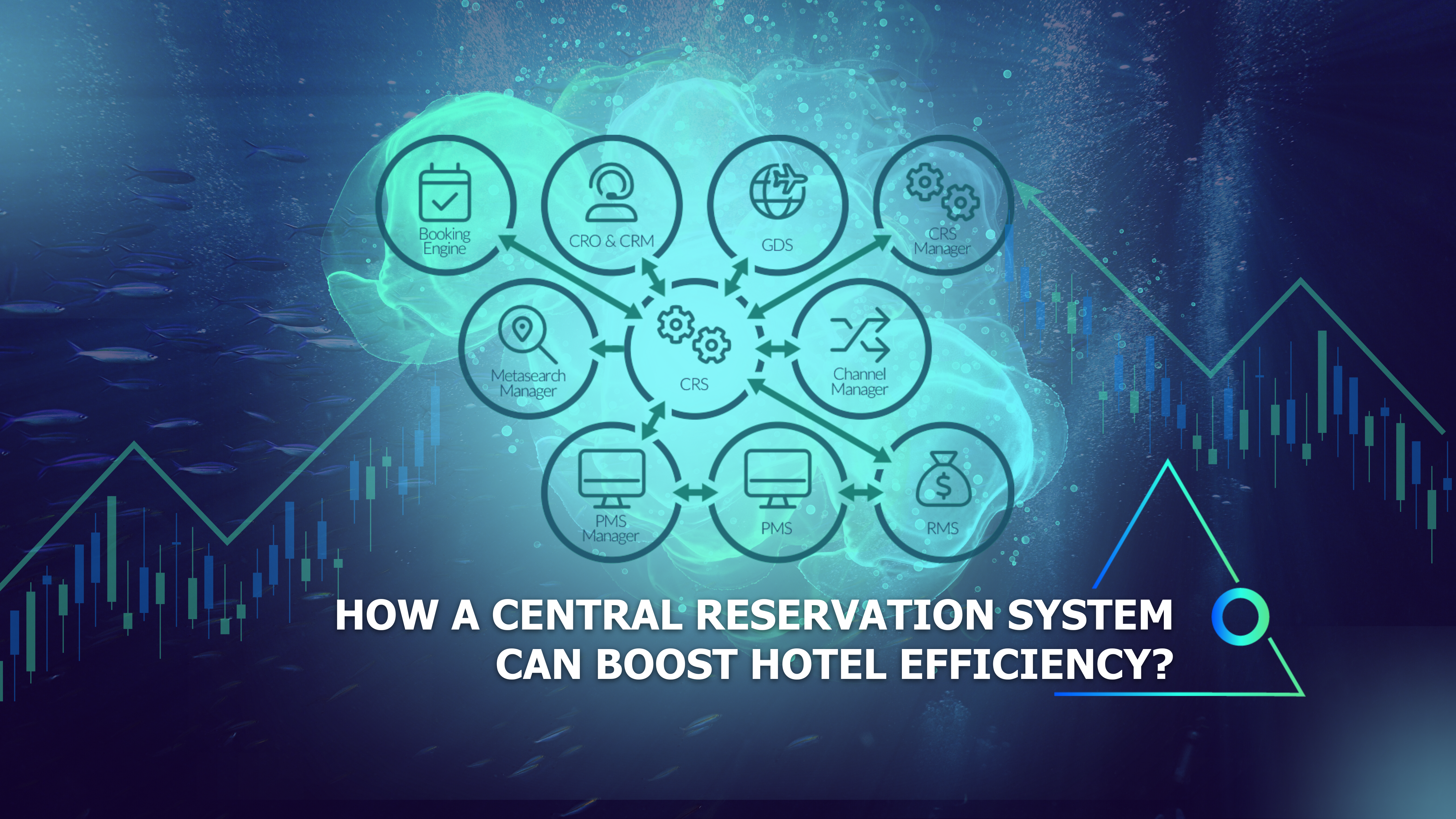
Boost Hotel Efficiency with a Central Reservation System (CRS)

Disruptive Trends & the Future of Hospitality

The Impact of Hotel CRM on Customer Loyalty
Choosing a Revenue Management System for Your Hotel

7 Ways Hospitality Technology Enhances Hotel Operations & Profitability