125
No. of Vendors
126
No. of Products
32
Verified Products
CHECKOUT OUR LATEST ARTICLE

Angie Lacia
Hotel distribution optimization expertProducts (126)
AI Powered
Booking Engine
by Access Hospitality, The Access Group's hospitality division Vendor verified
Blastness - Booking Engine
by BlastnessVendor verified
Cendyn Booking Engine
by CendynVendor verified
D-EDGE - Booking Engine
by D-EDGEVendor verified
Gauvendi Sales Engine
by GauVendiVendor verified-(1).jpg)
Hotelogix Web Booking Engine
by HotelogixVendor verifiedAI Powered

HotelRunner Booking Engine
by HotelRunnerVendor verified
iOL Escapes
by iOLVendor verified
Journey Ecommerce
by JourneyVendor verifiedHotel Booking Engine Software
The hotel website attracts visitors who have already expressed interest in the property. Converting that interest into a confirmed direct booking is the job of the booking engine. A booking engine that is slow, confusing on mobile, disconnected from current rates, or unable to present the hotel's rooms and packages compellingly will lose bookings to OTA platforms that have invested heavily in conversion optimization. The direct booking channel is only as strong as the booking experience it offers.
Hotel Booking Engine Software is the technology that converts website visitors into direct bookings. It displays real-time availability and rates, manages the reservation process, handles payment, and connects the booking to the property management system. Modern hotel booking engines go beyond basic reservation functionality into conversion optimization, upsell integration, loyalty recognition, and the multi-property management that branded hotel groups require.
What is Hotel Booking Engine Software?
Hotel
Booking Engine Software is the reservation technology embedded within a hotel
website that allows guests to search availability, view rates and room
descriptions, select their preferences, and complete a direct booking with
payment. It connects with the property management system for live inventory and
rate data, and posts confirmed reservations directly to the PMS for operational
management.
Core
booking engine functions include:
•
Real-time availability and rate display from property management
system integration
•
Room and package presentation with descriptions, images, and
inclusions
•
Secure payment processing integrated with e-commerce payment
platforms
•
Booking confirmation and pre-arrival communication workflows
•
Integration with property management systems, channel manager,
and customer relationship management (CRM)
Why does Booking Engine Software matter for hotels?
Every
booking made through an OTA rather than directly costs the hotel commission
that a direct booking would not. The economics of direct booking improvement
are straightforward: higher margin on the same room revenue. The booking engine
is the technology that determines whether guests who visit the hotel website
convert to direct bookers or return to the OTA platform where they started
their search.
•
OTA commission costs make direct booking commercially
significant: commission rates on OTA bookings represent a meaningful cost
that direct booking reduces on every reservation that converts through the
hotel website
•
Mobile booking experience determines conversion rate: the majority of hotel
website visits now occur on mobile devices and a booking engine that performs
poorly on small screens loses bookings that good mobile experience would
convert
•
Rate and availability accuracy builds guest confidence: a booking engine
displaying different rates from those advertised or showing incorrect
availability creates the distrust that sends guests to OTA platforms
•
Package and ancillary presentation increases booking value: booking engines that
present well-described packages, upgrades, and inclusions generate higher
average booking values than rate-only displays
What problems does Booking Engine Software help solve?
•
Low direct booking conversion from hotel website traffic: conversion-optimized
booking engine design, mobile performance, and seamless UX improve the
percentage of website visitors who complete a direct reservation
•
Rate inconsistencies between direct and OTA channels: booking engine
connectivity with the channel manager and revenue management system (RMS)
ensures the hotel website always displays current, accurate rates
•
No guest recognition for returning visitors: CRM-connected booking
engines that recognize returning guests and loyalty members create the
personalized experience that motivates direct channel preference
•
Lost upsell opportunity at booking stage: booking engines that
present upgrades, packages, and ancillary options at the point of reservation
generate incremental revenue before the guest even arrives
•
Manual reservation handling from direct bookings: direct PMS
integration eliminates the manual processing of direct bookings that
disconnected reservation systems create
What capabilities should hotels expect?
•
Mobile-first design with fast page load performance for
conversion optimization
•
Real-time rate and availability from property management system
integration
•
Package and ancillary presentation with upsell capability at
booking stage
•
Loyalty member recognition and rate access
•
Integration with property management systems, channel manager,
and customer relationship management (CRM)
How does Booking Engine Software fit into the hotel technology ecosystem?
•
Property management systems: PMS integration provides real-time
inventory and rate data and receives confirmed bookings for operational
management
•
Channel manager: channel manager connectivity ensures booking
engine rates are consistent with OTA and GDS distribution
•
Revenue management system (RMS): RMS rate
recommendations execute through the booking engine for direct channel pricing
alignment with commercial strategy
•
Customer relationship management (CRM): CRM connectivity
enables loyalty member recognition, direct booking rate access, and guest
profile enrichment from direct bookings
Which hotel types benefit most from Booking Engine investment?
•
Independent hotels with direct booking ambitions: where reducing OTA
commission dependency makes booking engine quality the most commercially
important website investment
•
Boutique and lifestyle hotels with strong brand appeal: where guests actively
seek the direct booking experience but abandon due to poor booking engine
performance
•
Hotels with loyalty programs: where direct channel
booking engine integration with loyalty recognition creates the recognition and
rate advantage that motivates direct booking
•
Multi-property hotel groups: where consistent brand presentation,
centralized rate management, and cross-property booking capability require
group-level booking engine infrastructure
What should hotels evaluate before selecting a Booking Engine?
•
Mobile conversion performance: test the booking
experience on mobile devices specifically as this is where most direct booking
abandonment occurs
•
PMS and channel manager integration quality: rate accuracy and
booking record delivery depend on reliable real-time connectivity with both
systems
•
Revenue management system (RMS) connectivity: direct channel
pricing must execute commercial strategy consistently with OTA distribution
•
Package and upsell presentation capability: the booking engine
must present the hotel's full commercial offer beyond base room rates
•
Loyalty and CRM integration: returning guest recognition and
loyalty rate access require CRM connectivity
What common mistakes should hotels avoid?
•
Treating the booking engine as a commodity: conversion rate
differences between booking engines translate directly into revenue differences
that make quality selection commercially significant
•
Poor mobile experience: a booking engine that works well on desktop
but poorly on mobile loses the majority of direct booking opportunities in most
hotel markets
•
No rate parity between direct and OTA channels: guests who check
rates on OTAs before booking direct will abandon if the booking engine does not
show competitive rates
•
No package or ancillary presentation: rate-only booking
engines miss the opportunity to increase booking value and present the hotel's
full product offering
How has Hotel Booking Engine Software evolved?
Hotel
booking engines have evolved from basic online reservation forms into
sophisticated conversion platforms. Early booking engines focused on
availability display and payment processing. The shift to mobile-first design
from around 2013 transformed conversion requirements significantly. The
development of package presentation, loyalty integration, and upsell capability
from around 2017 expanded booking engine functionality beyond reservation into
commercial management. By 2025, AI-powered personalization, dynamic package
pricing, and real-time conversion optimization had become distinguishing
capabilities in leading hotel booking engine platforms.
What trends are shaping Hotel Booking Engine Software?
•
AI-powered personalization within the booking journey: booking engines are
beginning to personalize room recommendations, package offers, and upgrade
suggestions based on booking characteristics and guest history
•
Metasearch direct booking integration: booking engines are
connecting with Google Hotel Ads and metasearch platforms to capture direct
bookings from price comparison environments
•
Attribute-based selling replacing room type presentation: granular room
attribute selection within the booking engine is enabling guests to build their
preferred room configuration
•
Conversion rate optimization through A/B testing: booking engine
platforms are incorporating structured testing capability for design and
content optimization
What impact can a strong Booking Engine deliver?
•
Higher direct booking conversion from hotel website traffic
•
Reduced OTA commission cost on reservations shifted to the
direct channel
•
Increased booking value through integrated package and ancillary
presentation
•
Better guest data capture from direct bookings enriching CRM and
loyalty programs
What should hotels prioritize when comparing providers?
Hotels
evaluating Hotel Booking Engine Software should prioritize mobile conversion
performance, PMS and channel manager integration quality, revenue management
system (RMS) connectivity, and package presentation capability.
•
Mobile conversion performance: most direct booking
abandonment occurs on mobile and the experience must be optimized for small
screen completion
•
PMS and channel manager integration: rate accuracy and
booking record delivery are the foundational technical requirements
•
Revenue management system (RMS) connectivity: direct channel
pricing must align with commercial strategy execution
•
Package and upsell presentation: the booking engine
must present the hotel's complete commercial offer for maximum booking value
News (5)

What ChatGPT’s decision to move away from in-platform transactions means for hotels

AI is rewiring how people choose hotels
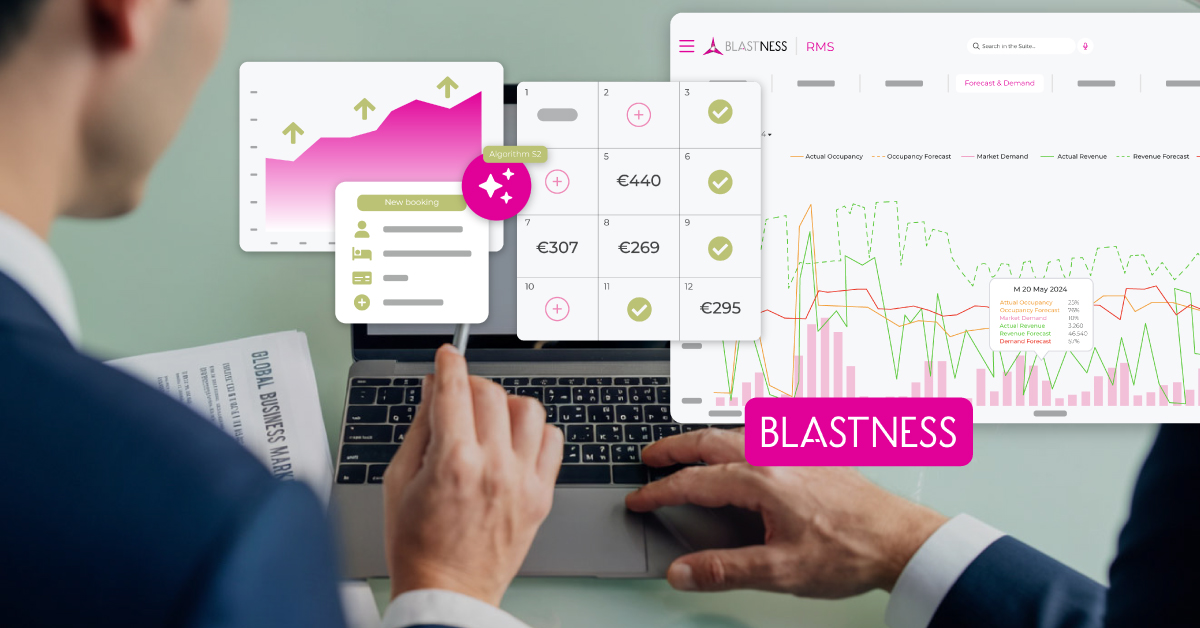
How to choose the right RMS for your property
How to choose the right RMS for your property

How hotels can navigate sudden shifts in global travel demand
Blogs (5)
Boost Hotel Efficiency with a Central Reservation System (CRS)

Disruptive Trends & the Future of Hospitality

The Impact of Hotel CRM on Customer Loyalty
Choosing a Revenue Management System for Your Hotel

7 Ways Hospitality Technology Enhances Hotel Operations & Profitability