5
No. of Vendors
5
No. of Products
0
Verified Products

Carlos Abou-Diwan
Technology systems design & implementationProducts (5)

Alertify
by Alertify Unverified
AnaOHIP
by AnacoveUnverified
Freshair Sensor
by FreshAir SensorUnverified
smartbloqs
by smartbloqs GmbHUnverified
zEMS Guest Presence System
by ZENROSUnverifiedIoT and Smart Environmental Sensors for Hotels
Hotels consume significant energy, generate operational data continuously, and manage physical environments across hundreds of rooms and dozens of operational areas. Yet most properties still rely on manual monitoring, scheduled inspections, and reactive responses to conditions that connected sensor technology could surface automatically and in real time.
IoT and Smart Environmental Sensors give hotels continuous, automated visibility into temperature, humidity, air quality, occupancy, energy consumption, and equipment performance across the entire property. Modern platforms have evolved from basic monitoring tools into connected operational intelligence environments that integrate with guest room management systems (GRMS), facility management software, energy management systems, and building automation infrastructure.
What are IoT and Smart Environmental Sensors for hotels?
IoT
and Smart Environmental Sensors are networked devices that monitor physical
conditions across hotel environments and transmit data continuously to
management platforms for analysis, alerting, and operational response. They
replace manual inspections and periodic checks with automated, real-time
visibility into the conditions that affect guest comfort, energy efficiency,
equipment performance, and regulatory compliance.
Core
monitoring capabilities include:
•
Room and common area temperature and humidity monitoring
•
Air quality and CO2 level detection
•
Occupancy sensing for energy optimization and operational
triggers
•
Equipment performance and fault detection monitoring
•
Water leak and flood detection
Why do IoT and Smart Environmental Sensors matter for hotels?
Most
hotel operational issues become visible only after they have already affected
guests or created damage. A room that has been too cold for three hours, an
HVAC unit running inefficiently for days, or a water leak developing in a plant
room are all conditions that manual monitoring processes consistently miss
until the consequences are visible. Sensor networks surface these conditions
before they escalate.
•
Proactive maintenance prevents guest-facing failures: detecting equipment
anomalies and environmental issues before guests encounter them is the most
commercially valuable capability sensor networks provide
•
Energy optimization requires real-time consumption data: occupancy-based
environmental control depends on sensor data that manual processes cannot
provide continuously
•
Regulatory compliance increasingly requires documented
monitoring:
food safety, air quality, and water temperature regulations in many markets
require documented monitoring records that sensor platforms generate
automatically
•
Multi-property operators need centralized environmental
visibility:
managing conditions across a portfolio of properties without connected sensor
infrastructure creates operational blind spots
What problems do IoT and Smart Environmental Sensors help solve?
•
Reactive maintenance based on guest complaints: sensor-triggered
alerts surface issues before guests encounter them, shifting maintenance from
reactive to proactive
•
Energy waste from unoccupied rooms running at full capacity: occupancy-based
environmental control reduces energy consumption in unoccupied areas without
manual intervention
•
Undetected equipment degradation: continuous
performance monitoring identifies equipment operating outside normal parameters
before failures occur
•
Manual inspection processes that miss conditions between
visits:
continuous monitoring eliminates the gaps between scheduled inspections where
issues can develop undetected
•
Compliance documentation gaps: automated monitoring
logs create auditable records for temperature, air quality, and safety
compliance requirements
What capabilities should hotels expect?
•
Multi-sensor networks covering guest rooms, plant rooms,
kitchens, and common areas
•
Real-time dashboards with property-wide environmental visibility
•
Automated alerting for anomalies, threshold breaches, and
equipment faults
•
Historical data logging for compliance documentation and trend
analysis
•
Integration with guest room management systems (GRMS), facility
management software, and energy management systems
How do IoT and Smart Environmental Sensors fit into the hotel technology ecosystem?
•
Guest room management systems (GRMS): use occupancy and
environmental sensor data to automate room temperature, lighting, and climate
control
•
Facility management software: receives equipment
fault alerts and environmental anomaly notifications as work order triggers
•
Energy management systems: use sensor data to optimize energy
consumption across HVAC, lighting, and building systems
•
ESG reporting platforms: incorporate environmental monitoring
data for energy, air quality, and operational performance reporting
Which hotel types benefit most?
•
Large full-service hotels: benefit from sensor networks that
provide continuous visibility across high room counts and diverse operational
areas
•
Resorts with complex infrastructure: pools, spas,
kitchens, and extensive facilities create monitoring requirements that manual
inspection cannot sustain reliably
•
Hotels with active sustainability programs: sensor data provides
the consumption and performance metrics that ESG reporting and certification
programs require
•
Multi-property hotel groups: benefit from centralized environmental
monitoring dashboards across the portfolio
What should hotels evaluate before selecting a platform?
•
Sensor coverage and device range: the platform must
support the specific monitoring requirements across all relevant hotel
environments
•
Alert reliability and response workflow: sensors only prevent
issues if alerts reach the right teams with actionable information
•
Integration with GRMS and facility management software: connected workflows
between sensor data and operational systems determine whether monitoring
translates into action
•
Data retention and compliance reporting: historical monitoring
data must be stored and exportable in formats that meet regulatory requirements
•
Network infrastructure requirements: assess the
connectivity infrastructure the sensor network requires and any Wi-Fi or
building network dependencies
What common mistakes should hotels avoid?
•
Deploying sensors without defined response protocols: monitoring without a
process for responding to alerts delivers data without operational impact
•
Insufficient sensor density in critical areas: gaps in coverage
create the same blind spots as manual inspection processes
•
No integration with operational management systems: sensor alerts that
reach a dashboard but do not trigger facility management software work orders
require manual follow-up that negates much of the automation benefit
•
Treating IoT as a set-and-forget deployment: sensor networks
require ongoing calibration, firmware management, and coverage review as the
property evolves
How have IoT and Smart Environmental Sensors evolved?
IoT
sensor technology in hospitality has shifted from isolated monitoring devices
into connected environmental intelligence networks. The cost of wireless sensor
hardware fell dramatically from around 2018 onwards, making large-scale
property coverage economically viable. Integration with GRMS, energy
management, and facility management platforms transformed sensor data from
monitoring information into operational automation triggers. By 2025,
AI-supported anomaly detection and predictive maintenance capabilities had
become available within leading hotel IoT platforms.
What trends are shaping IoT and Smart Environmental Sensors?
•
Predictive maintenance through AI analysis: machine learning
models are identifying equipment degradation patterns that indicate failures
before they occur
•
Integration with smart building platforms: IoT sensors are
becoming part of broader building management environments connecting energy,
security, and environmental systems
•
Air quality monitoring as a guest experience factor: post-pandemic
awareness of indoor air quality has elevated air quality monitoring from a
compliance requirement to a guest experience consideration
•
ESG reporting integration: environmental sensor data is feeding
more directly into carbon footprint management and ESG reporting platforms
What impact can IoT and Smart Environmental Sensors deliver?
•
Earlier detection of equipment issues and environmental
anomalies before they affect guests
•
Measurable energy savings through occupancy-based environmental
control
•
Automated compliance documentation for temperature, air quality,
and safety monitoring
•
Reduced maintenance costs through predictive rather than
reactive intervention
What should hotels prioritize when comparing providers?
Hotels
evaluating IoT and Smart Environmental Sensor platforms should assess how
effectively a solution provides actionable operational intelligence rather than
simply generating monitoring data.
•
Coverage breadth and sensor accuracy: the platform must
reliably monitor the environments and conditions most relevant to the hotel's
operational priorities
•
Alert quality and operational workflow integration: alerts must reach the
right teams and connect with facility management software workflows
•
GRMS and energy management integration: connected automation
delivers the greatest operational and commercial return on sensor investment
•
Compliance reporting capability: monitoring logs must
meet the documentation requirements of applicable regulations
Blogs (5)
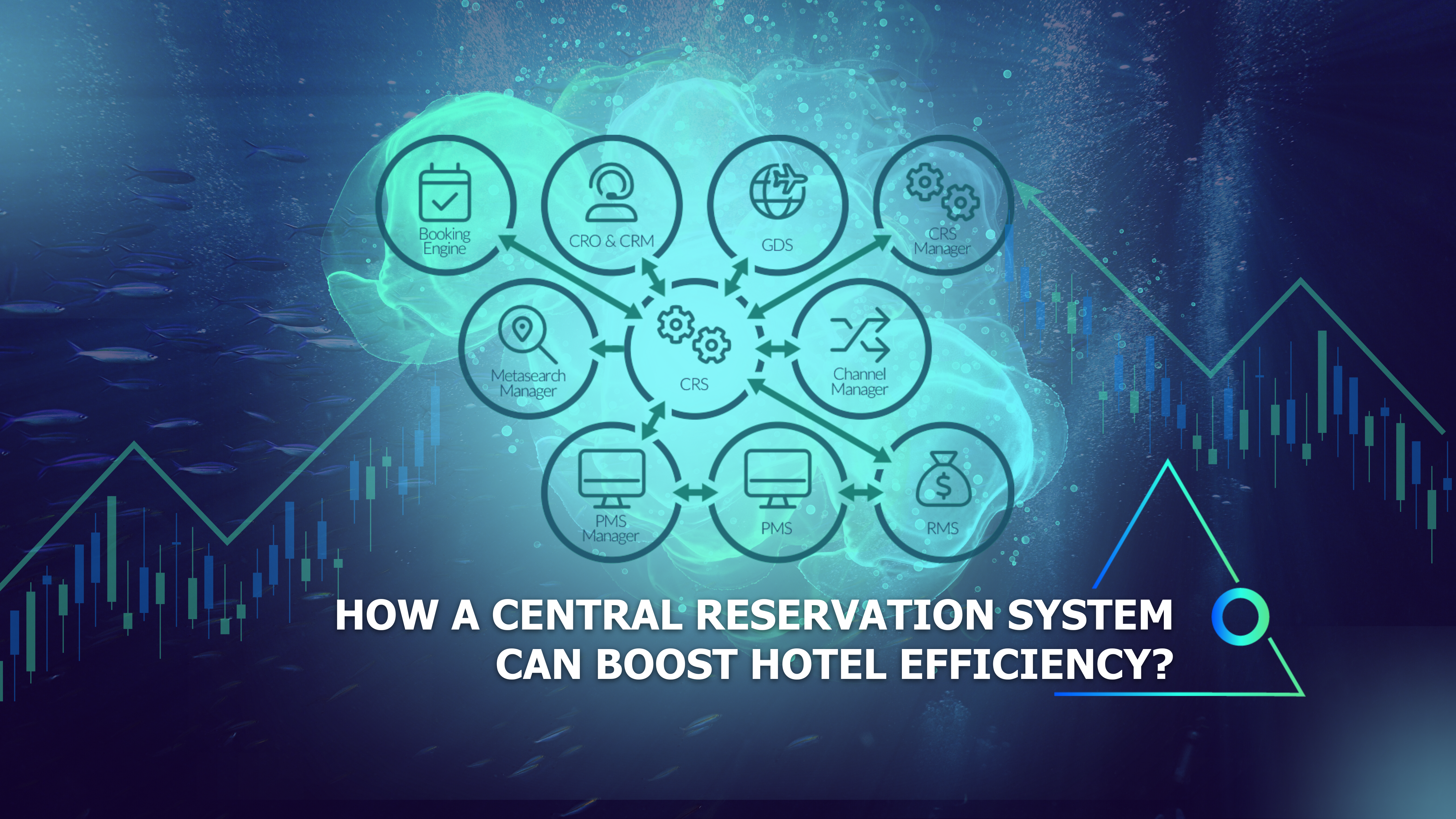
Boost Hotel Efficiency with a Central Reservation System (CRS)

Disruptive Trends & the Future of Hospitality

The Impact of Hotel CRM on Customer Loyalty

Choosing a Revenue Management System for Your Hotel

7 Ways Hospitality Technology Enhances Hotel Operations & Profitability